
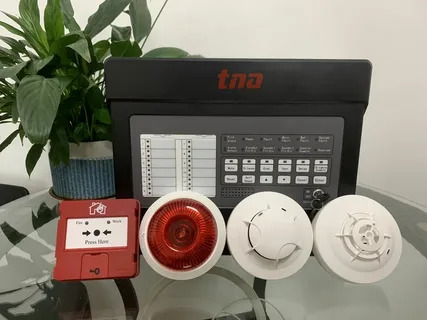

Fire safety is an essential consideration for residential, commercial, and industrial properties. A fire incident can cause serious damage to buildings, equipment, and valuable assets. Installing a suitable fire detection system helps identify potential fire hazards early and alerts occupants so they can respond appropriately. Businesses and property owners researching the fire alarm system price in pakistan should understand the available technologies and features before selecting a solution.
What Is a Fire Alarm System?
A fire alarm system is designed to detect signs of fire, such as smoke or unusual temperature increases, and activate warning signals. These systems generally include detection devices, a central control panel, alarm sounders, and manual call points.
When a detector identifies a potential fire condition, it sends a signal to the control panel. The panel processes the information and activates audible or visual alerts to notify people inside the building.
Early detection plays an important role in supporting timely evacuation and emergency response.
Different Types of Fire Alarm Systems
Understanding different fire alarm technologies can help property owners choose equipment that matches their requirements.
Conventional Fire Alarm Systems: These systems divide a building into different zones. When an alarm activates, the control panel identifies the affected zone, helping personnel locate the general area.
Addressable Fire Alarm Systems: Each device has a unique identification address. This allows the control panel to identify the specific detector or device reporting an alarm.
Wireless Fire Alarm Systems: These systems use wireless communication between devices, reducing the need for extensive cabling.
Smart Fire Alarm Systems: Modern solutions may offer remote monitoring, mobile notifications, and integration with other building management technologies.
Factors That Affect Fire Alarm System Pricing
The overall cost of a fire alarm installation depends on several technical and operational factors.
-
Building Size: Larger properties generally require more detectors and notification devices.
-
System Type: Conventional and addressable systems have different equipment and installation requirements.
-
Number of Devices: Smoke detectors, heat detectors, manual call points, and sounders contribute to the total cost.
-
Brand and Quality: Equipment specifications, reliability, and manufacturer support can influence pricing.
-
Installation Requirements: Wiring, configuration, testing, and professional installation also affect the project budget.
Property owners should compare complete quotations rather than considering equipment prices alone.
Why Professional Installation Matters
Correct installation is important for ensuring that fire detection equipment operates as intended. Detector placement, wiring, control panel configuration, and system testing should be handled by qualified professionals.
Regular inspection and maintenance are also necessary to identify damaged devices, battery problems, and communication faults. Building owners should maintain appropriate testing schedules and follow applicable fire safety requirements.
Choosing the Right Fire Alarm Solution
Before purchasing a system, evaluate the building layout, occupancy, potential fire risks, and applicable safety regulations. Small offices may have different requirements from warehouses, factories, hospitals, and multi-storey commercial buildings.
Consulting an experienced fire safety provider can help determine the appropriate system configuration and installation requirements.
Final Thoughts
A reliable fire alarm system is an important investment in protecting people and property. Understanding available technologies, comparing equipment specifications, and considering professional installation can help property owners make informed decisions. Readers interested in more business, technology, and safety-related information can also explore DigiMoney Blogger for additional informative articles.



Join the conversation