

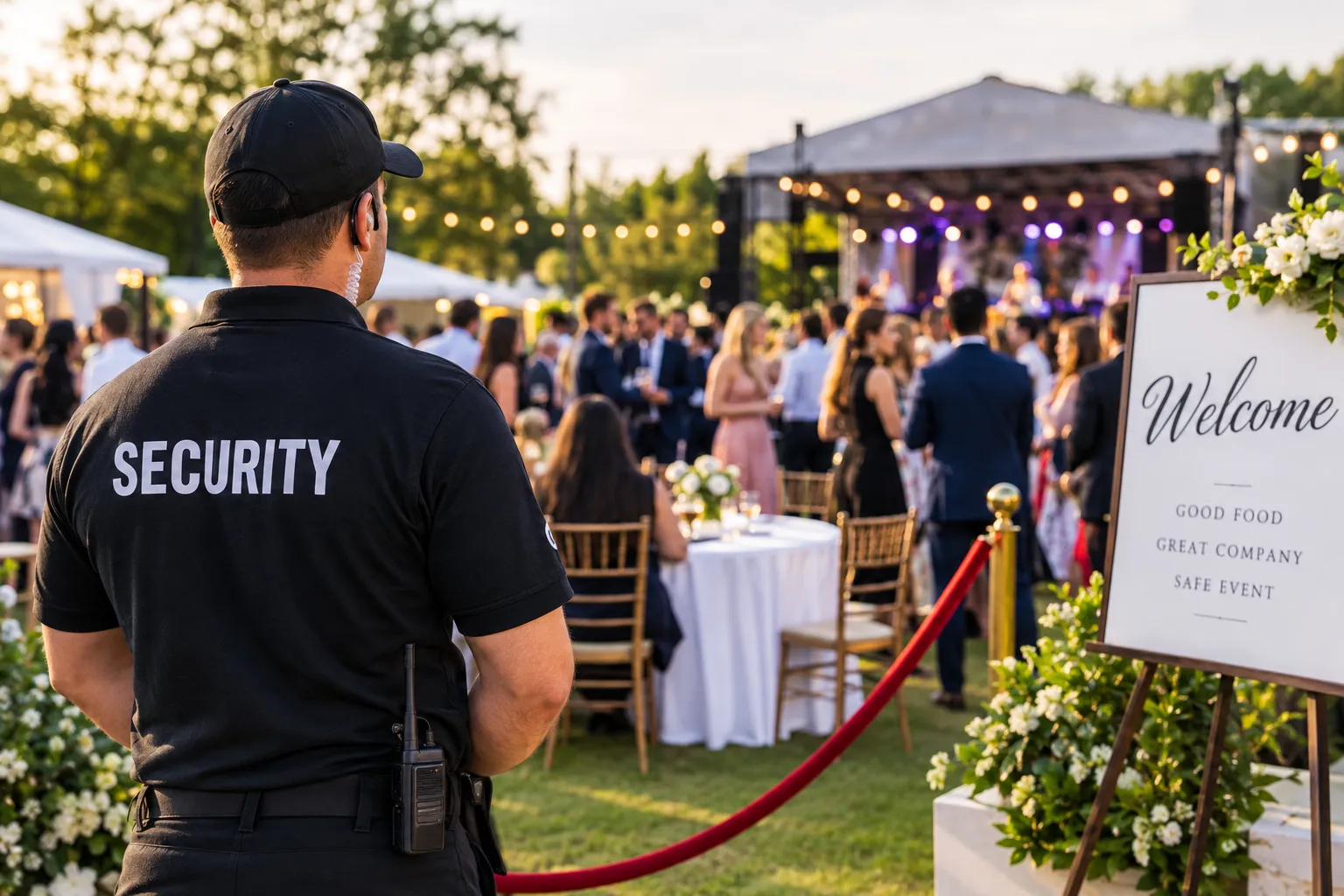

A great party is more than good food and music. It is also about comfort and safety. When guests feel safe, they relax, enjoy themselves, and remember the day fondly. When something goes wrong, even a beautiful event can turn stressful fast. The good news is that most problems can be avoided with simple planning.
This guide walks through practical steps for weddings, birthdays, concerts, and community gatherings of any size.
Begin With Party Safety Planning
Start early. Good party safety planning begins weeks before the date. Sit down and picture the event from start to finish: how guests arrive, where they gather, how they eat, dance, and leave. Ask yourself:
- How many people will come?
- Will there be drinks, fireworks, or open flames?
- Are there stairs, water, or other hazards?
- Is the venue easy to leave in a hurry?
Write the answers down. This short list becomes the base of your plan.
Create a Clear Event Staffing Plan
Many hosts forget to decide who is in charge of what. A simple event staffing plan solves this. It lists each task and the person responsible, such as:
- One person at the entrance
- One person near the bar or food area
- One person watching the parking area
- One person for emergencies and guest questions
Give each person a way to reach the others, such as a radio or a group chat. Brief everyone before guests arrive so they know their role.
Keep Control of Who Comes In
Unwanted guests are a common problem, especially at weddings and private celebrations shared on social media. Good guest list control means checking names at the door, using wristbands or cards, and having a polite plan for people who are not on the list. Staff should stay calm, friendly, and firm.
For ticketed events, careful ticket checking keeps lines moving and prevents fake or shared tickets. Use scanners or printed lists, and have a separate lane for guests who need help.
Special Care for Private Celebrations
At homes, gardens, and rented halls, there may be no built-in safety team. That is why private party protection matters. Hosts can ask trained staff to watch the entrance, help with parking, and keep an eye on the gate. This lets family members enjoy the day instead of acting as guards. It also keeps neighbors happier, because noise and traffic stay under control.
Planning for Concerts and Large Shows
Bigger crowds bring bigger risks. Strong concert safety includes barriers near the stage, clear exits, water points on hot days, and trained staff in the crowd. Staff should know how to spot someone who is feeling faint or uncomfortable and help them move to a calm area. They should also keep the area around the stage clear of items that could cause a fall.
Sound levels also matter. Offering earplugs and quiet zones is a small act that guests appreciate.
Be Ready for Medical Needs
Even a happy event can have a medical moment. A guest may faint, choke, or get hurt on the dance floor. Good first aid readiness means having a clearly marked first aid kit, at least one trained person on site, and the nearest hospital address saved. Make sure staff know how to call for help and where an ambulance can enter.
Have a Plan for Children
Parties with families need extra care. A simple lost child plan makes a stressful moment easier. It should include:
- One meeting point that every staff member knows
- A way to quickly tell all staff to look for a child
- A rule that nobody leaves with a child without checking with a parent
- A calm, kind way to comfort the child until the parent arrives
Tell parents at the start where to go if they cannot find their child.
Help With Parking and Traffic
Parking trouble can ruin the start and end of an event. Assign someone to guide cars, keep fire lanes open, and watch for blocked driveways. At night, add lights and check that the walking routes are clear.
Look After Guests Who Drink
If drinks are served, plan ahead. Offer food and water, keep an eye on guests who may have had too much, and arrange safe rides home. Staff should be trained to speak gently and avoid public embarrassment.
Final Thoughts
Safe parties are not an accident. They are the result of a clear plan, trained helpers, and calm communication. Start early, share the plan with everyone involved, and keep the focus on guest comfort. When the safety work is done well, nobody notices it, and that is exactly the point.
Frequently Asked Questions
1. How early should I start planning?
Four to six weeks is ideal for most events. Large concerts may need several months.
2. Do small birthday parties need a safety plan?
A short plan is still helpful, especially if there are many guests, drinks, or children.
3. How do I handle a guest who is not on the list?
Stay polite, check with the host, and offer a simple choice. Do not argue in front of other guests.
4. What is the most common mistake hosts make?
Not deciding who is responsible for what. A simple staffing plan fixes this.
5. Should I tell guests about the safety plan?
Yes, in a friendly way. A short note about entry rules, parking, and meeting points helps everyone feel at ease.



Join the conversation