
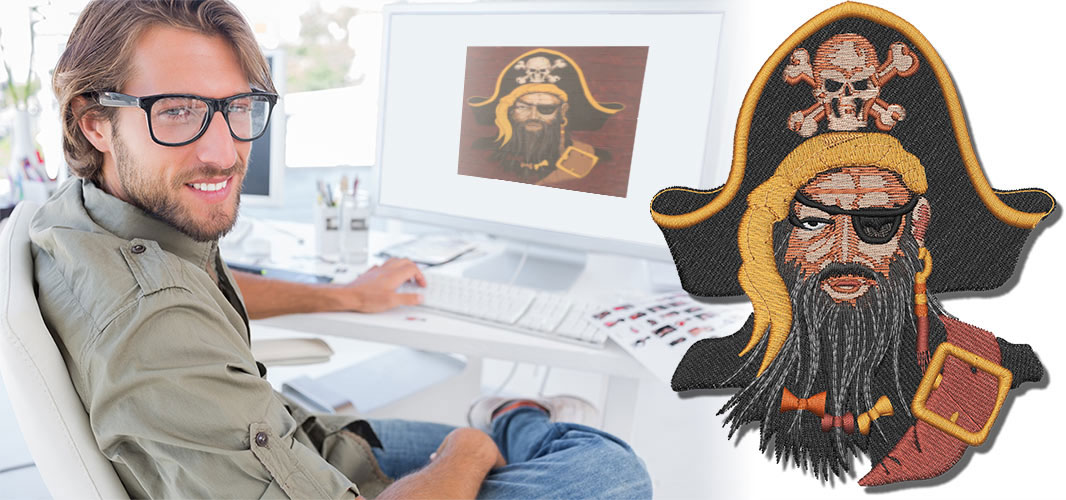

Premium Customized Embroidery Patterns: Where Quality Meets Craftsmanship
There’s a moment every embroiderer knows. You pull a finished piece off the machine, and it just looks right. The stitches are smooth, the letters are clean, and the whole design has a polish that feels expensive.
That doesn’t happen by accident. It happens when you start with premium customized embroidery patterns built by skilled hands, not auto-converters. The difference between a design that looks cheap and one that looks high-end comes down to how it was digitized.
This guide explains what makes a pattern truly premium, how the process works, and what to look for when choosing a digitizing partner.
What Makes Embroidery Patterns Premium?
Premium doesn’t mean complicated. It means carefully crafted.
A design with fifty colors and endless detail can actually look messy when stitched. A simple pattern with clean lines and smart placement can look far more refined.
Here’s what separates premium patterns from ordinary ones:
- Hand digitizing rather than automated conversion
- Clean stitch paths with smooth curves and sharp corners
- Proper density that covers without stiffening fabric
- Accurate color sequencing for efficient stitching
- Fabric-specific settings for different materials
- Stitch-out previews before production begins
Think of it like tailoring. A cheap suit and an expensive one might look similar on the rack. But once you wear them, the difference is obvious.
Why Premium Patterns Are Worth the Investment
You might wonder why you should pay more when cheap options exist. Here’s the honest answer.
Embroidery machines are unforgiving. They stitch exactly what you tell them to, mistake for mistake. A poorly digitized file can ruin fabric, waste thread, and break needles.
Premium digitizing catches those problems before they ever reach your machine. Here’s what that saves you:
- Money – no wasted fabric or ruined blanks
- Time – no re-stitching failed orders
- Reputation – no bad reviews from messy results
- Stress – no guessing whether a file will work
For businesses, this is a no-brainer. One bad batch of uniforms costs more than a year of professional digitizing.
The Digitizing Process: What Premium Actually Looks Like
Let’s pull back the curtain. Here’s what a skilled digitizer does for every premium pattern.
1. Artwork Analysis
Before anything else, the digitizer studies your artwork. They look at detail level, color count, and how the design will translate to thread.
2. Stitch Type Selection
Different elements need different stitches. Satin for borders. Fill for large areas. Run stitches for fine lines. Getting this wrong ruins the whole look.
3. Underlay Planning
Underlay is the hidden foundation beneath the visible stitches. It prevents puckering and keeps the design stable. Skip it, and the fabric ripples.
4. Pull Compensation
Fabric pulls slightly when stitched. Premium digitizers adjust for this so curves don’t distort and shapes stay true.
5. Color Sequencing
The order colors stitch affects efficiency. Smart sequencing means fewer thread changes and faster production.
6. Density Balancing
Too dense, and the fabric gets stiff. Too light, and the background shows through. Premium patterns find the sweet spot.
At Absolute Digitizing, every file is built by hand with these decisions in mind. That’s what separates a pattern that works from one that frustrates.
Where Premium Patterns Make the Biggest Impact
Some projects benefit from premium digitizing more than others. Here’s where the difference really shows.
Corporate Branding
Your logo on a uniform is a walking billboard. If it’s stitched poorly, it damages your brand. Premium digitizing makes it look polished and professional.
High-End Gifts
A monogrammed robe, a custom baby blanket, a memorial piece with handwriting. These items carry meaning, and the stitching should reflect that.
Fashion and Apparel
Small batch clothing brands use embroidery to add character. A distinctive chest logo or sleeve detail can define a whole collection.
Sports and Teams
Jersey numbers, team names, and mascots need clean, readable stitching. Premium digitizing makes that possible.
Home Decor
Throw pillows, towels, and wall hangings become one-of-a-kind when stitched with premium patterns.
Design Tips for Premium Results
Want your embroidery to look high-end? Keep these tips in mind.
- Simplify before you digitize. Fine detail gets lost in thread. Bold shapes read better.
- Choose contrast wisely. Thread should pop against the fabric, not blend in.
- Respect minimum sizes. Text under a quarter inch tall becomes unreadable.
- Limit your color palette. Fewer colors often look cleaner and cost less.
- Think about placement. A design that works on a hat may not work on a jacket back.
- Match thread to fabric. Metallic thread on stretchy knits is a recipe for trouble.
- Always request a stitch-out. Digital previews lie. Real stitches don’t.
Common Mistakes That Ruin Good Designs
Let’s talk about what goes wrong, so you can avoid it.
- Using low-resolution artwork. Blurry input means blurry output.
- Cramming too much detail into a small space. Simplify or enlarge.
- Ignoring fabric type. A design for denim won’t behave the same on silk.
- Skipping the test stitch. Always sew a sample before full production.
- Choosing auto-digitizing to save money. It usually costs more in the long run.
- Forgetting about thread direction. It affects how light hits the design.
How to Get Started With Premium Patterns
Ready to create something exceptional? Here’s the process.
- Gather your artwork. Vector files are ideal. High-resolution images work too.
- Decide on size and placement. This affects how much detail is possible.
- Pick your colors. Match your brand or your project.
- Share your fabric details. Cotton, fleece, and canvas all behave differently.
- Review the preview. Check the stitch simulation before approving.
- Approve and stitch. Once it looks right, you’re ready to produce.
Why Absolute Digitizing Stands Apart
Plenty of services promise quality. Few deliver it consistently.
Absolute Digitizing has worked on everything from simple monograms to complex multi-color logos. Every file is handled by an experienced digitizer who understands how designs behave on real fabric. The goal is always the same: a pattern that stitches beautifully on the first try.
If you’re tired of messy stitch-outs and unreliable files, it’s time to work with a team that takes quality seriously.
Conclusion
Premium customized embroidery patterns aren’t just about looking different. They’re about looking better. They turn ordinary items into something people notice, remember, and want to own.
The secret isn’t complexity. It’s clean artwork, skilled digitizing, and attention to detail. When those three come together, the result speaks for itself.
If you’re ready to create embroidery that actually stands out, Absolute Digitizing is here to help. Your ideas deserve stitches that do them justice.
FAQs
1. What makes an embroidery pattern premium?
Premium patterns are hand-digitized by skilled professionals who account for stitch type, density, underlay, and fabric behavior. The result is a file that stitches cleanly and looks polished on any material.
2. How much do premium customized embroidery patterns cost?
Pricing depends on design complexity, stitch count, and size. Simple text and monograms cost less, while detailed logos with multiple colors cost more. Most services charge a one-time digitizing fee.
3. Can I use my own artwork for premium embroidery?
Yes. You can send vector files, high-resolution images, or even hand-drawn sketches. A skilled digitizer will convert your artwork into a stitch file that works beautifully on fabric.
4. How small can embroidered text be?
As a general rule, keep letters at least 0.25 inches tall. Smaller text can close up or become unreadable, especially on textured fabrics. Your digitizer can advise based on your specific design.
5. Why is professional digitizing better than auto-digitizing?
Auto-digitizing tools trace images without understanding how embroidery works. They often produce jagged edges, gaps, and thread breaks. Professional digitizing accounts for stitch type, density, underlay, and fabric behavior for clean results.
Join the conversation