

Recognizing Early Carpet Damage
Carpet can remain attractive for years when it receives proper care, but heavily used areas can eventually develop visible wear. Seams are particularly vulnerable because separate carpet sections are joined together during installation. When a seam begins lifting, separating, or fraying, addressing the problem early can help prevent the damaged area from becoming larger or more difficult to restore.
Addressing Separated Carpet Seams
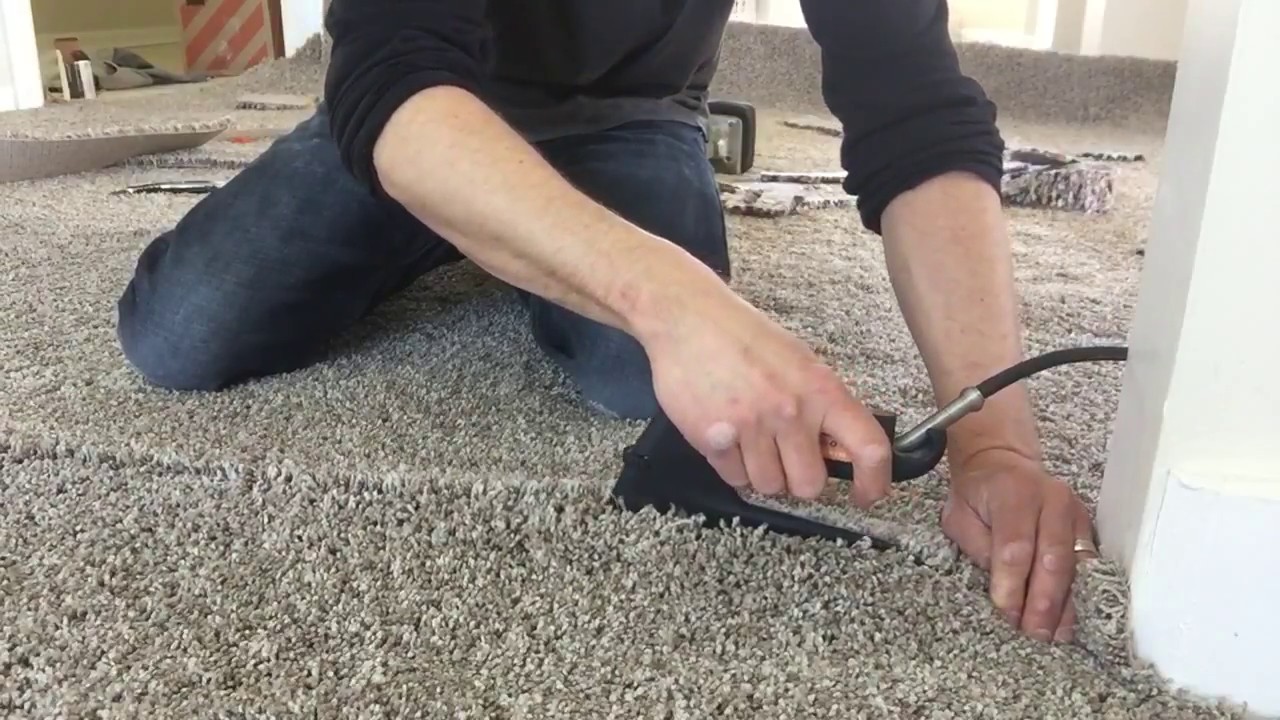
Professional Expert Carpet Seam Repair Services can restore damaged joins without necessarily requiring replacement of the entire carpet. Depending on the condition, technicians may remove damaged adhesive or tape, prepare the carpet edges, and securely reconnect the sections. Proper repair can improve the appearance of the flooring while helping prevent continued separation around the affected area.
Understanding Why Seams Fail
Several factors can contribute to carpet seam problems. Heavy foot traffic, aging adhesive, moisture exposure, shifting carpet, improper installation, or repeated stress around doorways and hallways can eventually weaken a join. Understanding the reason for the failure is useful because simply reconnecting the visible edges may not address conditions that could cause the seam to separate again.
Identifying Visible Warning Signs
A damaged seam may appear as a noticeable line, gap, lifted edge, or frayed section across the carpet. In some cases, the problem becomes more obvious when people walk over the area or when furniture moves across it. Early inspection can help determine whether the issue is limited to the seam or whether surrounding carpet, padding, or installation components also need attention.
Protecting High-Traffic Areas
Hallways, entrances, living areas, offices, and other frequently used spaces can place additional stress on carpet joins. Repeated foot traffic may gradually weaken already compromised seams. Addressing damage before the edges become extensively frayed can help preserve the surrounding material. Strategic repairs can also reduce the chance that a small separation develops into a much larger flooring problem.
Choosing a Professional Repair Provider
A qualified Carpet Solutions provider can evaluate the damaged area and determine the most appropriate repair method. Professional assessment is useful because different carpet types and damage conditions may require different techniques. A specialist can also examine the surrounding area to determine whether stretching, patching, re-securing, or another repair method should be considered alongside seam restoration.
Preparing the Damaged Area
Effective seam repair typically requires careful preparation. Old adhesive, damaged backing, loose fibers, or other debris may need to be addressed before the carpet edges can be rejoined. Proper preparation helps create a cleaner connection and allows the repaired sections to sit correctly. Skipping this stage can affect both the appearance and durability of the completed repair.
Restoring a Cleaner Appearance
A separated seam can become visually distracting, particularly when it runs through an otherwise well-maintained room. Professional repair focuses on reconnecting the carpet sections and creating a more consistent transition. While the final appearance depends on the carpet’s age, condition, color, and original installation, careful workmanship can make the repaired area considerably less noticeable.
Considering Safety Alongside Appearance
Loose or lifted carpet should not be viewed solely as a cosmetic concern. Raised edges and separated sections can interfere with normal foot traffic and may create a tripping concern. Repairing the affected area can help restore a flatter, more secure surface. Addressing these problems promptly is especially important in homes, offices, commercial spaces, and other frequently occupied environments.
Evaluating Moisture-Related Damage
Moisture can contribute to carpet problems by affecting adhesives, backing materials, and surrounding flooring components. If a seam separates after water exposure or intensive cleaning, the underlying conditions should be evaluated before completing a permanent repair. Resolving the source of moisture first can help prevent the newly repaired seam from experiencing the same problem again.
Knowing When Repair Makes Sense
Not every damaged carpet requires complete replacement. If the surrounding material remains in good condition and the problem is concentrated around a seam, professional repair may be a practical option. A technician can assess the extent of the damage and explain whether repairing the existing carpet is reasonable or whether more extensive restoration should be considered.
Maintaining Repaired Carpet
After a seam has been restored, regular care can help preserve the repaired area. Excessive moisture, dragging heavy furniture, and neglecting new signs of separation can place unnecessary stress on the join. Routine vacuuming, appropriate cleaning methods, and prompt attention to developing problems can help maintain the carpet’s appearance and reduce additional wear.
Extending the Life of Existing Flooring
Repairing a damaged seam can be one part of a broader effort to extend the usable life of existing carpet. Rather than replacing an otherwise serviceable floor because of one localized problem, property owners can investigate whether targeted repairs are possible. Professional evaluation provides a clearer understanding of the carpet’s condition and the options available for restoring it.
Keeping Carpet Looking Its Best
Seam damage does not automatically mean an entire carpet has reached the end of its useful life. With appropriate assessment and skilled repair, separated or frayed joins can often be restored while the surrounding flooring remains in place. Addressing problems early, choosing suitable repair techniques, and maintaining the carpet afterward can help preserve both its appearance and functionality.



Join the conversation