

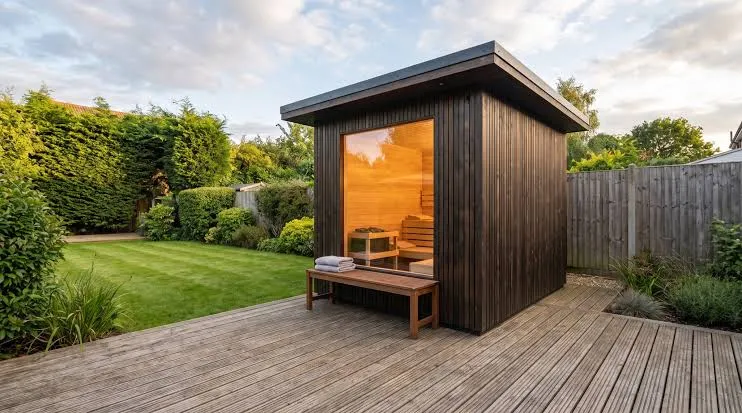

Installing an outdoor sauna is an excellent way to create a relaxing wellness space while making better use of your garden or outdoor area. However, before choosing the sauna design, heating system, or interior finishes, it is important to consider one essential element: the foundation. A properly prepared base supports the structure, helps maintain its alignment, and provides a stable surface for long-term use.
In the UK, outdoor conditions can vary considerably throughout the year. Rainfall, damp ground, seasonal temperature changes, and different soil conditions can all influence how well a sauna foundation performs. Choosing an appropriate base is therefore an important part of planning an outdoor installation. Whether you are considering a traditional garden sauna or an Outdoor Infrared Sauna UK installation, the foundation should be suitable for the sauna’s dimensions, weight, and location.
This guide explores the main foundation options, their advantages, and the factors homeowners should consider when preparing a stable base for an outdoor sauna.
Why Does an Outdoor Sauna Need a Stable Foundation?
An outdoor sauna requires a level and supportive surface to keep its structure properly positioned. Unlike lightweight garden furniture, a sauna contains several components, including wall panels, roofing materials, benches, flooring, doors, and heating equipment. Together, these elements create a considerable load that must be distributed evenly.
An unsuitable foundation may allow sections of the structure to settle unevenly. Over time, this can affect door alignment, floor positioning, wall joints, and the overall appearance of the installation.
A stable foundation also helps separate the sauna from direct ground contact. This is particularly important in the UK, where frequent rainfall can leave garden surfaces damp for extended periods. A suitable base can improve drainage and reduce the likelihood of moisture accumulating beneath the structure.
For homeowners investing in Outdoor Saunas UK, foundation preparation should be considered an essential part of the installation rather than an afterthought.
What Factors Should Be Considered Before Choosing a Foundation?
There is no single foundation solution that suits every outdoor sauna. The most appropriate option depends on several practical considerations.
Ground Conditions and Soil Type
The type of soil in your garden can influence the foundation you need. Firm, well-drained ground may support a relatively straightforward base, whereas softer or clay-heavy soil may require additional preparation.
Clay soil can retain considerable moisture and expand or contract as conditions change. Loose or recently disturbed ground may also settle under the weight of the sauna. Understanding the ground conditions helps determine whether excavation, compaction, or a more substantial foundation is necessary.
Sauna Dimensions and Weight
A compact garden sauna will generally require a different foundation arrangement from a larger cabin-style installation. The weight of the structure, including its occupants and equipment, should be considered when selecting a base.
Homeowners should check the manufacturer’s installation specifications before preparing the foundation. These guidelines help establish the required dimensions, load-bearing capacity, and support points.
Drainage and Rainfall
Water management is particularly important for outdoor installations in the UK. Rainwater should drain away from the sauna rather than collecting around or underneath it.
A foundation that allows appropriate drainage can help protect the supporting structure and surrounding ground. The garden’s natural slope, existing drainage arrangements, and surface materials should all be considered during planning.
Accessibility and Garden Layout
The location of the sauna also influences foundation selection. A base may need to accommodate access paths, nearby landscaping, electrical connections, and sufficient clearance around the structure.
Choosing the location carefully before construction can prevent unnecessary adjustments later.
Concrete Slabs: A Strong Foundation for Outdoor Saunas
Concrete slabs are among the most widely considered foundation options for outdoor structures. They provide a solid, level surface capable of supporting substantial weight when correctly designed and installed.
For larger Outdoor Saunas UK, a properly prepared concrete base can offer excellent structural support. The slab distributes the sauna’s weight across a broad area, reducing the likelihood of uneven pressure on individual sections of the ground.
Another advantage is durability. A correctly constructed concrete foundation can provide a long-lasting installation surface with relatively little routine maintenance.
However, preparation is important. The ground generally needs to be excavated and compacted before the concrete is poured. Appropriate thickness, reinforcement where required, drainage arrangements, and curing time should be determined according to the sauna’s specifications and ground conditions.
The finished surface should be level and suitable for the manufacturer’s base requirements. Where appropriate, a moisture-management detail may also be needed to prevent water becoming trapped beneath the structure.
Concrete is particularly worth considering for homeowners who want a permanent sauna installation rather than a structure they may relocate in the future.
Paving Slabs: A Practical Option for Garden Installations
Paving slabs can provide a suitable foundation for certain outdoor saunas, particularly smaller models installed on firm and properly prepared ground.
They are available in different materials, sizes, and finishes, allowing homeowners to coordinate the sauna base with existing garden landscaping. This makes them an attractive option when appearance is an important consideration.
For a successful installation, the ground beneath the slabs must be properly prepared. This generally involves removing unsuitable topsoil, creating a compacted sub-base, and installing an appropriate bedding layer.
The slabs should sit evenly without rocking or creating gaps that could affect the sauna’s support. Their combined load-bearing capacity must also be suitable for the intended installation.
One advantage of paving is that individual sections can sometimes be replaced if damaged. However, poorly prepared paving may shift or settle over time, particularly in areas with unstable soil or inadequate drainage.
Before choosing this option, check whether the sauna manufacturer permits installation on paving slabs and whether additional support is required beneath the structure.
Concrete Piers: Supporting Saunas Above Ground
Concrete piers offer another foundation option, particularly where a raised or ventilated installation is preferred.
Instead of supporting the entire sauna on one continuous surface, concrete piers provide support at specific structural points. The sauna’s supporting frame rests on these foundations, allowing some clearance between the ground and the underside of the structure.
This arrangement can be useful where ground moisture is a concern or where the garden has a slight slope. It may also help create space for ventilation beneath the sauna, depending on the design.
However, the position and depth of each pier must be carefully planned. All supports need to be appropriately sized and aligned so that the structure receives balanced support.
The number of piers and their spacing should follow the sauna manufacturer’s structural requirements. A professional installer or groundworks specialist can assess whether this arrangement is appropriate for the soil conditions and expected load.
For an Outdoor Sauna Infrared UK installation, concrete piers may be worth considering when the sauna design allows a raised supporting frame.
Compacted Gravel Bases: When Are They Suitable?
A compacted gravel base can be a practical solution for certain smaller outdoor structures. It offers drainage benefits and can be relatively straightforward to prepare when the existing ground conditions are suitable.
Gravel allows water to move through the foundation rather than collecting directly beneath the structure. This can be helpful in gardens where surface water management is an important consideration.
However, simply spreading loose gravel across the garden is not enough to create a reliable sauna foundation. The area needs appropriate excavation, ground preparation, suitable aggregate, and mechanical compaction.
A properly contained and levelled gravel base may work for sauna models specifically designed to sit on this type of foundation. However, it is not automatically suitable for every installation.
Larger or heavier saunas may require a more substantial supporting system. Homeowners should also check whether the sauna’s floor design requires continuous support rather than individual contact points.
Timber Decking Foundations: Combining Functionality and Appearance
Timber decking can create an attractive setting for an outdoor sauna, particularly when homeowners want to integrate the installation into an existing garden relaxation area.
A properly engineered deck can provide a level platform and make the sauna easier to access. It can also create additional space for outdoor seating or a changing area.
However, decking should not be treated as a suitable foundation simply because it appears sturdy. The supporting joists, beams, posts, and footings must be designed to carry the sauna’s full weight.
The timber should be appropriate for outdoor conditions, and the construction should allow adequate ventilation and moisture management. The deck’s structural capacity must account for the sauna itself, heating equipment, occupants, and any additional loads.
For this reason, professional assessment is particularly important when placing a substantial sauna on an elevated timber platform.
How Does the UK Climate Influence Foundation Selection?
The British climate makes moisture management an important part of outdoor sauna planning. Regular rainfall, damp winter conditions, and changing temperatures can affect both the ground and the materials used in a foundation.
A suitable base should therefore address three main requirements: stability, drainage, and durability.
Firstly, the foundation must remain sufficiently stable when the ground becomes wet. Softening soil or poor compaction can contribute to movement beneath the structure.
Secondly, rainwater should be directed away from the sauna. The surrounding ground should not create areas where water regularly collects against the foundation.
Finally, the materials should be suitable for long-term outdoor exposure. Concrete, paving materials, aggregates, and timber components should all be selected according to their intended application.
Homeowners considering Outdoor Saunas UK should also think about the garden’s exposure to wind and the overall positioning of the structure. A sheltered, appropriately prepared location can make ongoing maintenance easier.
Common Foundation Preparation Mistakes to Avoid
Even a high-quality sauna may experience installation problems if its supporting surface is not properly prepared.
One common mistake is placing the sauna directly on soil or grass. Natural ground is rarely sufficiently consistent to provide reliable long-term support, particularly during wet weather.
Another issue is overlooking drainage. A level foundation is important, but the surrounding area should also prevent water from accumulating around the structure.
Insufficient compaction is another concern. A loose sub-base may settle under pressure, potentially affecting the sauna’s alignment.
Homeowners should also avoid assuming that every foundation type is suitable for every sauna model. Manufacturer instructions should always take priority when determining the required base dimensions and support arrangements.
Finally, electrical planning should be completed alongside foundation preparation. Outdoor sauna heating systems may have specific electrical requirements, so suitable cable routes and connections should be planned by a qualified professional.
How to Choose the Right Foundation for Your Outdoor Sauna
Selecting a foundation becomes easier when the installation requirements are considered together.
For larger, heavier saunas on suitable ground, a properly designed concrete slab may offer a reliable solution. Paving slabs can be appropriate for smaller installations where the ground has been adequately prepared. Concrete piers may suit raised structures or locations requiring particular support arrangements.
Compacted gravel can work for certain sauna designs, while engineered timber decking may be suitable when its structural capacity has been properly assessed.
The most important consideration is compatibility. The foundation should match the sauna’s dimensions, weight, supporting frame, and manufacturer specifications.
It is also worth discussing the installation with an experienced professional before purchasing materials. This can help identify potential ground conditions, drainage requirements, and preparation work that may otherwise be overlooked.
Conclusion
Choosing the right foundation is one of the most important steps when installing an outdoor sauna. A properly prepared base supports the structure, helps maintain alignment, and provides a stable surface for regular use.
Concrete slabs, paving slabs, concrete piers, compacted gravel, and engineered timber decking each offer different benefits. The best option depends on the sauna’s weight, garden conditions, drainage requirements, and installation specifications.
For homeowners exploring Outdoor Saunas UK, planning the foundation before installation can make a significant difference to the quality and longevity of the finished structure. By considering ground preparation, moisture management, and appropriate structural support, you can create a more dependable setting for your outdoor wellness space.
Health Mate offers outdoor sauna solutions for homeowners looking to bring the benefits of sauna use into their gardens. Before choosing your installation, explore the available Outdoor Infrared Sauna UK options and consider the foundation requirements for your preferred model.
Frequently Asked Questions
1. What is the best foundation for an outdoor sauna in the UK?
A properly prepared concrete slab is a popular option because it provides a strong, level supporting surface. However, paving slabs, concrete piers, compacted gravel, and engineered decking may also be suitable depending on the sauna’s design and ground conditions.
2. Can I install an outdoor sauna directly on grass?
Direct installation on grass is generally unsuitable because natural ground can become soft, uneven, and waterlogged. A properly prepared foundation helps provide more consistent structural support and separates the sauna from direct ground contact.
3. Are paving slabs suitable for outdoor sauna installations?
Yes, paving slabs can be suitable when installed over a properly prepared and compacted sub-base. They must provide sufficient support for the sauna’s weight and meet the manufacturer’s foundation requirements.
4. Does an outdoor sauna need a concrete base?
Not necessarily. Concrete is one available foundation option, but it is not a universal requirement. Some sauna models can be installed on appropriately prepared paving, gravel, piers, or engineered timber platforms.
5. How deep should an outdoor sauna foundation be?
There is no universal foundation depth. Requirements depend on soil conditions, the sauna’s weight, foundation design, Outdoor Sauna Infrared UK and local ground conditions. A qualified installer or groundworks professional can determine the appropriate depth and preparation.
6. Can an outdoor sauna be installed on a sloping garden?
Yes, depending on the slope and the sauna’s design. The foundation may need additional ground preparation, levelling, retaining arrangements, or engineered supports to create a stable installation surface.
7. Why is drainage important for an outdoor sauna foundation?
Good drainage helps prevent water from collecting beneath or around the sauna. This supports better moisture management and helps protect the foundation and surrounding materials from prolonged exposure to standing water.
8. Can I use a timber deck as an outdoor sauna base?
Yes, provided the deck has been properly engineered to support the sauna’s weight and additional loads. Its supporting frame, footings, ventilation, and moisture-management arrangements should be assessed before installation.
9. Do infrared outdoor saunas require a different foundation?
Not necessarily. An infrared sauna generally has similar basic foundation requirements to other outdoor sauna structures. The correct base depends on the model’s weight, dimensions, floor construction, and manufacturer instructions.
10. Should a professional install an outdoor sauna foundation?
Professional assistance is recommended when ground conditions are uncertain, the installation is large or heavy, or structural work is required. An experienced specialist can assess the site and help ensure the foundation is suitable for the intended sauna.
11. How can I prevent my outdoor sauna foundation from becoming uneven?
Start with proper ground preparation, suitable compaction, and a foundation designed for the sauna’s load. Good drainage and compliance with the manufacturer’s installation instructions can also help reduce the likelihood of uneven settlement.
12. What should I check before installing an outdoor infrared sauna?
Check the manufacturer’s foundation specifications, the ground’s stability, drainage arrangements, available installation space, electrical requirements, and access for maintenance. These considerations help ensure the installation is properly planned.



Join the conversation