

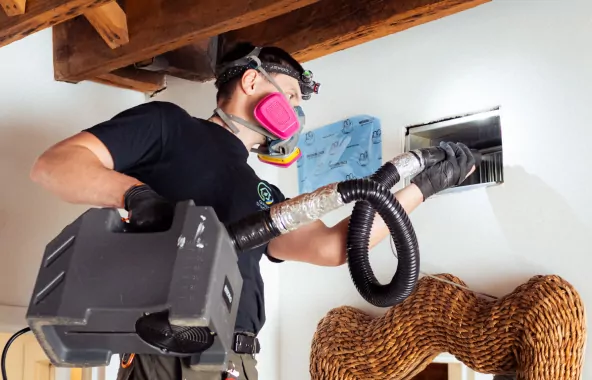

Heating, ventilation, and air conditioning systems are designed to maintain indoor temperatures and circulate air throughout a building. Their performance depends on several connected components, including filters, blowers, coils, dampers, and ductwork. When one part is neglected or damaged, the system may not operate as intended. Understanding the role of Air duct cleaning services can help property owners make informed decisions about ventilation maintenance.
The Connection Between HVAC Equipment and Ductwork
The HVAC unit conditions the air, while the duct network distributes it to different areas of the property. Supply ducts carry heated or cooled air toward rooms. Return ducts move indoor air back to the equipment for filtration and conditioning.
The system also depends on correctly sized ducts, suitable filters, properly adjusted dampers, and unobstructed registers. These components work together to maintain airflow.
If a room receives less air than expected, the cause may involve a closed damper, damaged duct, clogged filter, or mechanical problem. Cleaning should not be assumed to be the solution without checking the system.
How Dust Enters an HVAC System
Indoor particles come from everyday activities and outdoor sources. People, pets, carpets, upholstery, cooking, and open windows can contribute to airborne material.
The HVAC filter captures some of these particles, but filter performance depends on its condition, fit, and compatibility with the equipment. If it is damaged or overdue for replacement, more material may reach other components.
Construction dust can create a separate concern. Renovation activities may release fine debris that enters duct openings if they are not protected.
When HVAC Duct Cleaning May Be Appropriate
Cleaning may be considered when an inspection identifies significant debris inside accessible ductwork, construction material has entered the system, or unwanted material is present due to pests.
The need should be based on evidence rather than a fixed calendar. A relatively clean system may not benefit from unnecessary cleaning, while a system exposed to renovation debris may need attention sooner.
Property owners researching Air duct cleaning Brampton should ask providers to explain the observed condition and why the proposed work is appropriate.
What a Professional Assessment Should Cover
A useful assessment considers more than the visible vent covers. The technician should review accessible supply and return ducts, check the filter, and look for visible damage or obstructions.
The provider should also ask about the property’s history. Recent construction, water leaks, pest activity, and persistent odours may influence the inspection.
A clear explanation helps distinguish between cleaning needs and other HVAC concerns. For example, a disconnected duct requires repair, while a blocked filter may simply need replacement.
The Cleaning Process and Equipment
The cleaning method should suit the system’s design and duct materials. Depending on the arrangement, the process may involve controlled access, tools to loosen debris, and vacuum equipment to collect particles.
Rigid metal, flexible, and insulated duct sections may require different handling. The technician should avoid methods that could damage internal surfaces, insulation, dampers, or connected equipment.
HVAC duct cleaning should have a defined scope. Homeowners should confirm whether supply ducts, return ducts, registers, grilles, and other components are included.
Why Filter Maintenance Remains Important
Cleaning the ductwork does not eliminate the need for regular filter replacement. Filters help capture airborne particles before they reach sensitive HVAC components.
The correct replacement interval depends on the filter type, household conditions, equipment instructions, and operating environment. A filter used in a home with pets or during renovation may need more frequent inspection than one in a lightly occupied property.
Always choose a filter compatible with the HVAC equipment. A filter that does not fit properly may allow air to bypass it.
Airflow Problems That Need a Different Solution
Some homeowners expect cleaning to resolve every airflow concern. However, low airflow, temperature differences, or unusual equipment operation may have several causes.
Duct leaks, incorrect sizing, poor insulation, blocked grilles, blower problems, and control settings can all influence performance. A qualified HVAC professional may need to investigate these issues before any cleaning is recommended.
A Long-Term HVAC Maintenance Approach
An effective maintenance routine includes filter checks, equipment servicing, unobstructed vents, and timely repairs. Property owners should also protect duct openings during renovation work and address moisture problems quickly.
Keeping records of inspections and repairs makes it easier to understand the system’s history and identify recurring concerns.
Conclusion
Ductwork is one part of a larger HVAC system, and its condition should be evaluated alongside filtration, equipment performance, and airflow. Cleaning may be useful when an inspection identifies accumulated debris, but it cannot replace repairs or routine maintenance. For anyone considering HVAC duct cleanplus, an evidence-based assessment and a clearly defined service plan are the best starting points.



Join the conversation