

Protecting Your Property’s Exterior
Masonry contributes significantly to the strength, appearance, and weather resistance of many residential and commercial properties. Brick walls, stone features, chimneys, steps, and retaining structures can gradually develop problems from age, moisture, temperature changes, and normal wear. Identifying these issues early can help property owners address deterioration before more extensive restoration becomes necessary.
Addressing Damage Before It Spreads
Masonry Repair Services in Yonkers NY can help property owners address visible deterioration while protecting surrounding masonry from additional damage. Cracked joints, loose bricks, damaged stone, and surface deterioration should not simply be covered up. A proper assessment can determine what caused the problem and whether localized repairs, repointing, replacement, or more extensive restoration is appropriate.
Recognizing Cracked Mortar Joints
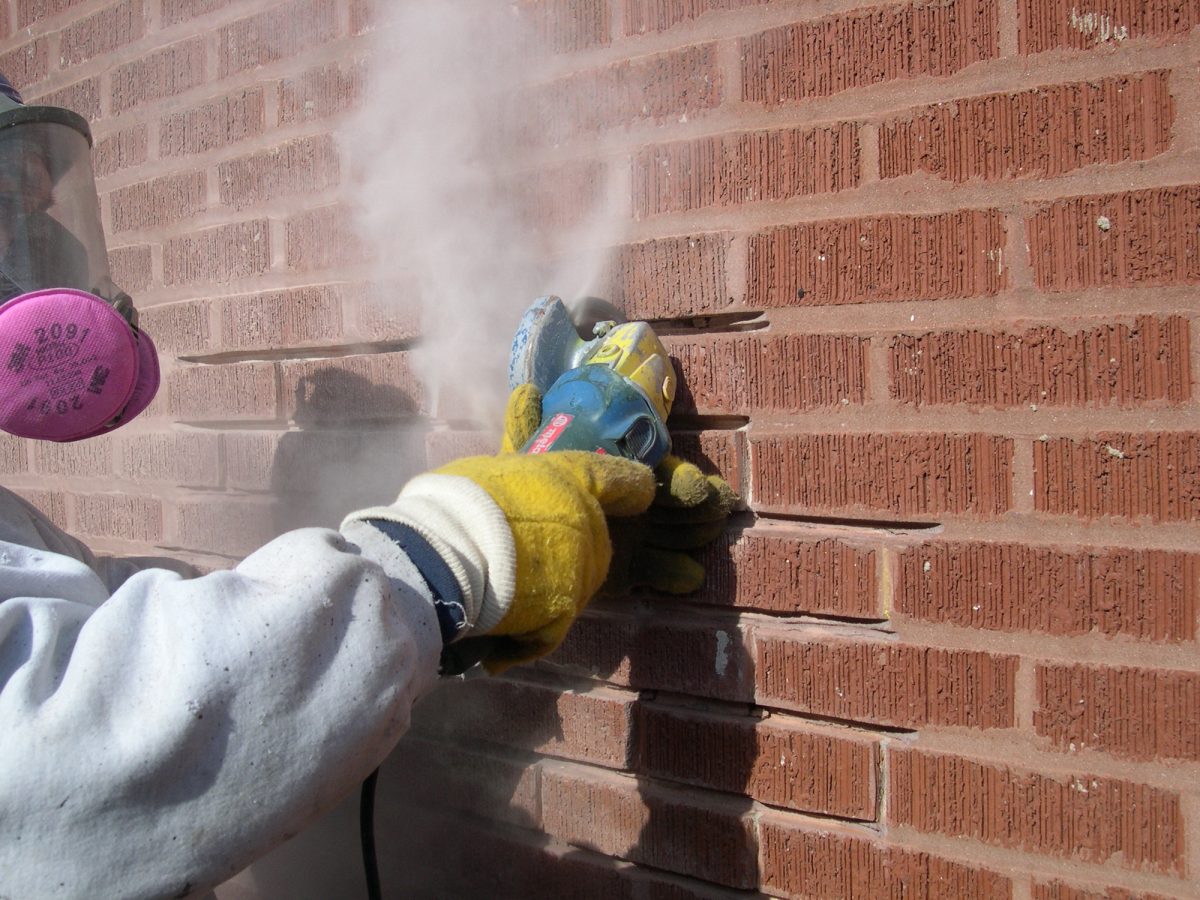
Mortar joints can deteriorate over time and may become cracked, recessed, or powdery. Because mortar helps hold masonry units together and keeps moisture from entering vulnerable areas, damaged joints deserve attention. Repointing can remove deteriorated material and replace it with compatible mortar, helping restore the appearance and weather resistance of an aging masonry surface.
Watching for Loose or Damaged Bricks
Individual bricks may become cracked, chipped, displaced, or loose because of moisture intrusion, freeze-thaw cycles, structural movement, or long-term deterioration. Replacing damaged units can sometimes prevent problems from spreading to neighboring sections. Matching replacement materials to the existing masonry is also important for maintaining a consistent appearance across older walls and architectural features.
Repairing Stone and Concrete Features
Masonry repairs are not limited to traditional brick walls. Properties may also contain stone steps, concrete structures, retaining walls, patios, walkways, and other hardscape elements. Cracks, surface deterioration, settlement, and moisture exposure can affect these features over time. Professional evaluation can help determine whether repair, reinforcement, resurfacing, or partial replacement is needed.
Managing Moisture-Related Problems
Water is one of the major concerns for exterior masonry. Persistent moisture can contribute to staining, mortar deterioration, cracking, efflorescence, and other forms of damage. Effective repairs should therefore consider the source of moisture rather than only addressing the visible symptom. Proper drainage, joint repair, flashing, and compatible materials may all be relevant depending on the structure.
Choosing an Experienced Construction Team
A Trusted Construction Company in Yonkers NY can approach masonry problems as part of the property’s overall condition rather than treating every defect as an isolated issue. An experienced contractor can inspect surrounding surfaces, identify contributing factors, discuss repair options, and coordinate masonry work with other construction or renovation requirements when necessary.
Restoring Older Masonry Structures
Older properties often require a more careful repair approach because their original materials and construction methods may differ from modern systems. Aggressive cleaning methods or incompatible repair materials can potentially create additional problems. Restoration work should consider the existing brick, stone, mortar composition, architectural details, and condition of the surrounding structure before repairs begin.
Improving Exterior Appearance
Damaged masonry can affect more than structural performance. Cracked joints, stained surfaces, missing mortar, and mismatched replacement materials can make an otherwise well-maintained property look neglected. Thoughtful repairs can restore visual consistency while addressing underlying deterioration. This is particularly valuable for entryways, façades, chimneys, retaining walls, patios, and other prominent exterior features.
Considering Structural Concerns
Some masonry problems may indicate movement or a more significant structural concern. Bulging walls, extensive cracking, displaced masonry, or severely deteriorated sections should receive professional attention rather than being treated as simple cosmetic defects. A qualified contractor can determine whether localized repair is appropriate or whether additional structural evaluation and reinforcement should be considered.
Planning Repairs Around the Property
Masonry work can involve more than repairing a single damaged area. Depending on the property, contractors may need to coordinate repairs with roofing, waterproofing, drainage, landscaping, exterior remodeling, or other construction activities. Planning these tasks together can reduce repeated disruption and help ensure that one repair does not create conflicts with another part of the property.
Maintaining Masonry After Repairs
Once damaged masonry has been repaired, ongoing maintenance can help preserve the work. Property owners should periodically look for new cracks, deteriorating joints, water stains, loose materials, and drainage problems. Prompt attention to small changes can reduce the chance of larger deterioration. Routine inspections are especially useful for older masonry exposed to changing seasonal conditions.
Investing in Long-Term Property Protection
Professional masonry repair is ultimately about maintaining a property’s durability and appearance over time. Whether the issue involves deteriorated mortar, damaged brick, cracked stone, or moisture-related deterioration, the right repair strategy should address the underlying condition as well as the visible damage. Careful workmanship and compatible materials can help masonry remain dependable for years to come.


Join the conversation