


How-to guide
Introduction
Airflow is an important part of vape device design because it controls how air moves through the heating chamber and towards the mouthpiece. Different devices use different airflow systems depending on their construction, coil arrangement and intended operation. Some models feature adjustable airflow rings, while others use fixed openings that cannot be changed manually.
Understanding airflow settings also requires looking at different vaping devices, including mouth-to-lung (MTL) tanks, direct-to-lung (DTL) tanks and pod systems. Each design has its own airflow structure, which affects draw resistance, aerosol temperature and the way air travels through the device.
1. What Is Airflow Control in a Vape?
Airflow control is a mechanical feature that regulates the amount of air entering a vape device. Air passes through designated openings, travels around the heating assembly and moves towards the mouthpiece. The size and position of these openings determine how air circulates inside the device.
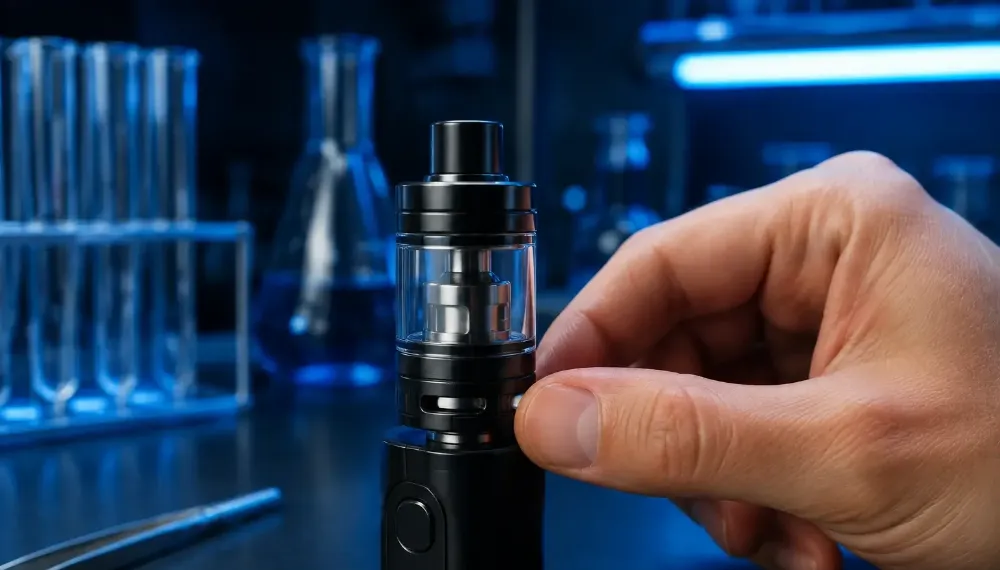
Many modern vape tanks use an adjustable control ring positioned near the base. Rotating this ring changes the size of the air intake openings. Some pod systems use small sliders or built-in airflow channels, while simpler devices have fixed airflow arrangements.
Common airflow control components include:
Adjustable airflow rings: Rotate to change the size of air openings.
Air intake vents: Allow external air to enter the device.
Internal airflow channels: Direct air towards the heating chamber.
Mouthpiece openings: Provide the final pathway for the aerosol.
2. How Restricted Airflow Affects MTL Devices
Mouth-to-lung devices generally feature narrower airflow channels designed to create a more restricted draw. Their construction often includes higher-resistance coils and smaller air intake openings. This arrangement changes how air moves through the heating chamber and creates a tighter inhalation pattern.
MTL tanks and pod systems may feature fixed or adjustable airflow depending on their design. Some models include small adjustment rings, while others use permanently positioned openings. The airflow arrangement, coil resistance and electrical output all contribute to the device’s operating characteristics.
Common features of MTL airflow systems include:
Narrower air intake openings.
More restricted airflow pathways.
Compatibility with selected higher-resistance coils.
Compact tank and pod designs.
Fixed or adjustable airflow mechanisms.
3. How Open Airflow Works in DTL Devices
Direct-to-lung devices generally feature wider airflow channels that allow more air to enter the heating chamber. Many DTL tanks use sub-ohm coils and larger air intake openings. Their construction is designed around a less restricted airflow pathway than traditional MTL devices.
DTL tanks often include adjustable rings that allow changes to the available airflow. Their internal chambers, coil structures and mouthpiece designs also differ from those of smaller MTL systems. However, airflow alone does not determine aerosol production, as power output and coil specifications also influence the results.
Typical DTL airflow characteristics include:
Wider air intake openings.
Less restricted airflow pathways.
Compatibility with selected sub-ohm coils.
Larger internal tank structures.
Adjustable airflow rings on many models.
4. Airflow Settings in Vape Tanks
Vape tanks commonly include an adjustable airflow control ring near their base. This component allows the size of the air intake openings to be changed without replacing the tank. Some designs also use different airflow arrangements, including bottom and top airflow systems.
The tank’s construction determines how air travels towards the coil. Bottom-airflow designs introduce air through openings beneath the heating assembly, while top-airflow systems use openings near the upper section and internal channels to direct air towards the coil.
Important tank airflow features include:
Bottom airflow: Air enters through openings underneath the coil.
Top airflow: Air enters through upper openings and follows internal channels.
Adjustable rings: Allow changes to the air intake size.
Fixed airflow: Uses permanently designed air openings.
5. How Pod Systems Manage Airflow
Pod systems usually have a more compact construction than traditional tank-based devices. Their airflow channels are integrated into the device body or cartridge, depending on the manufacturer’s design. Some models provide adjustable airflow through a small slider, while others have fixed openings.
The position of the pod and its internal structure can also influence the airflow pathway. Unlike larger tank systems, many compact pod devices have fewer external adjustment components. When comparing different device specifications, an online vape shop can provide product descriptions showing whether a particular pod system has adjustable or fixed airflow.
Common pod airflow arrangements include:
Fixed openings within the pod.
Adjustable sliders on selected models.
Integrated airflow channels.
Different airflow designs across device ranges.
6. Airflow Differences in Vape Pens
Vape pens generally use a straightforward design with a battery, tank or pod, coil and mouthpiece. Their airflow systems may include small adjustable openings near the base or fixed channels built into the device. The available adjustment depends on the model.
Some vape pens use MTL-style airflow arrangements, while others feature wider openings designed for different tank and coil configurations. Their compact construction means airflow controls are often simpler than those found on larger box-mod tank systems.
7. How Coil Resistance Influences Airflow
Coil resistance and airflow are closely related because both contribute to the heating and air circulation characteristics of a device. MTL systems commonly use higher-resistance coils with narrower airflow pathways, while many DTL tanks use sub-ohm coils and wider air openings.
However, resistance and airflow are separate specifications. A coil’s resistance describes its opposition to electrical current, whereas airflow describes the movement of air through the device. Manufacturers design compatible coils and airflow systems together, so device specifications should always be checked before replacing components.
8. Fixed vs Adjustable Airflow Systems
Fixed airflow systems have openings that are determined during manufacturing. They provide a specific airflow arrangement without requiring manual adjustments. These designs are common in simpler pod systems and compact devices.
Adjustable airflow systems include mechanical components that allow changes to the opening size. They are commonly found in traditional vape tanks and selected advanced pod kits. The main differences include:
Fixed airflow: Uses permanent air intake openings.
Adjustable airflow: Allows manual changes through a slider or rotating ring.
Integrated airflow: Forms part of the pod or cartridge construction.
External airflow control: Uses a separate adjustment mechanism on the tank.
Conclusion
Airflow settings are an important part of modern vape device construction. MTL devices generally use narrower airflow pathways, while DTL tanks commonly feature wider openings. Pod systems and vape pens have different airflow arrangements depending on their size and internal components.
Understanding airflow rings, air intake openings, coil compatibility and fixed versus adjustable systems provides useful technical knowledge about different device designs. These specifications help explain how manufacturers construct vaping equipment, although vaping is not risk-free and airflow differences do not make any device harmless.



Join the conversation