

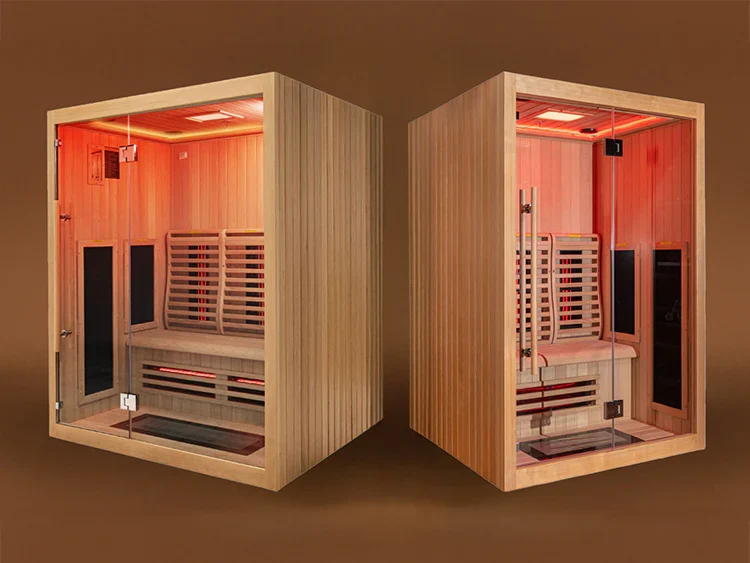

Choosing an infrared sauna for your home involves more than comparing designs, heating systems, sizes, and prices. One important factor that deserves attention is the electromagnetic field (EMF) level produced by the sauna. As infrared saunas use electrical components to generate heat, they naturally produce electromagnetic fields during operation. Understanding these levels can help buyers make a more informed decision when selecting a suitable sauna for regular home use.
For anyone researching an Infrared Sauna London UK, EMF levels are worth considering alongside heating performance, construction quality, energy efficiency, and manufacturer transparency. Although EMF is a normal part of operating electrical equipment, different sauna models may produce different readings depending on their electrical design, heating elements, wiring, and overall construction.
Understanding what EMF means, how it is measured, and what manufacturers should provide can make the buying process considerably easier. This guide explores the main points to consider before purchasing an infrared sauna and explains how to evaluate EMF information without relying on misleading marketing claims.
What Are EMF Levels in an Infrared Sauna?
Electromagnetic fields are areas of energy that exist around electrically charged objects and electrical equipment. They are produced whenever electricity flows through a circuit or powers a device. Household appliances such as televisions, refrigerators, computers, and heating systems can also generate electromagnetic fields.
In an infrared sauna, EMF can originate from several electrical components, including heating panels, power cables, control systems, and internal wiring. These components work together to operate the sauna and maintain the selected temperature.
EMF measurements are generally expressed in milligauss (mG) when measuring magnetic fields. Electric fields may be measured in volts per metre (V/m). These are different measurements, so buyers should understand which type of EMF a manufacturer is discussing.
It is also important to recognise that electromagnetic fields are not the same as infrared heat. Infrared radiation is used to warm the body, whereas EMF refers to electromagnetic fields associated with electrical operation. Both may be present during sauna use, but they describe different physical phenomena.
Why Should You Check EMF Levels Before Buying an Infrared Sauna?
When purchasing an infrared sauna, buyers naturally focus on how effectively it heats, how comfortable it feels, and whether it fits their available space. However, checking EMF information provides another way to assess the product’s electrical design and the manufacturer’s transparency.
Not all infrared saunas are manufactured using identical electrical configurations. The positioning of heating elements, quality of wiring, shielding arrangements, and distance between electrical components and the seating area can influence measured EMF levels.
For this reason, two saunas with similar dimensions and heating capacities may produce different EMF readings.
Checking the manufacturer’s specifications before purchasing can help buyers:
- Understand the electromagnetic field measurements associated with the sauna.
- Compare different models using consistent measurement methods.
- Identify whether the manufacturer provides independent testing information.
- Understand where measurements were taken inside the sauna.
- Evaluate the overall transparency of the product specifications.
Rather than choosing a sauna based on a single marketing statement, it is better to consider EMF readings alongside the complete product specification.
What Is the Difference Between Low-EMF and Ultra-Low-EMF Saunas?
Low-EMF and ultra-low-EMF are commonly used descriptions in the infrared sauna market. Manufacturers may use these terms to distinguish models designed to produce lower electromagnetic field readings during operation.
However, these descriptions do not always refer to universally agreed measurement categories. There is no single internationally accepted threshold that automatically makes every sauna a low-EMF or ultra-low-EMF model.
Some manufacturers use specific numerical measurements to support their claims, while others rely on general descriptions without providing detailed testing information.
When comparing an IR Sauna UK model with another product, look beyond the terminology. Ask for actual measurements and establish whether the readings refer to magnetic fields, electric fields, or both.
A useful comparison should include:
- The numerical EMF reading.
- The measurement unit used.
- The distance between the meter and heating elements.
- The location where measurements were taken.
- Whether the sauna was operating at its normal heating level.
- Whether testing was performed independently.
These details make it easier to understand what a low-EMF claim actually means.
How Are EMF Levels Measured in Infrared Saunas?
EMF levels can be assessed using specialised meters designed to detect electromagnetic fields. However, obtaining meaningful results requires more than simply placing a meter inside the sauna.
Measurements can change depending on the distance from the electrical source, the position of the heating elements, the operating temperature, and the type of meter being used.
For example, a reading taken directly beside a heating panel may differ considerably from a reading taken at the seating position. This is why measurement location should always be included when interpreting manufacturer testing results.
There are two important categories to understand.
Magnetic field measurements: These are commonly expressed in milligauss (mG) or microtesla (µT). They help identify the strength of magnetic fields generated by electrical currents.
Electric field measurements: These are commonly expressed in volts per metre (V/m). They measure the strength of electric fields around electrical components.
A comprehensive assessment should distinguish between these measurements rather than presenting one number as a complete representation of EMF performance.
Independent testing can provide additional confidence, particularly when the report explains the equipment used, measurement locations, operating conditions, and results.
What Features Can Influence EMF Levels in an Infrared Sauna?
The electrical design of an infrared sauna plays an important role in determining its electromagnetic field characteristics. Buyers should understand the main components that may influence the readings.
Heating Panel Design
Heating panels are essential components of an infrared sauna. Their electrical configuration and positioning can affect the electromagnetic fields measured around them.
Different manufacturers use different heating technologies and panel arrangements. Therefore, buyers should not assume that all infrared heating systems produce identical readings.
Electrical Wiring and Connections
The arrangement of internal wiring can influence electromagnetic field measurements. Cable positioning, electrical connections, and the overall circuit design are all relevant considerations.
A well-designed electrical system should follow appropriate manufacturing and safety requirements. Buyers should look for clear product documentation rather than relying solely on advertising descriptions.
Shielding and Electrical Design
Some manufacturers incorporate design measures intended to reduce electromagnetic fields around particular electrical components.
However, the presence of shielding alone does not prove that a sauna produces low EMF levels. Actual measurements under clearly documented operating conditions provide more useful information.
Distance From Electrical Components
EMF readings can vary depending on the distance from their source. Measurements taken near heating elements or electrical connections may differ from readings at the position where someone sits or stands.
For this reason, buyers should ask whether the manufacturer provides measurements from the actual user area rather than only from individual components.
What EMF Information Should a Sauna Manufacturer Provide?
A reliable manufacturer should be able to explain its EMF claims and provide meaningful supporting information. This is particularly important when comparing several products online.
Before deciding which sauna to purchase, consider asking the manufacturer for a testing report that includes:
- Magnetic field measurements in mG or µT.
- Electric field measurements in V/m, where available.
- The exact locations where readings were recorded.
- The distance between the meter and the relevant components.
- Testing conditions, including whether the sauna was operating.
- Information about the measuring equipment.
- Independent laboratory verification, where available.
It is also worth checking whether the information relates to the exact sauna model being considered. A manufacturer’s general statement about its product range may not accurately describe every model.
Clear documentation allows customers to compare specifications more confidently and understand what they are purchasing.
Other Important Factors to Consider When Buying an Infrared Sauna in the UK
Although EMF levels deserve attention, they should not be the only factor influencing your decision. A good infrared sauna should also meet your practical requirements and offer dependable construction.
Sauna Size and Seating Capacity
Consider how many people will regularly use the sauna. A one-person model may be appropriate for a smaller home, while a two-person sauna offers additional space for shared use.
Measure the available installation area before choosing a model. Remember to account for access, ventilation requirements, and any clearance recommended by the manufacturer.
Heating Performance
Different infrared sauna models use different heating technologies. Look at the type of heating elements, their positioning, temperature controls, and the manufacturer’s technical specifications.
Even heat distribution and straightforward temperature adjustment can contribute to a comfortable experience.
Materials and Construction Quality
The materials used in the sauna influence its appearance, durability, and maintenance requirements. Examine the wood, panel construction, door fittings, seating, and overall finish.
A properly constructed sauna should have clear information about its materials and manufacturing standards.
Electrical Requirements
Before purchasing, check the sauna’s voltage, power consumption, plug configuration, and installation requirements. UK buyers should confirm that the selected model is suitable for their electrical supply.
Look for appropriate electrical conformity documentation and follow the manufacturer’s installation instructions. If professional installation is required, arrange this before delivery.
Warranty and Customer Support
A sauna is a long-term home investment, so after-sales support matters. Check the warranty period, what components are covered, and how replacement parts or technical assistance are handled.
A manufacturer that provides detailed product information and accessible customer support can make ownership easier.
How Can You Compare Different Infrared Sauna Models?
Comparing products systematically can prevent you from making a decision based entirely on price or promotional claims.
Start by selecting models that match your available space, preferred capacity, and budget. Then compare their EMF documentation, heating technology, construction materials, electrical specifications, and warranty conditions.
For example, one sauna may advertise ultra-low EMF performance but provide no detailed testing report. Another may provide specific magnetic and electric field readings with information about the testing conditions.
The second product offers more information for evaluating the claim, even if its marketing language is less impressive.
When researching an Infrared Sauna London UK, prioritise manufacturers that explain their specifications clearly and are willing to answer technical questions.
A balanced buying decision should consider the complete product rather than treating one measurement as the only indicator of quality.
Why Manufacturer Transparency Matters When Buying an Infrared Sauna
Transparency is an important part of choosing electrical wellness equipment. Customers should be able to understand how a sauna operates, what materials it uses, and what its technical specifications mean.
Manufacturers that publish detailed information make it easier for buyers to compare products and identify whether their requirements are being met.
For anyone planning to Buy Infrared Sauna UK, it is sensible to review the product description, technical documentation, warranty, and customer support arrangements before making a purchase.
Health Mate provides infrared sauna options for customers exploring home sauna solutions. Reviewing the available models and their specifications can help you identify a product that suits your space, preferences, and expectations.
Conclusion
Understanding EMF levels is an important part of researching an infrared sauna. Although all electrically powered saunas produce electromagnetic fields, their measured levels can vary depending on heating technology, wiring arrangements, electrical components, and product design.
Before choosing a sauna, buyers should look for transparent EMF measurements, clear testing conditions, reliable electrical specifications, and detailed manufacturer documentation. It is equally important to consider heating performance, seating capacity, construction materials, warranty coverage, and installation requirements.
For customers exploring an IR Sauna UK, taking time to compare these factors can make the purchasing process more straightforward. Health Mate offers infrared sauna solutions for people interested in creating a comfortable sauna environment at home. By reviewing product specifications and asking the right questions, you can make a more informed decision when choosing an infrared sauna that suits your home and personal preferences.
Frequently Asked Questions
1. What does EMF mean in an infrared sauna?
EMF stands for electromagnetic fields. These fields are generated by electrical components when electricity flows through a system. In an infrared sauna, possible sources include heating panels, electrical wiring, power connections, and control systems.
2. Do all infrared saunas produce EMF?
Yes. Infrared saunas use electricity to operate their heating elements and control systems, so they naturally generate electromagnetic fields. However, measured levels can differ depending on the electrical design, components, and positioning of the equipment.
3. What is considered a low-EMF infrared sauna?
A low-EMF infrared sauna is generally a model designed to produce lower electromagnetic field measurements during operation. However, there is no single universal definition covering every manufacturer’s low-EMF or ultra-low-EMF marketing claims. Buyers should request actual measurements rather than relying on terminology alone.
4. How are EMF levels measured in infrared saunas?
EMF levels are measured using specialised electromagnetic field meters. Magnetic fields are commonly measured in milligauss (mG) or microtesla (µT), while electric fields are measured in volts per metre (V/m). Measurements should include the location, distance, and operating conditions.
5. Should I ask for an independent EMF testing report?
Yes. An independent testing report can provide useful information about a sauna’s electromagnetic field measurements. Ideally, the report should identify the testing equipment, measurement locations, operating conditions, and the exact model tested.
6. Does sauna size influence EMF levels?
Sauna size alone does not determine EMF levels. The electrical configuration, heating elements, wiring, and positioning of components are more relevant. Two saunas with similar dimensions can produce different electromagnetic field readings.
7. Are low-EMF and ultra-low-EMF saunas the same?
Not necessarily. These terms are often used interchangeably in marketing, but manufacturers may apply different measurement criteria. Always compare the actual numerical readings and testing methods to understand the differences between products.
8. What else should I check when buying an infrared sauna in the UK?
Consider the sauna’s heating technology, materials, dimensions, electrical requirements, energy consumption, warranty, and customer support. You should also check whether the product meets applicable UK electrical and product conformity requirements.
9. Can I measure my infrared sauna’s EMF levels at home?
Yes. You can use a suitable EMF meter to obtain readings, provided the instrument measures the relevant field type and frequency range. Follow the meter’s instructions and take measurements at consistent distances and locations while the sauna is operating.
10. Where can I buy an infrared sauna in the UK?
Health Mate offers infrared sauna options for people looking to introduce sauna facilities into their homes. Visit the Health Mate website to explore available models, compare specifications, and find a suitable option for your requirements



Join the conversation