
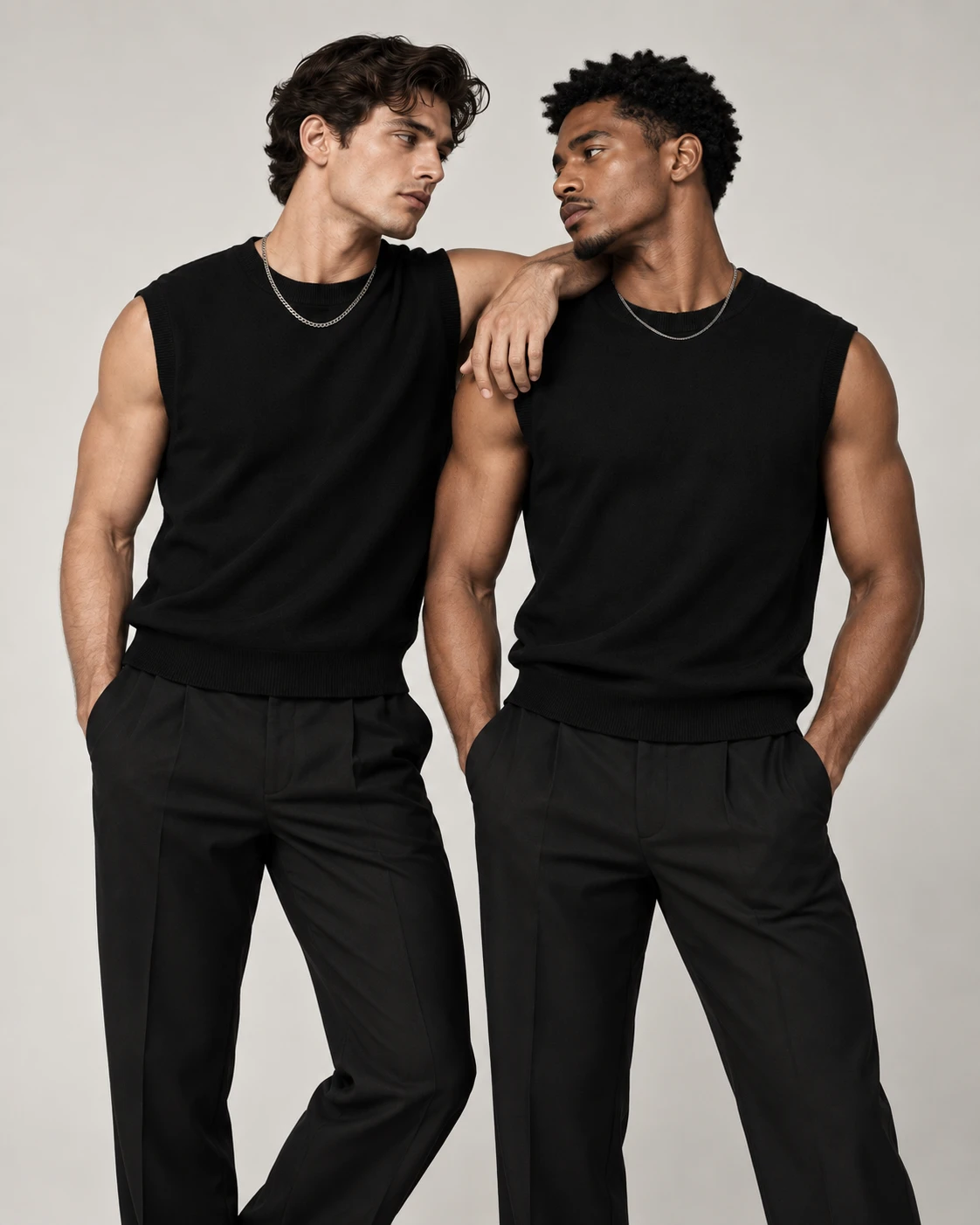

Personal style does not always come from having the biggest wardrobe. Sometimes, it comes from knowing exactly what works for you and wearing it with consistency. A well-built streetwear wardrobe can make getting dressed easier while giving your everyday appearance a distinct identity.
The idea of a personal streetwear uniform is not about wearing the same outfit every day. It is about developing a reliable combination of silhouettes, colors, textures, and statement pieces that reflect your preferences. Instead of chasing every new trend, you learn how to create outfits that feel natural, intentional, and recognizable.
Streetwear has always offered room for individuality. A relaxed hoodie, a clean graphic tee, a structured tank, or a pair of comfortable bottoms can become the foundation of a personal style. The difference comes from how these pieces are selected and combined.
For anyone interested in expressive, message-driven clothing, Leo Skepi Merch offers pieces that can be incorporated into different everyday looks. The collection includes graphic tees, hoodies, tanks, and bottoms, giving you multiple ways to build a wardrobe around your preferred aesthetic.
Let’s explore how to create a personal streetwear uniform that feels authentic without making your wardrobe repetitive.
What Is a Personal Streetwear Uniform?
A personal streetwear uniform is a consistent style system built around clothing choices that suit your lifestyle, comfort, and visual preferences.
It may include a preferred color palette, a particular fit, a collection of dependable basics, or a recognizable approach to layering. Some people gravitate toward oversized hoodies and relaxed pants, while others prefer fitted sleeveless tops, clean trousers, and understated accessories.
The goal is not to follow a strict formula. Instead, it is to understand which elements make your outfits feel like your own.
Consistency Does Not Mean Repetition
A common misunderstanding about having a signature look is that every outfit needs to look almost identical. In reality, a personal uniform can include considerable variety.
For example, someone who prefers dark, minimalist streetwear might rotate between:
- A graphic T-shirt with relaxed trousers.
- A sleeveless tank with black cargos.
- A hoodie with wide-leg sweatpants.
- A fitted top beneath an open overshirt.
- A clean monochrome outfit with subtle accessories.
The colors and proportions may remain consistent, but the individual pieces can change depending on the weather, occasion, and mood.
This approach makes your wardrobe easier to manage while still allowing room for experimentation.
1. Start With a Clear Style Direction
Before buying more clothes, consider what you want your everyday appearance to communicate. Your clothing does not need to represent a specific message at all times, but understanding your preferences can help you make more intentional choices.
Do you prefer a minimal, athletic look? Are you drawn to oversized streetwear? Do you enjoy graphic designs that become the focus of an outfit? Or do you prefer clean clothing with subtle details?
There is no single correct direction. The important part is recognizing the patterns in the styles you naturally choose.
Identify Your Most-Worn Silhouettes
A silhouette describes the overall shape of a garment or outfit. In streetwear, common silhouettes include oversized, relaxed, fitted, cropped, and structured designs.
Pay attention to the clothing you reach for most often. If you consistently choose relaxed T-shirts and wide-leg bottoms, those proportions may be central to your personal uniform. If you prefer a closer fit through the chest and shoulders, fitted tanks and streamlined trousers may be more useful.
The purpose is to identify what you enjoy wearing rather than forcing yourself into a style because it is currently popular.
Use Your Lifestyle as a Practical Guide
Your clothing choices should work with your daily routine.
A wardrobe for gym sessions, casual errands, social gatherings, and relaxed weekends may require different levels of movement, layering, and comfort. A personal uniform becomes more useful when it adapts to these situations.
Start with pieces you can wear regularly. Then introduce more distinctive garments as you learn which combinations work best.
2. Build Your Wardrobe Around Reliable Essentials
A signature style becomes easier to maintain when you have a foundation of dependable clothing. Essentials do not have to be plain or boring. They simply need to work with several other items in your wardrobe.
A few well-selected T-shirts, hoodies, tanks, and bottoms can create numerous combinations without requiring a large collection of clothing.
Why T-Shirts Matter in Streetwear
T-shirts are among the most flexible pieces in a casual wardrobe. They can serve as the main feature of an outfit or work as a base layer beneath a jacket, overshirt, or hoodie.
Graphic tees add visual interest through typography, imagery, and placement. Minimal tees, on the other hand, allow the fit, fabric, and surrounding pieces to become more prominent.
The Aware & Aggravated Tee is one example of a message-driven T-shirt with a slightly oversized, boxy fit listed on its product page. Its relaxed shape can be considered when creating casual streetwear combinations that prioritize room and proportion.
When selecting a T-shirt for your own wardrobe, consider how it fits across the shoulders, chest, and torso. A graphic you like will look more natural when the garment’s proportions also suit your preferred styling approach.
Hoodies as a Wardrobe Foundation
Hoodies can provide comfort, warmth, and visual structure. They also make layering relatively simple, especially when paired with basic T-shirts and relaxed bottoms.
The Aware & Aggravated Hoodie is listed with a relaxed cotton fit and true-to-size guidance. This type of relaxed silhouette can work as a foundation for casual outfits, particularly when balanced with different bottom proportions.
A hoodie can be styled in several ways:
- With relaxed sweatpants for a comfortable everyday outfit.
- With contrasting trousers for a more structured appearance.
- Over a fitted tank for a layered look.
- With denim to introduce a different texture and shape.
The most effective combination depends on the fit of each item and the overall balance of the outfit.
3. Choose a Consistent Color Palette
Color is one of the simplest ways to develop a recognizable wardrobe. You do not need to limit yourself to one shade, but choosing a few colors that work together can make outfit planning more straightforward.
A personal streetwear palette might include black, white, grey, cream, brown, or muted earth tones. Some people may prefer brighter shades or contrasting graphic designs. The best combination depends on your preferences and the clothes you already own.
The Value of Neutral Colors
Neutral colors are useful because they can be combined in many different ways. Black trousers can work with a graphic T-shirt, a tank, or a hoodie. A cream top can introduce contrast without requiring a complicated outfit.
A neutral foundation also gives statement garments more room to stand out. For example, a bold graphic tee can become the visual focus when worn with simple bottoms and understated footwear.
This does not mean every outfit should be monochromatic. It simply means that a consistent base palette can make your more expressive pieces easier to style.
Try Monochrome Without Making It Flat
An all-black outfit can look distinctive when the individual garments have different shapes and textures.
Consider combining:
- A fitted black tank.
- Relaxed black trousers or cargos.
- A structured overshirt.
- Minimal sneakers.
- One or two understated accessories.
The variation comes from the relationship between the pieces rather than color contrast. Different fabrics, proportions, and finishes can give the outfit depth.
The Classy Tank is described on its product page as a black, sleeveless garment with a relaxed athletic fit and a clean exterior. Its understated design makes it a potential option for people exploring a more refined monochrome streetwear direction.
4. Understand the Importance of Fit
Fit is one of the most important parts of creating a personal streetwear uniform. Two outfits using similar colors and garments can look very different depending on their proportions.
An oversized T-shirt creates a different silhouette from a fitted tee. A relaxed hoodie paired with slim trousers produces a different balance from a loose hoodie worn with wide-leg bottoms.
The key is to understand how the pieces interact.
Experiment With Proportions
You can start by testing different combinations of volume.
A relaxed top with narrower bottoms creates contrast between the upper and lower half of the outfit. A fitted tank with loose trousers creates a different balance, emphasizing the shape of the upper body while allowing more movement through the legs.
There is no universal proportion that works for everyone. Your height, preferred fit, comfort, and personal taste all affect how a combination looks and feels.
Try photographing a few outfits or checking them in a full-length mirror. This can help you notice whether the silhouette matches your intended style.
Avoid Choosing Every Item in the Same Fit
Wearing oversized clothing from head to toe can create a relaxed, flowing appearance. That may be exactly what you want. However, mixing different proportions gives you additional styling options.
For example, you might combine:
- A boxy T-shirt with straight-leg jeans.
- A fitted tank with relaxed sweatpants.
- A cropped outer layer with wider trousers.
- A relaxed hoodie with shorts.
The purpose is to explore how different shapes influence the overall appearance of an outfit.
5. Make Statement Clothing Work With Your Basics
Statement garments can be an important part of streetwear. They bring visual personality through graphics, typography, unusual cuts, or distinctive design details.
However, a statement piece does not need to be paired with several other attention-grabbing items.
Sometimes, the strongest approach is to let one garment become the focus and keep the remaining pieces relatively controlled.
Let One Piece Lead the Outfit
Suppose you are wearing a graphic hoodie with a prominent back design. Adding several competing graphics may make the outfit feel visually crowded.
Instead, you could pair the hoodie with plain trousers, simple sneakers, and minimal accessories. The hoodie remains the central element while the other pieces support the overall silhouette.
The Hello & Shit Hoodie is described as having a simpler front and a larger back graphic. This type of front-to-back contrast can be considered when planning outfits where the hoodie carries most of the visual message.
The principle applies to any streetwear brand. Choose the item you want people to notice, then build the rest of the outfit around it.
Balance Graphic Intensity
Not every graphic tee needs to be styled with a bold jacket or patterned bottoms. A simpler outfit can allow the design to remain visible and intentional.
On other days, you might prefer a more layered appearance. In that case, consider how each garment contributes to the composition rather than adding layers without a clear purpose.
6. Build a Layering System
Layering gives your wardrobe more flexibility. It allows you to adapt your outfits to different temperatures, settings, and visual preferences.
A layering system does not need to be complicated. Start with pieces that can be worn independently and combined comfortably.
Base Layers
A tank or fitted T-shirt can work as a base layer beneath an open shirt, overshirt, jacket, or hoodie.
For example, a simple black tank can be paired with relaxed trousers and an open button-up shirt. The base layer creates a clean foundation while the outer garment adds shape and texture.
The Man Beater is described on the website as a black tank that can be worn independently or layered under other garments. Its understated exterior makes this type of styling approach worth considering for a versatile wardrobe.
Mid and Outer Layers
Hoodies, overshirts, denim jackets, and lightweight jackets can change the appearance of an outfit without requiring a complete wardrobe change.
When layering, pay attention to how much of each garment remains visible. A longer T-shirt beneath a shorter jacket can create a deliberate layered effect. Similarly, a structured outer layer can introduce contrast over a relaxed base.
Comfort matters as well. Clothing should allow movement without excessive bulk, especially when multiple layers are worn together.
7. Choose Bottoms That Support Your Style
Tops often receive the most attention in streetwear, but bottoms have a significant influence on the overall silhouette.
The same hoodie can look different when paired with slim jeans, cargo trousers, shorts, or relaxed sweatpants. Your choice of bottoms can determine whether an outfit feels athletic, casual, oversized, or more structured.
Explore Different Bottom Shapes
Consider experimenting with the following options:
Relaxed sweatpants: Useful for comfortable everyday outfits and casual streetwear combinations.
Straight-leg trousers: Offer a balanced shape that can work with both fitted and relaxed tops.
Cargo pants: Introduce additional pockets and a utilitarian visual direction.
Shorts: Offer an alternative for warmer weather and more casual settings.
The Not Above Violence Sweatpants can be explored through the site’s bottoms collection. When choosing sweatpants or similar garments, consider how the leg width, length, and waist fit work with your preferred tops.
The goal is not to own every type of bottom. It is to find a few shapes that provide variety without moving too far away from your established style.
8. Create Outfit Formulas You Can Repeat
One of the practical benefits of a personal streetwear uniform is having a few dependable outfit formulas.
An outfit formula is a combination of garment types that you can recreate using different colors or pieces. It reduces the effort involved in deciding what to wear while leaving room for personal expression.
Here are several examples.
Formula One: Graphic Tee and Relaxed Bottoms
- Graphic T-shirt.
- Relaxed trousers or jeans.
- Sneakers.
- Optional accessories.
This is a straightforward everyday combination. You can change the T-shirt design, footwear, and bottoms to create different variations.
Formula Two: Tank and Layered Outerwear
- Fitted or structured tank.
- Open shirt or lightweight jacket.
- Relaxed trousers.
- Sneakers or casual footwear.
This combination can work well when you want a sleeveless base with additional layering options.
Formula Three: Hoodie and Coordinated Bottoms
- Graphic or minimalist hoodie.
- Sweatpants, denim, or cargo trousers.
- Sneakers.
- Simple accessories.
The visual balance depends on the fit of both the hoodie and the bottoms. You can use contrasting proportions or maintain a relaxed silhouette throughout.
Formula Four: Monochrome Streetwear
- Black or neutral top.
- Matching or tonal bottoms.
- Minimal footwear.
- Subtle accessories.
Monochrome styling can be adapted to different silhouettes. The result may be understated or expressive depending on the garment details.
These formulas are starting points rather than rules. Adjust them according to your comfort and the setting.
9. Shop With a Clear Purpose
Building a personal uniform does not require buying something every time you see a new release. A more deliberate approach can help you avoid accumulating pieces that rarely work with the rest of your wardrobe.
Before purchasing an item, consider what role it will play.
Ask Yourself Three Questions
Can I style it with at least three items I already own?
This encourages you to think beyond a single outfit. If a garment works with multiple pieces, it may be easier to wear regularly.
Does the fit match my preferred silhouette?
A garment can look appealing in product photography but feel different from what you normally enjoy wearing. Review sizing information and consider the intended fit before ordering.
Does it add something different to my wardrobe?
You may already own several black graphic tees. Another one might still be useful, but consider whether its design, cut, or fabric provides a meaningful variation.
The purpose is not to restrict your shopping. It is to make your clothing choices more intentional.
10. Use Accessories to Refine the Look
Accessories can introduce small details that make an outfit feel complete. They do not need to be expensive or elaborate.
Depending on your preferences, you might explore watches, sunglasses, rings, chains, caps, or bags.
Keep Accessories Consistent With the Outfit
If your clothing already contains bold graphics, a smaller selection of accessories may create a more balanced appearance. If your outfit is minimal, accessories can introduce additional visual interest.
Consider the color and finish of your accessories as well. Silver jewelry, dark sunglasses, or a simple watch can complement a monochrome outfit without changing its overall direction.
Accessories should support your personal style rather than become a requirement for every outfit.
11. Maintain Your Clothes Properly
A personal streetwear uniform becomes more useful when your favorite garments remain in good condition.
Clothing care depends on the fabric, construction, and manufacturer’s instructions. Always review the care information provided with the individual garment.
Practical Care Habits
For many graphic T-shirts and hoodies, turning the garment inside out before washing can help reduce direct friction against printed surfaces. Cold washing and lower drying temperatures may also be recommended for particular pieces.
However, care instructions differ between products. For example, the Classy Tank product page lists specific care guidance involving delicate washing or dry cleaning, while the Aware & Aggravated Hoodie lists cold washing inside out and low-heat tumble drying.
Follow the instructions for the garment you own instead of applying one universal washing routine to everything.
Proper storage also helps. Fold heavier knitwear and avoid overcrowding garments that need to retain their shape.
12. Let Your Style Develop Over Time
Personal style is not something you need to finalize in one shopping session. It develops through experience.
As you wear different combinations, you learn which colors you prefer, which silhouettes feel comfortable, and which garments consistently become part of your everyday rotation.
You may discover that your preferred style changes with the season or your lifestyle. That is normal.
Review Your Wardrobe Regularly
Every few months, look at the clothing you actually wear.
Which pieces do you reach for most often? Which items remain unused? Are there combinations you enjoy that you had not considered before?
This process can help you identify patterns and make better decisions about future purchases.
A personal uniform should make your wardrobe feel more useful, not more restrictive.
Explore the Leo Skepi Merch Collection
Once you have a clearer understanding of your preferred silhouette, color palette, and outfit formulas, you can explore pieces that fit into your existing wardrobe.
The New Arrivals collection provides a place to discover recent additions, while the Shop All collection lets you browse the broader range of available clothing.
You can also explore the Leo Skepi Merch homepage to learn more about the brand and its clothing selection.
Whether you are looking for a graphic hoodie, an everyday T-shirt, a structured tank, or comfortable bottoms, consider how the piece will work with what you already own.
Final Thoughts
Building a personal streetwear uniform is about developing a wardrobe that feels consistent with your lifestyle and individual preferences.
You do not need endless clothing options or a strict set of fashion rules. Start with reliable essentials, identify the silhouettes you enjoy, experiment with color and proportions, and choose statement pieces with a clear purpose.
The strongest personal style is not necessarily the one that follows every trend. It is the one that allows you to feel comfortable, confident, and intentional in what you wear.
Use your wardrobe as a way to explore your identity, try new combinations, and refine your preferences over time. A personal streetwear uniform is not a fixed formula. It is a flexible foundation that grows with you.


Join the conversation