
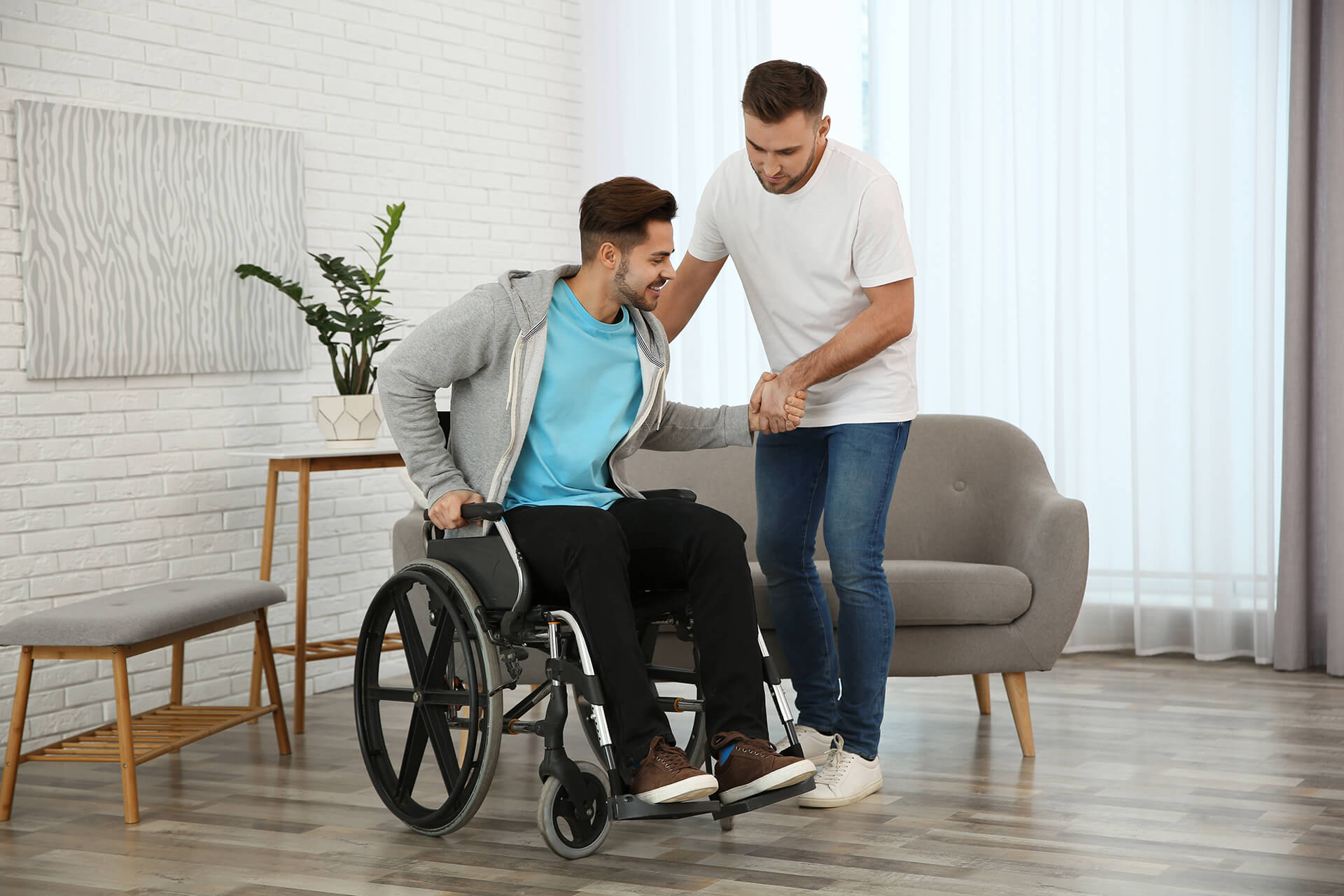

Independence means having opportunities to make choices, participate in daily activities, communicate personal needs, and develop useful life skills. For people living with disability, independence may look different depending on their abilities, goals, environment, and support needs. Positive behaviour support services can help by identifying barriers to participation, understanding the reasons behind behaviour, and creating practical strategies that support confidence, safety, communication, and involvement in everyday life.
What Does Everyday Independence Mean?
Everyday independence does not necessarily mean completing every activity without assistance. It means having an appropriate level of choice and control while receiving support when needed.
For one person, independence may involve preparing a simple meal. For someone else, it may mean choosing what to wear, following a morning routine, requesting a break, using public transport with support, or participating in a community activity.
Independence is individual. It should be based on the person’s strengths, preferences, communication style, support requirements, and personal goals rather than other people’s expectations.
Understanding Behaviour Before Building Skills
Behaviour can communicate important information about a person’s needs and experiences. Refusing an activity, leaving a room, becoming distressed, or repeating certain actions may indicate confusion, discomfort, anxiety, sensory overload, pain, or difficulty communicating.
Before teaching a new skill, it is important to understand what may be preventing the person from participating. A task might be too complicated, the instructions may be unclear, or the surrounding environment may feel overwhelming.
Understanding these factors allows supporters to make helpful adjustments. This can create a safer and more suitable foundation for learning.
The Role of Positive Behaviour Support
Positive behaviour support in australia uses a person-centred and evidence-informed approach. It focuses on understanding the possible purpose of behaviour and improving the person’s overall quality of life.
The process may involve observing behaviour, gathering information from the person and their support network, identifying patterns, and considering health, communication, sensory, emotional, and environmental factors.
Strategies may then be developed to:
- Reduce preventable stress
- Improve communication
- Build practical life skills
- Increase meaningful choice
- Make routines easier to understand
- Support participation in daily activities
- Strengthen relationships
- Create safer and more supportive environments
The aim is not simply to stop a particular behaviour. It is to understand the need behind it and help the person develop safer, more effective ways to meet that need.
Building Independence Through Small Steps
Learning a complete task at once can feel overwhelming. Breaking the activity into smaller and more manageable steps can make it easier to understand and practise.
For example, preparing breakfast might involve:
- Choosing what to eat
- Collecting the required items
- Following simple preparation steps
- Placing used items in the sink
- Cleaning the preparation area
The person may initially need support with every step. Over time, assistance can be reduced in the areas they can manage independently.
Progress should be measured according to the individual. Completing one additional step, asking for help appropriately, or staying involved for longer can all represent meaningful development.
Strengthening Communication Skills
Communication is essential for independence. A person needs a reliable way to express choices, ask for help, refuse something, report discomfort, and communicate their preferences.
Some people use speech, while others may communicate through gestures, pictures, signs, written words, facial expressions, or communication devices. The most suitable method depends on the person’s abilities and preferences.
Useful communication skills may include:
- Asking for a break
- Choosing between two activities
- Requesting assistance
- Indicating pain or discomfort
- Saying “yes” or “no”
- Expressing when something feels overwhelming
- Asking for more time
- Communicating a preferred activity
When communication becomes easier and more effective, a person may rely less on behaviours that previously helped them express the same need.
Creating Predictable Daily Routines
Predictable routines can help people understand what is happening and what is expected. This may reduce uncertainty and allow the person to participate more confidently.
Routines can be supported through:
- Visual schedules
- Written checklists
- Picture-based instructions
- Timers
- Verbal reminders
- Consistent activity sequences
- Advance notice of changes
- Clear transition cues
Predictability should not remove all choice or flexibility. Instead, routines should provide structure while allowing the person to express preferences and make decisions within their day.
Providing Meaningful Choices
Choice is a central part of independence. Even small decisions can help a person feel heard, respected, and involved.
Supporters may offer choices about clothing, meals, activities, break times, the order of tasks, or where an activity takes place. Choices should be genuine and manageable.
Offering too many options at once may be confusing for some people. Presenting two clear choices can make decision-making easier while still supporting control and participation.
It is also important to respect the person’s response. If choices are offered but their preferences are regularly ignored, they may stop seeing communication as useful.
Adjusting the Environment
Sometimes the environment creates barriers to independence. Excessive noise, bright lighting, crowded spaces, unclear layouts, rushed instructions, or frequent interruptions may make participation more difficult.
Environmental adjustments may include:
- Reducing unnecessary noise
- Creating a quiet break area
- Organising items in a consistent place
- Using labels or visual signs
- Allowing additional processing time
- Changing the time of an activity
- Simplifying the physical setup
- Limiting distractions during learning
These changes are not about lowering expectations. They are about creating conditions in which the person has a fair opportunity to participate successfully.
Supporting Emotional Regulation
Everyday tasks can become difficult when a person feels anxious, frustrated, tired, or overwhelmed. Learning how to recognise and manage emotions can support greater independence.
A behaviour support plan may include strategies such as planned breaks, calming activities, movement, sensory supports, breathing exercises, or access to a preferred quiet space.
Supporters can also learn to recognise early signs of distress. Responding early may prevent the situation from escalating and help the person return to the activity when they feel ready.
Encouraging Progress Without Taking Over
It can be tempting to complete a task for someone when they are taking longer or finding it difficult. Although this may save time, regularly taking over can reduce opportunities for learning.
Support should be matched to what the person needs. This might involve demonstrating a step, giving a verbal prompt, pointing to a visual instruction, or providing physical assistance when appropriate.
As the person becomes more confident, prompts should be gradually reduced. This allows them to experience success and take greater ownership of the task.
Why Consistency Matters
People often learn more effectively when support is consistent. If family members, carers, educators, and other professionals use very different instructions or responses, the person may become confused.
Professionals providing positive behaviour support in australia may help support networks understand the person’s goals, communication methods, triggers, and agreed strategies. Consistent support can make it easier for the person to use their skills across home, education, work, and community environments.
Consistency does not mean responding rigidly. Strategies should remain flexible enough to consider changes in the person’s health, emotions, environment, and preferences.
Measuring Meaningful Progress
Progress should not be measured only by whether a particular behaviour has decreased. Improvements in communication, participation, relationships, confidence, and quality of life are also important.
Meaningful signs of progress may include:
- Making more independent choices
- Completing part of a daily task
- Asking for assistance appropriately
- Managing a transition with less support
- Participating in a community activity
- Communicating discomfort earlier
- Recovering more quickly after distress
- Trying a new activity
- Using a newly learned coping strategy
Regular reviews help determine which strategies are working and whether the person’s goals or support needs have changed.
Frequently Asked Questions
Can positive support help with everyday living skills?
Yes. Positive support can identify barriers affecting daily activities and provide strategies to build communication, routines, emotional regulation, and practical skills. Support should be personalised to the individual’s needs and goals.
How long does it take to build greater independence?
There is no fixed timeframe. Progress depends on the person, the complexity of the skill, their environment, and the consistency of support. Small and gradual improvements can still be meaningful.
Should family members and carers be involved?
Yes. People who know the individual well can provide valuable information about their preferences, routines, communication, and behaviour. Their involvement can also support consistent use of agreed strategies.
Conclusion
Positive support can help people build independence by understanding their needs, removing unnecessary barriers, and teaching practical skills in manageable steps. The process should respect each person’s communication style, preferences, strengths, and right to make choices.
With consistent encouragement and person-centred strategies, individuals can gain greater confidence, participate more fully in everyday life, and develop skills that support long-term independence and wellbeing.



Join the conversation