

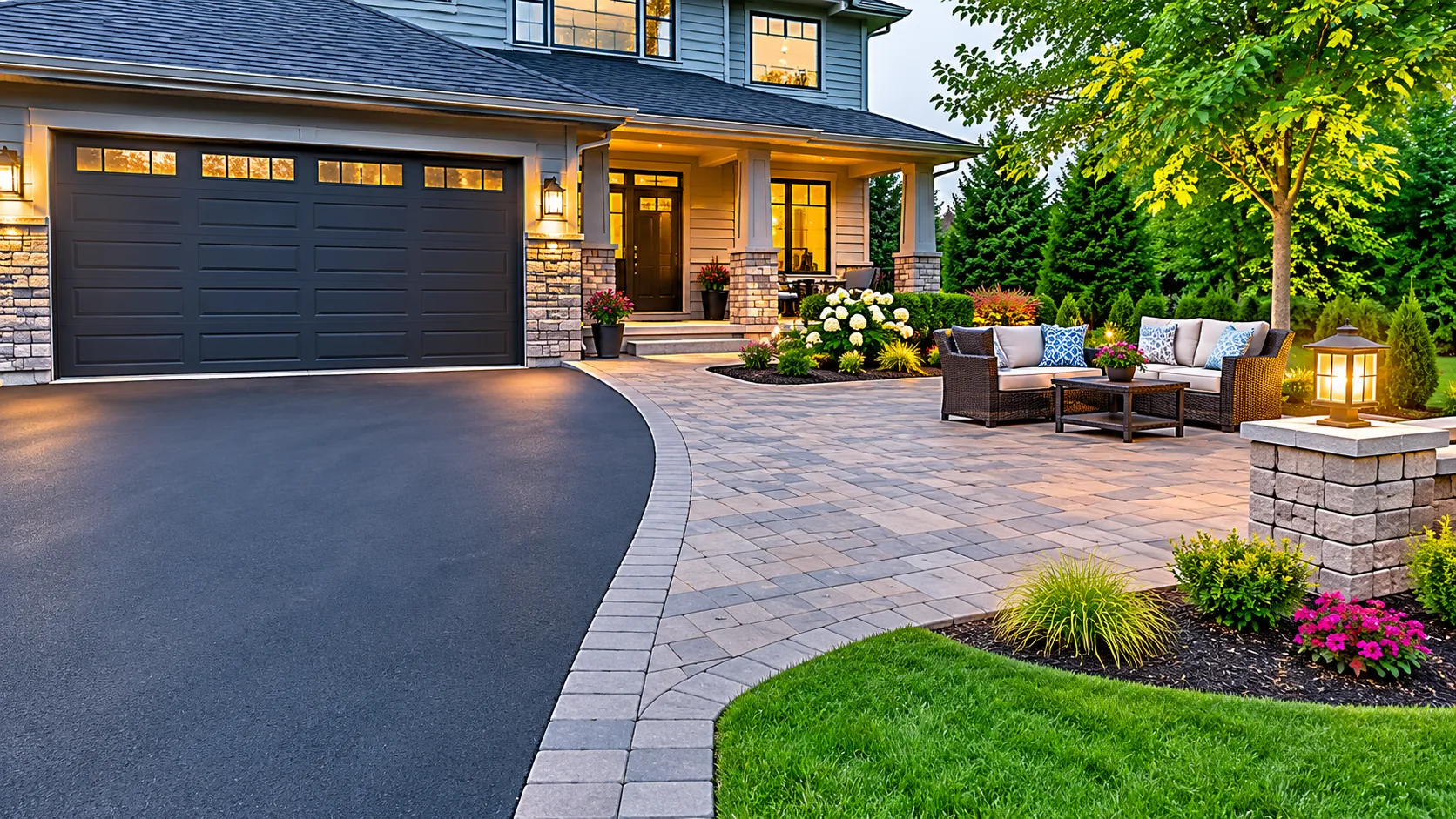

Why Are Driveways and Patios Important for Residential Properties?
Outdoor spaces play an important role in the appearance, functionality, and overall value of a residential property. A well-designed driveway provides a convenient area for parking and accessing the home, while a properly planned patio creates additional space for relaxation, family gatherings, and outdoor activities. Both features contribute to how homeowners use their property every day. Their condition can also influence the first impression visitors receive when approaching a house. Worn surfaces, poor layouts, uneven areas, and inadequate drainage may reduce the comfort and appearance of outdoor spaces. Homeowners who invest in suitable materials and professional installation can create exterior areas that support everyday needs while complementing the design of their homes. Planning these improvements together can also help create a consistent appearance between parking areas, walkways, gardens, and outdoor living spaces.
What Should Homeowners Consider When Planning Driveways and Patios?
Planning driveways and patios requires careful consideration of the property’s layout, available space, intended use, and long-term maintenance requirements. A driveway must provide enough room for vehicles to enter, park, and leave comfortably, while a patio should offer a practical area for outdoor activities. Homeowners should consider how people and vehicles will move through the property and whether the proposed layout creates convenient connections between different outdoor areas. Drainage, ground preparation, material selection, and accessibility are also important factors. A design that looks attractive but does not account for everyday use may become inconvenient over time. Property owners should evaluate their current needs as well as possible future changes, such as adding another vehicle, outdoor furniture, or a larger entertainment area. Discussing these details with an experienced contractor can help establish a practical plan that balances appearance, durability, and functionality.
How Can a Well-Designed Driveway Improve Daily Convenience?
A driveway is one of the most frequently used exterior features of a home. It provides a designated place for vehicles and creates a direct connection between the street, garage, and entrance of the property. A properly designed driveway can make parking easier, improve vehicle access, and reduce unnecessary movement around the yard. Its dimensions should reflect the number and size of vehicles regularly used by the household. Homeowners should also consider turning space, the position of the garage, nearby landscaping, and the location of pedestrian pathways. A narrow or poorly arranged driveway may make everyday parking difficult, especially when several vehicles need access. Choosing a suitable layout can help improve convenience while keeping the surrounding property organized. The surface material should also be selected according to expected vehicle weight, weather exposure, and maintenance preferences.
What Makes a Patio a Valuable Outdoor Living Space?
A patio provides an opportunity to extend the usable living area of a home beyond its interior walls. It can serve as a comfortable place for outdoor dining, reading, relaxing, entertaining guests, or spending time with family. The design can be simple or detailed depending on the homeowner’s preferences, available space, and budget. Some properties benefit from a small seating area near the house, while others have enough room for a larger outdoor arrangement with dining furniture and decorative features. The location of the patio should consider sunlight, privacy, access from the home, and the surrounding landscape. A properly planned surface can also make it easier to arrange furniture and maintain a clean outdoor environment. Homeowners should think about how they expect to use the space before choosing its dimensions and materials. A functional patio should support regular activities without making the rest of the yard difficult to maintain.
Which Materials Are Suitable for Residential Driveways?
Several materials can be used to create a residential driveway, and each option offers different benefits. Asphalt is often selected for its smooth appearance and practical installation, while concrete provides a firm surface that can accommodate regular vehicle use. Pavers offer design flexibility because they are available in different colors, shapes, and patterns. Gravel may be suitable for certain properties where homeowners prefer a more natural appearance and are comfortable with its maintenance requirements. The best material depends on the property’s conditions, expected traffic, climate, budget, and desired appearance. Homeowners should also consider how the surface will connect with the garage, sidewalks, and surrounding landscaping. Comparing the installation requirements and long-term care needs of different materials can help prevent unsuitable choices. A professional contractor can explain the advantages and limitations of each option and recommend an approach that matches the property’s specific requirements.
How Should Homeowners Choose Materials for a New Patio?
Selecting patio materials involves balancing appearance, comfort, durability, and maintenance. Concrete is a popular choice because it provides a versatile surface that can be finished in different ways. Pavers allow homeowners to create decorative patterns and coordinate the patio with other exterior features. Natural stone can provide a distinctive appearance, although the type of stone and its maintenance requirements should be considered carefully. Some homeowners prefer materials that complement the color and architectural style of their homes, while others focus on creating contrast between the patio and surrounding garden. Surface texture is also important because outdoor areas are exposed to rain, dirt, and changing weather conditions. The selected material should be suitable for the intended use and local environment. Homeowners should request samples or review completed projects before making a final decision so they can better understand how the material may look in their own outdoor space.
Why Is Ground Preparation Important Before Installation?
Proper ground preparation is one of the most important parts of constructing a durable outdoor surface. Before installing a driveway or patio, the existing area may need excavation, grading, soil evaluation, and compaction. These steps help create a stable foundation capable of supporting the intended use of the surface. If the ground is poorly prepared, the finished installation may experience settlement, movement, or uneven areas over time. Soil conditions can vary significantly between properties, so preparation should be based on the actual site rather than a standard assumption. The contractor should also consider nearby structures, existing drainage paths, underground utilities, and the required elevation of the finished surface. A suitable base helps distribute weight and supports the materials placed above it. Although homeowners may focus primarily on the visible finish, the work beneath the surface is equally important for the long-term performance of the project.
How Does Drainage Affect Outdoor Surfaces?
Drainage is essential for protecting driveways, patios, foundations, and surrounding landscaping. Rainwater should move away from buildings and avoid collecting in areas where it may create slippery conditions or affect the supporting soil. Poor drainage can contribute to erosion, standing water, and deterioration of outdoor surfaces. It may also direct unwanted moisture toward garages, basement entrances, or other sensitive areas of a property. During planning, contractors should evaluate the natural slope of the land and determine how water will move after installation. Depending on the property, drainage improvements may involve grading adjustments, suitable surface slopes, or additional drainage features. Homeowners should pay attention to existing water accumulation because it may indicate a problem that needs to be addressed before new construction begins. A visually attractive outdoor surface will provide greater long-term value when its design also supports effective water management.
Can Driveways and Patios Be Designed to Match Each Other?
Coordinating the appearance of a driveway and patio can create a more unified exterior design. Homeowners may choose complementary colors, similar textures, or materials that work well together without making every outdoor surface look identical. For example, a simple driveway finish can be paired with a decorative patio pattern to create visual interest while maintaining consistency. Borders, edging, and transitions can also help connect separate areas of the property. The design should consider the home’s exterior colors, landscaping, garage doors, walkways, and other architectural features. It is important to maintain practical differences between vehicle surfaces and areas intended mainly for foot traffic. A material suitable for a patio may not always be the best option for a driveway that regularly supports heavy vehicles. A contractor can help select combinations that provide an attractive appearance while meeting the functional requirements of each area.
What Design Features Can Make a Driveway More Practical?
A practical driveway should make vehicle access straightforward while using the available property space efficiently. Its width, turning areas, parking arrangement, and connection to the street should all be considered during the design stage. Homeowners with multiple vehicles may need additional space to prevent congestion and make it easier for each driver to enter or leave. The location of nearby trees, fences, walls, and landscaping should also be considered because these features can affect visibility and maneuvering. Some properties may benefit from a wider entrance or a layout that separates parking space from pedestrian access. Edging can help define the driveway and create a more finished appearance. Lighting may also improve visibility during evening hours. By considering these practical details before construction, homeowners can create a driveway that supports their daily routines and works naturally with the rest of the property.
How Can Patio Layouts Support Outdoor Entertainment?
A patio designed for entertainment should provide enough space for people to move comfortably and use outdoor furniture. Homeowners who frequently host gatherings may want separate areas for dining, seating, and outdoor activities. The arrangement should allow guests to move between the house and patio without unnecessary obstacles. Access to the kitchen, backyard, and nearby garden can also influence the most convenient location. Lighting, shade, and privacy may be important depending on how often the space will be used and at what time of day. Some homeowners may prefer a simple open layout, while others may include decorative borders or designated areas for planters and outdoor accessories. The size of the patio should be appropriate for the available yard so it does not overwhelm the surrounding landscape. A thoughtful layout can make an outdoor area more welcoming and easier to enjoy throughout the year.
When Should an Existing Driveway Be Repaired or Replaced?
An existing driveway may require attention when its surface begins showing signs of deterioration, unevenness, poor drainage, or reduced functionality. The right solution depends on the extent of the problem and the condition of the underlying base. Localized surface issues may be suitable for targeted improvements, while widespread deterioration or significant movement may require a more extensive project. Homeowners should not make a decision based only on the driveway’s age or appearance. A professional inspection can help identify whether the existing structure remains suitable for continued use. The contractor should explain which areas can be preserved and which may need additional work. It is also important to understand whether water management or ground conditions contributed to the deterioration. Addressing those factors can help prevent similar problems from returning after the work is completed.
How Can an Existing Patio Be Improved Without Rebuilding Everything?
Not every older patio requires complete reconstruction. If the underlying surface remains stable, certain improvements may help refresh its appearance and improve its usability. Depending on the existing material and its condition, options may include cleaning, localized restoration, resurfacing, or replacing selected sections. Decorative additions such as suitable edging or updated landscaping can also improve the overall appearance. However, homeowners should first determine whether visible problems are limited to the surface or connected to deeper structural concerns. Applying a new finish over an unstable base may not provide a lasting result. The contractor should inspect the patio and explain which improvements are appropriate. Homeowners should also consider whether the existing dimensions and layout still meet their needs. Improving an older patio can be an opportunity to address both appearance and practical use while preserving portions of the existing installation when conditions allow.
What Maintenance Helps Keep Outdoor Surfaces in Good Condition?
Regular maintenance can help preserve the appearance and usability of exterior surfaces. Homeowners should remove leaves, dirt, and debris before they accumulate, particularly near edges and drainage areas. Periodic cleaning can help prevent ordinary stains from becoming more difficult to remove. It is also useful to inspect the driveway and patio after heavy rainfall to identify areas where water remains for extended periods. Outdoor furniture should be moved carefully to avoid unnecessary surface damage, and heavy objects should be placed appropriately. The maintenance method should match the installed material because asphalt, concrete, pavers, and natural stone have different care requirements. Protective sealers may be appropriate for certain surfaces, but homeowners should follow product instructions and professional recommendations. Consistent attention can help identify small concerns early and reduce the likelihood of more extensive restoration work later.
How Can Landscaping Complement Driveways and Patios?
Landscaping can make outdoor surfaces feel more connected to the surrounding property. Plants, garden borders, trees, lighting, and decorative features can soften the appearance of large paved areas and create a more inviting environment. Along a driveway, suitable landscaping can define the edges while maintaining enough room for vehicles to move safely. Around a patio, planters and garden beds can create a comfortable atmosphere and help establish separate outdoor areas. Homeowners should select plants according to available sunlight, soil conditions, and maintenance preferences. Tree roots and irrigation systems should also be considered before installing new paved surfaces because they may affect the surrounding ground. A coordinated plan can help prevent landscaping from interfering with drainage or access. When outdoor construction and landscaping are considered together, the property can achieve a more balanced appearance and make better use of the available space.
What Safety Considerations Matter During Outdoor Construction?
Safety should be considered before, during, and after any driveway or patio project. Construction areas may contain excavation equipment, loose materials, tools, and uneven ground, so children and pets should remain away from active work zones. Homeowners should follow the contractor’s instructions about access restrictions and avoid walking on newly installed surfaces before they are ready for use. Vehicle access may also need to be temporarily adjusted while work is underway. The finished surface should provide practical transitions between paved areas, steps, and walkways. Proper drainage and suitable surface texture can help reduce certain outdoor hazards, especially during wet weather. Lighting may improve visibility around parking and entertainment areas. Contractors should explain any temporary precautions and provide clear guidance about when the new surface can safely support foot traffic or vehicles. Planning for safety helps protect residents, visitors, workers, and the surrounding property.
How Should Homeowners Compare Estimates for Outdoor Projects?
Comparing estimates is an important step when planning a driveway or patio improvement. Homeowners should look beyond the final price and review what each estimate includes. Important details may involve excavation, ground preparation, base materials, surface installation, edging, drainage, cleanup, and disposal of existing materials. Different contractors may recommend different approaches because they evaluate the property’s conditions differently. A lower estimate may exclude work that another contractor considers necessary, so the details should be compared carefully. Homeowners should ask questions about material specifications, project timing, payment arrangements, and any conditions that could affect the final cost. Written estimates help establish expectations and reduce misunderstandings. It is also useful to review previous projects and confirm that the contractor has experience with the type of work being considered. A clear estimate makes it easier to understand the value of the proposed work rather than choosing solely according to price.
Why Should Homeowners Consider Long-Term Value When Choosing Materials?
The initial installation cost is only one part of the overall value of a driveway or patio. Homeowners should also consider how the material performs under regular use, how much maintenance it requires, and whether it suits the local environment. A material that looks attractive may not be practical if it requires frequent attention or does not support the expected vehicle traffic. Similarly, an inexpensive option may become less economical if it needs repeated restoration. The surrounding property’s design and the homeowner’s future plans should also influence the decision. For example, a household expecting additional vehicles may need a driveway layout that can accommodate changing parking requirements. A family planning to use the backyard more frequently may prefer a patio with enough room for outdoor furniture and entertainment. Considering long-term needs helps homeowners choose materials and designs that remain useful beyond the initial installation.
How Can Professional Installation Improve Project Results?
Professional installation can make a significant difference in the performance and appearance of outdoor surfaces. Experienced contractors understand the importance of site evaluation, excavation, grading, material selection, compaction, and proper installation procedures. They can also identify conditions that may affect the project, including drainage concerns, unsuitable soil, limited access, and connections to existing structures. Each material requires appropriate handling and installation methods, so the work should be planned according to the selected surface. Homeowners should communicate their priorities clearly and ask the contractor to explain the proposed process. A professional approach also includes keeping the work area organized, managing construction materials, and reviewing the completed installation. Clear communication throughout the project helps ensure that the finished driveway or patio reflects the agreed design and functional requirements.
What Should Homeowners Expect Before Starting a New Outdoor Project?
Before construction begins, homeowners should have a clear understanding of the project scope, estimated schedule, selected materials, and responsibilities involved. They should confirm which areas will be affected and whether temporary changes to parking or backyard access will be necessary. Any concerns involving drainage, nearby structures, landscaping, or underground utilities should be discussed before excavation. Homeowners should also review the proposed layout to make sure the dimensions and access points meet their expectations. It is helpful to keep important project information in writing so that both parties understand the agreed work. Weather conditions and material availability may influence the schedule, so the contractor should explain how unexpected changes will be handled. Preparing in advance can reduce interruptions and make the construction process easier to manage. A well-organized project begins with realistic expectations and a shared understanding of the desired result.
How Can the Right Contractor Transform Your Outdoor Property?
The right contractor can help homeowners turn an ordinary exterior area into a more functional and attractive part of their property. A well-planned driveway can improve parking convenience and create a welcoming approach to the home, while a thoughtfully designed patio can provide additional space for relaxation and entertainment. Achieving these results requires attention to ground conditions, drainage, materials, layout, and installation quality. Homeowners should choose a contractor who listens to their requirements, explains suitable options, and provides a clear description of the proposed work. Reviewing previous projects and discussing maintenance expectations can also help build confidence before construction begins. When driveway and patio improvements are planned as part of the property’s overall design, the results can create a more consistent outdoor environment. For homeowners considering paving, masonry, driveway, or patio improvements, Promaster Maintenance Corp Paving and Masonry can be contacted to discuss project needs and suitable solutions for their property.



Join the conversation