
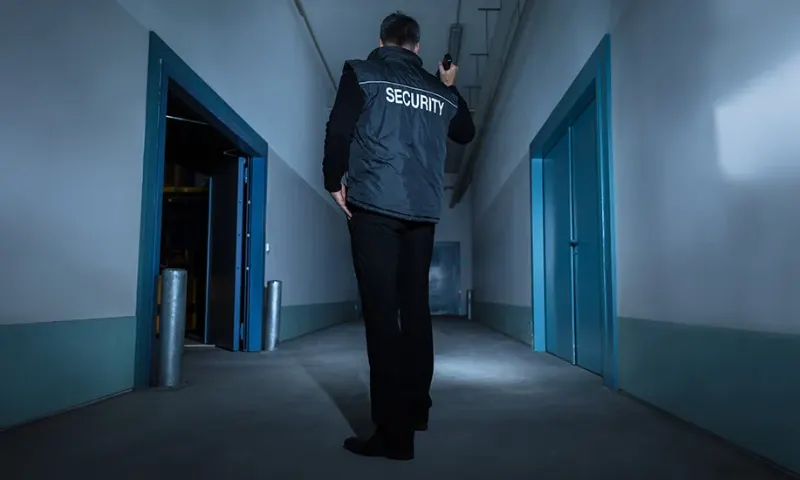

Emergencies can happen at any time and affect businesses, employees, customers and visitors. A fire, medical incident, break-in, aggressive behaviour or suspicious activity can quickly create a dangerous situation. Without a clear response plan, these incidents may lead to injuries, property damage and disruption to normal business operations.
Professional security teams play an important role in managing these situations. They monitor premises, identify potential problems and take appropriate action when an emergency occurs. A reliable security provider also works with building management and emergency services to help protect people and property. Understanding how security teams handle emergencies can help London businesses make better decisions about workplace safety.
Identifying Emergencies and Taking Immediate Action
The first step in managing an emergency is recognising that something is wrong. Security guards regularly monitor entrances, reception areas, car parks and other parts of a building. This allows them to notice unusual behaviour, suspicious activity, fire alarms or safety concerns. Early identification helps prevent a small problem from becoming more serious.
Once an emergency is identified, security staff follow the agreed site procedures. Their first priority is to protect people from immediate danger and alert the appropriate contacts. Depending on the situation, they may raise an alarm, restrict access to an affected area or contact emergency services. Taking clear and timely action helps maintain control during difficult situations.
Managing Fire Emergencies and Building Evacuations
Fire emergencies require quick action because smoke and flames can put lives at risk. Security guards can help by responding to fire alarms, following evacuation procedures and directing people towards designated exits. They may also help prevent visitors from entering dangerous areas while keeping emergency routes clear.
A professional security team should understand the building’s fire procedures and know their assigned responsibilities. They can assist with communication, guide occupants towards assembly points and help emergency services access the premises. Security staff should not delay evacuation or attempt to fight a fire unless they are appropriately trained and it is safe to do so. Clear procedures help businesses protect employees, customers and visitors.
Responding to Medical Emergencies
Medical emergencies can occur in offices, shopping centres, hotels and other commercial premises. Someone may suddenly become unwell, suffer an injury or require urgent medical attention. In these situations, a quick response is important to ensure the person receives appropriate help.
Security guards can raise the alarm, contact emergency services and provide assistance within their level of training. Where appropriately trained, they may provide first aid while waiting for medical professionals to arrive. They can also help direct ambulance crews to the correct entrance and keep the surrounding area clear. Good communication between security staff and emergency responders can make the situation easier to manage.
Handling Break-Ins, Theft and Security Breaches
Break-ins and security breaches can put people and business property at risk. These incidents may involve forced entry, stolen equipment, damaged doors or attempts to access restricted areas. Security guards help manage these situations by monitoring the premises and responding when they notice suspicious activity or receive an alarm notification.
When a breach occurs, security staff follow the site’s response procedures. They may secure affected areas, prevent unauthorised people from entering and contact the police when necessary. They also report important details to building management and record what happened. Security personnel should avoid taking unnecessary risks or confronting dangerous individuals when doing so could put people in danger.
Managing Aggressive Behaviour and Workplace Conflicts
Arguments, aggressive visitors and disruptive behaviour can create serious concerns in commercial buildings. These situations may happen in reception areas, retail premises, offices or shared business spaces. If they are not managed properly, they can affect employees, customers and other visitors.
Trained security guards can help manage these situations through calm communication and professional behaviour. They may try to reduce tension, maintain a safe distance and separate people when it is safe and appropriate. If the situation becomes dangerous, they can request police assistance and follow the site’s emergency procedures. Physical intervention should only be used when necessary, lawful and within the officer’s training.
Responding to Suspicious Activity and Potential Threats
Security teams need to pay attention to unusual behaviour and activities that could indicate a potential threat. This may include unattended suspicious items, unusual vehicle movements or people attempting to enter restricted areas. Identifying these concerns early gives businesses more time to follow suitable safety procedures.
When security staff notice something suspicious, they should report it through the correct channels and follow the agreed response plan. Depending on the threat, this may involve restricting access, moving people away from an affected area or contacting the police. Security guards should not handle suspicious packages or take unnecessary risks. Clear communication and appropriate action help reduce potential danger.
Supporting Emergency Services During Critical Incidents
Police, firefighters and ambulance crews may need quick access to business premises during an emergency. However, busy entrances, crowded areas and unfamiliar building layouts can create delays. Security teams can support emergency responders by helping them reach the correct location and providing useful information about the incident.
Security guards may direct emergency vehicles, keep access routes clear and share relevant details with arriving personnel. They can also help building managers communicate important updates to employees and visitors. Once emergency services take control, security staff should follow their instructions and support the agreed arrangements. Working together helps create a more organised response.
Why Emergency Training and Communication Matter
Having security guards on-site is important, but proper training and communication are equally necessary. Security personnel need to understand their responsibilities and know how to respond to different incidents. Without clear instructions, confusion can delay important actions and make an emergency harder to manage.
Regular briefings, emergency drills and clear reporting procedures help security teams stay prepared. Businesses should also make sure that guards know the location of emergency exits, alarms, first-aid facilities and important contact numbers. Communication between security staff, managers and emergency services should remain clear throughout an incident. These preparations help everyone understand what to do when an emergency occurs.
Choosing the Right Security Company in London
Choosing a suitable security provider is an important step towards better emergency management. Businesses should look for a company that provides trained staff, clear response procedures and reliable communication. When selecting a security company in london, consider its experience in commercial security, staff qualifications and ability to manage different types of emergencies.
It is also important to check whether security personnel hold the appropriate Security Industry Authority (SIA) licences for their roles. Ask about emergency training, incident reporting, manned guarding and out-of-hours support. A reliable provider should understand your premises and work with management to follow suitable emergency arrangements. This helps ensure that security services meet the actual needs of your business.
Conclusion
Managing emergencies requires preparation, trained personnel and clear communication. Professional security teams help businesses respond to fires, medical incidents, break-ins, aggressive behaviour and other unexpected situations. They can also support evacuations, contact emergency services and help maintain safety while an incident is being managed.
London businesses should choose security providers that understand their risks and have suitable emergency response procedures. Regular training, clear responsibilities and effective coordination can make a real difference during critical situations. With the right security arrangements, businesses can protect people, reduce disruption and manage emergencies more confidently.



Join the conversation