
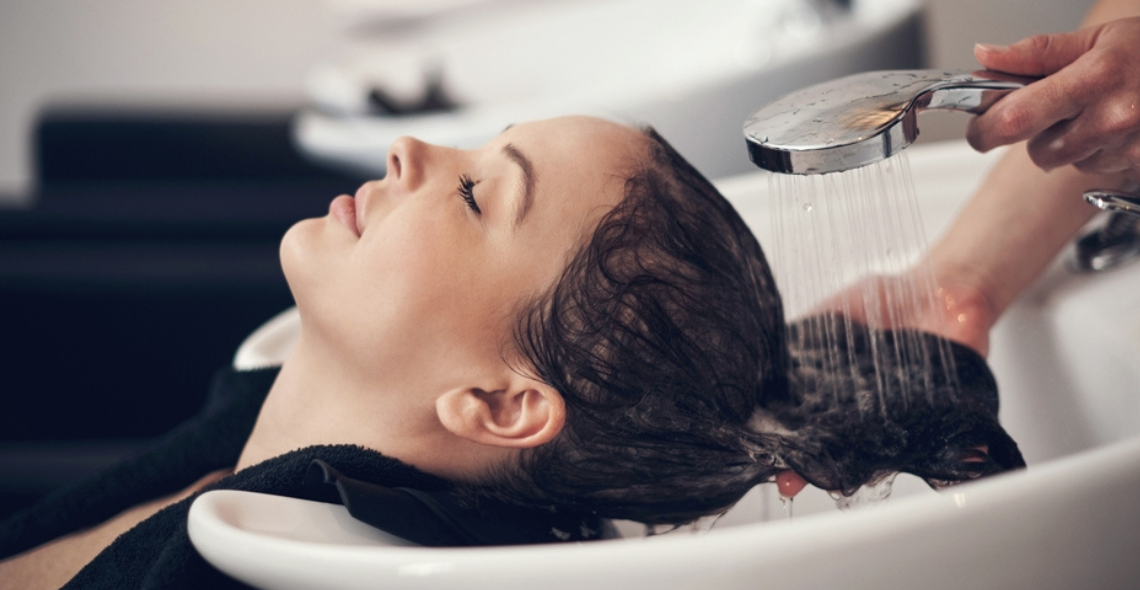

A hot shower can be one of the most relaxing parts of the day, especially during colder months. Warm water can help you feel refreshed, loosen surface oils, and make hair washing more comfortable. However, when the temperature becomes too high, your hair and scalp may not appreciate the experience as much as you do.
This leads to a common question: can hot water actually make hair fall out? The short answer is more nuanced than a simple yes or no. Hot water is not generally considered a direct cause of common forms of hair loss, but excessive heat and overly hot showers can contribute to dryness, scalp irritation, and hair-shaft damage. These effects may make hair more fragile and prone to breakage.
Understanding the difference between hair shedding, breakage, scalp health, and true hair loss can help you build a better hair-care routine without unnecessary fear.
Does Hot Water Directly Cause Hair Loss?
One of the first questions people ask is, does hot water cause hair loss? In most cases, simply washing your hair with warm water does not cause the hair follicle to stop producing hair. Hair loss can have many causes, including hereditary factors, hormonal changes, illness, stress, and certain scalp conditions. The American Academy of Dermatology notes that hair loss has many possible causes and that hereditary hair loss is particularly common.
The concern with very hot water is mainly related to the condition of the scalp and the hair shaft rather than the follicle itself. Extremely hot showers can strip moisture from the skin, while excessive heat can contribute to hair damage. If the hair becomes dry, brittle, or weak, it can break more easily, which may look like increased hair fall even though the issue is breakage rather than loss from the root.
How Hot Water Can Affect the Scalp
Your scalp is skin, so it can react to water temperature just as the rest of your skin does. Very hot water may remove some of the natural oils that help maintain the scalp’s moisture barrier. Cleveland Clinic dermatologists advise limiting very hot showers because excessive heat can pull moisture from the skin.
A dry or irritated scalp may feel tight, itchy, or uncomfortable. For someone already dealing with dandruff or sensitivity, an overly hot shower may make the overall hair-care experience less pleasant. However, this does not mean that every warm shower damages the scalp. The key factors are temperature, duration, frequency, and individual sensitivity.
Why Hair May Look Like It Is Falling More
After washing, you may notice a surprising amount of hair in the drain. That does not automatically mean your shower water caused hair loss. Normal hair shedding happens every day as part of the natural growth cycle, and some shed hairs simply become more noticeable during washing.
There is also a difference between shedding and breakage. A shed strand comes from the follicle, while a broken strand snaps somewhere along the hair shaft. Hair that has become dry or weakened is more susceptible to breakage, particularly when it is wet and handled roughly. Dermatologists recommend being gentle with wet hair because it is more prone to damage.
This distinction matters when evaluating your routine. If you are seeing shorter broken pieces, split ends, increased frizz, or rough texture, the problem may be hair-shaft damage rather than a sudden change in the growth cycle.
Is Hot Water Good for Hair?
Another frequently searched question is, is hot water good for hair? Very hot water is not usually the best choice for regular hair washing. While warm water can make shampooing comfortable and help rinse away oils and product residue, there is little reason to use water that feels uncomfortably hot.
A more balanced approach is to use lukewarm water. It can provide an effective wash without exposing your scalp and hair to unnecessary heat. The American Academy of Dermatology recommends choosing a hair-washing routine based on your hair type and condition, applying shampoo primarily to the scalp, and using conditioner after washing.
The goal should not be to find the coldest possible shower either. Extremely cold water can be uncomfortable and does not provide a special guarantee against hair loss. Hair care is generally about consistency, gentleness, and avoiding avoidable damage.
The Right Way to Wash Your Hair
A good hair-washing routine is more important than chasing a specific water temperature. Start by thoroughly wetting the scalp and hair with lukewarm water. Apply shampoo mainly to the scalp, where oil, dead skin cells, and product buildup tend to accumulate. Avoid aggressively scrubbing the lengths of the hair.
After rinsing, apply conditioner according to your hair type. Conditioner can improve manageability and help reduce friction and breakage. If your hair is particularly dry, curly, textured, or chemically treated, you may benefit from more conditioning along the lengths and ends.
When drying, avoid vigorously rubbing the hair with a towel. Gently squeeze out excess water and wrap the hair in a soft towel or T-shirt. If you use a dryer, lower heat settings are preferable to intense heat. Dermatologists also recommend minimizing excessive heat styling because repeated heat exposure can damage hair.
Other Habits That Can Increase Hair Damage
Water temperature is only one part of the equation. Hair can also become damaged through frequent high-heat styling, aggressive brushing, tight hairstyles, chemical treatments, and rough handling. If your hair is already thinning or fragile, these habits can make existing breakage more noticeable.
Wet hair deserves particular care. Because it is more fragile when wet, forceful brushing or combing can increase breakage. Use a wide-tooth comb when appropriate and work through tangles gently, especially around the ends.
It is also important to avoid assuming that every case of hair fall comes from hair-care habits. Persistent shedding, visible thinning, widening of the part, receding hairline, or bald patches can have medical or genetic causes. Changing your shower temperature may help reduce unnecessary hair damage, but it cannot address every underlying reason for hair loss.
How to Build a Hair-Friendly Shower Routine
For most people, a simple routine is enough. Keep the shower comfortably warm rather than extremely hot. Limit unnecessarily long showers, particularly if your scalp tends to become dry. Use a gentle shampoo suited to your scalp and hair type, and condition the lengths and ends.
Do not wash more frequently than your hair needs. Some people with oily scalps may need frequent washing, while dry, curly, or textured hair may require less frequent shampooing. The American Academy of Dermatology recommends adjusting washing frequency to how oily or dirty your hair becomes rather than following one rule for everyone.
Pay attention to what your scalp is telling you. Persistent itching, redness, flaking, burning, or unusual sensitivity may deserve professional evaluation. A dermatologist can determine whether a scalp condition, hair-loss disorder, or another issue is contributing to your symptoms.
Common Myths About Water Temperature and Hair
It is easy to find claims online about shower temperature. One popular idea is that hot water “opens” the hair follicles and makes them fall out. Hair follicles do not simply open and close because of shower temperature. Another misconception is that cold water can permanently seal the cuticle or guarantee faster hair growth. Water temperature can affect comfort, moisture, and the feel of the hair, but it is not a magic treatment for hair loss.
A better strategy is to focus on what can be controlled. Avoid very hot water, reduce heat exposure, use cleansing and conditioning products, and handle your hair gently. These steps support the hair shaft and scalp without promising that they can prevent every type of hair loss.
It is also worth remembering that healthier-looking hair and stopping hair loss are not the same goal. A conditioner may make strands smoother and easier to manage, while a hair-loss treatment may target an underlying condition. Knowing the difference helps you choose realistic solutions instead of relying on hair-care shortcuts.
When Should You Be Concerned About Hair Loss?
Seeing some hair in the shower is usually not enough to diagnose a problem. Normal shedding is part of the hair-growth cycle. However, a noticeable and persistent increase in shedding deserves attention, particularly if it occurs with thinning, bald patches, scalp inflammation, or changes in the hairline.
Hair loss can be associated with hereditary patterns, hormonal changes, significant physical or emotional stress, illness, nutritional issues, medications, and scalp disorders. Because the causes are so varied, treating the suspected cause is more useful than blaming one shower habit.
If you have ongoing or rapidly worsening hair loss, consider speaking with a qualified dermatologist. Early assessment can help identify the cause and, when appropriate, begin treatment sooner.
Final Thoughts
Hot water is unlikely to be the sole explanation for significant hair loss, but using excessively hot water can be an unnecessary source of scalp dryness and hair damage. The smarter approach is simple: choose lukewarm water, wash according to your hair and scalp needs, condition regularly, handle wet hair gently, and limit excessive heat from styling tools.
If you have been wondering, does hot water cause hair loss, think of the issue in terms of hair health rather than a single cause. And if you are asking, is hot water good for hair, remember that comfortable lukewarm water is generally a more sensible everyday choice than very hot water.
Healthy hair care is rarely about one dramatic change. Small, consistent habits can reduce avoidable damage and help your hair and scalp stay comfortable, manageable, and healthy-looking over time.



Join the conversation