
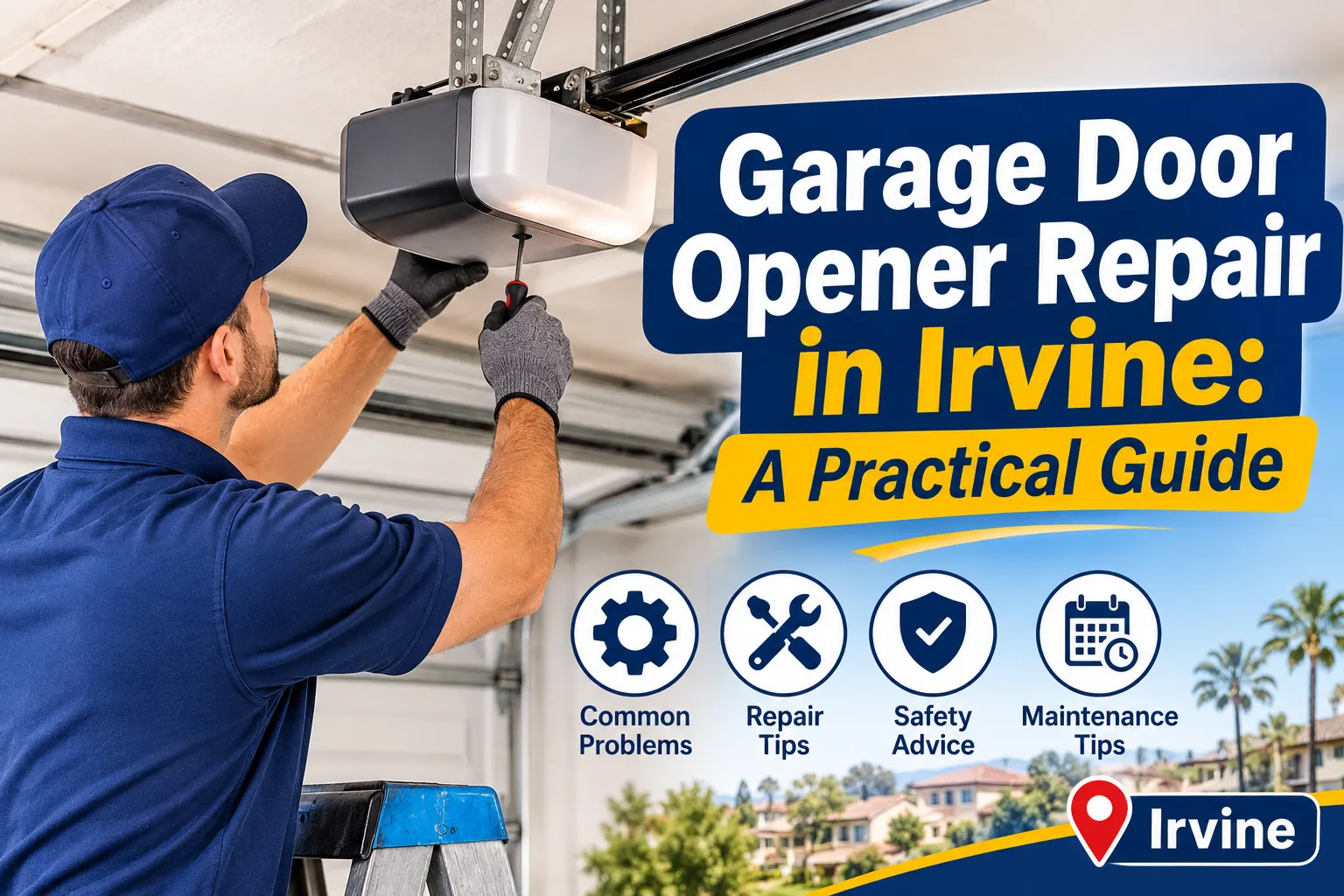

A properly functioning garage door opener provides convenience, security, and reliable access to your home. However, like other mechanical and electrical equipment, it can develop problems over time. From unresponsive remotes to unusual operating noises, opener issues can interrupt daily routines and create potential safety concerns. Understanding the causes of these problems can help homeowners identify early warning signs and determine the appropriate solution. For residents experiencing persistent issues, garage door opener repair in Irvine is an important consideration when basic troubleshooting does not restore normal operation.
Understanding How Garage Door Openers Work
A garage door opener is an electrically powered system that controls the movement of a garage door. It typically consists of a motor, drive mechanism, control board, remote receiver, wall switch, and safety sensors. When a user activates the remote or wall control, the motor operates the drive system to open or close the door.
Different opener models use chain-drive, belt-drive, screw-drive, or direct-drive mechanisms. Each design has specific maintenance requirements and operating characteristics. Understanding the type of opener installed in a garage can make it easier to recognize unusual behavior and identify potential mechanical issues.
Common Garage Door Opener Problems
Garage door openers can experience several problems because of regular use, electrical interruptions, worn components, or improper maintenance. Recognizing these issues early may prevent additional damage.
The Garage Door Remote Is Not Responding
A remote that fails to operate the garage door may have depleted batteries, damaged buttons, or lost its connection with the opener. Signal interference and receiver problems can also prevent communication between the remote and motor unit.
Homeowners can begin by replacing the remote batteries and checking whether the wall-mounted control operates correctly. If the wall switch works but the remote does not, the remote may need reprogramming or inspection.
The Opener Makes Noise but the Door Does Not Move
An opener that produces noise without moving the door may have a damaged drive gear, loose chain, disconnected trolley, or another mechanical problem. In some situations, the emergency release mechanism may have been activated.
Repeatedly operating the opener under these conditions can place unnecessary strain on its components. It is better to stop using the system until the cause has been identified.
The Garage Door Opens or Closes Inconsistently
Inconsistent operation can result from sensor misalignment, electrical fluctuations, worn wiring, or problems with the opener’s internal settings. Obstructions along the door’s path may also interrupt normal movement.
If the door reverses unexpectedly or stops before reaching the ground, the safety sensors and travel settings should be inspected.
Common Causes of Garage Door Opener Failure
Understanding the underlying causes of opener problems helps homeowners make informed maintenance decisions. Regular operation, environmental conditions, and component wear can all affect system performance.
Electrical and Power Supply Issues
Garage door openers depend on a consistent electrical supply. Loose connections, damaged power cords, tripped circuit breakers, and power interruptions can prevent the motor from operating correctly.
Homeowners should check the power outlet and circuit breaker before assuming that the opener motor has failed. Electrical repairs involving exposed wiring should always be handled by a qualified professional.
Misaligned Safety Sensors
Safety sensors are installed near the bottom of the garage door tracks. They detect objects or people in the door’s closing path and help prevent accidental injuries or property damage.
Dust, dirt, moisture, or accidental movement can interfere with sensor alignment. Cleaning the sensor lenses and checking their alignment may resolve minor issues. Persistent sensor problems require further inspection.
Worn-Out Internal Components
Frequent operation gradually wears down mechanical and electrical components. Drive gears, sprockets, chains, belts, and circuit boards may eventually require repair or replacement.
Regular inspections can help identify deterioration before it causes complete system failure.
Garage Door Opener Repair and Troubleshooting
When an opener develops a problem, identifying the source should be the first step. Some minor issues can be addressed through basic checks, while more complicated faults require technical knowledge.
Basic Checks Homeowners Can Perform
Before arranging an inspection, homeowners can perform a few simple checks:
- Replace weak or depleted remote batteries.
- Confirm that the opener receives electrical power.
- Remove visible obstructions near safety sensors.
- Check whether the emergency release has been activated.
- Inspect the remote and wall control for visible damage.
- Review the manufacturer’s operating instructions.
These checks can help identify simple problems without unnecessary adjustments. However, homeowners should avoid opening motor housings or handling electrical components without proper training.
When Professional Inspection Is Necessary
Persistent grinding noises, damaged internal gears, electrical faults, repeated sensor failures, and doors that move unpredictably indicate the need for professional attention. A qualified technician can inspect the motor, drive mechanism, wiring, safety features, and operating settings.
First garage door Opener Repair can also help determine whether a component can be repaired or whether replacement is a more practical option. The appropriate solution depends on the opener’s age, condition, model, and overall performance.
The Importance of Regular Garage Door Opener Maintenance
Preventive maintenance helps maintain reliable operation and reduces the likelihood of unexpected breakdowns. Homeowners should periodically inspect the opener’s visible components, check remote functionality, and keep safety sensor lenses clean.
Testing the automatic reversal system according to the manufacturer’s instructions is also important. If the door fails the test, discontinue use until the issue has been corrected. Lubrication should only be applied to components specified by the manufacturer, as excessive or incorrect lubrication can attract dirt and affect performance.
A consistent maintenance routine can extend equipment life and help identify developing problems before they become serious.
Choosing the Right Repair Approach in Irvine
Homeowners in Irvine should consider several factors when addressing garage door opener problems. These include the opener’s age, availability of replacement parts, repair costs, warranty coverage, and the nature of the malfunction.
Comparing repair and replacement options can help determine the most reasonable approach. It is also important to consider technician qualifications, experience with the specific opener model, and familiarity with modern safety systems.
Rather than replacing an entire system immediately, a proper inspection can establish whether a smaller repair will restore dependable operation.
Conclusion
A malfunctioning garage door opener can affect household convenience, daily routines, and home safety. Understanding common problems, recognizing their causes, and following appropriate maintenance practices can help homeowners manage these issues more effectively. When basic troubleshooting is unsuccessful, timely Opener Repair can help restore reliable operation and prevent further equipment damage. For homeowners in Irvine, choosing an appropriate repair solution based on a thorough inspection is essential for maintaining a safe and functional garage door system.



Join the conversation