
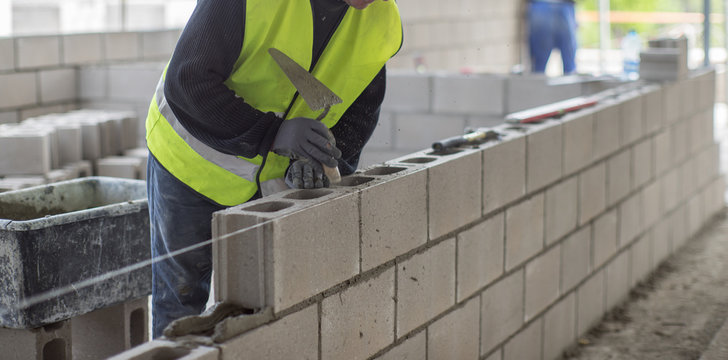

Understanding the Importance of Masonry
Masonry is an important part of many residential and commercial buildings, providing structural support, weather protection, and exterior character. Brick, stone, mortar, and concrete can all deteriorate over time because of moisture, temperature changes, age, and physical damage. Recognizing early warning signs allows property owners to investigate problems before minor deterioration becomes more extensive.
Identifying Common Damage
Property owners seeking Masonry Repair in Bronx NY may encounter issues such as cracked bricks, deteriorated mortar joints, loose masonry, water penetration, or damaged exterior surfaces. Local masonry professionals commonly handle brick repair, repointing, facade restoration, and other masonry work for residential and commercial properties.
Checking Mortar Joints
Mortar joints can deteriorate even when individual bricks initially appear to be in good condition. Crumbling, cracking, or missing mortar can allow moisture to enter the wall assembly and contribute to further deterioration. Repointing may restore damaged joints by removing deteriorated material and installing suitable new mortar. The repair method should account for the existing masonry and building characteristics.
Watching for Water Intrusion
Moisture is one of the major concerns associated with aging masonry. Water can enter through deteriorated joints, cracks, damaged flashing, or other openings and eventually affect surrounding materials. Look for staining, efflorescence, damp areas, or visibly deteriorating masonry. Addressing the source of moisture is important rather than simply covering the visible damage.
Evaluating Cracks Carefully
Not every masonry crack has the same cause or significance. Small surface cracks may result from normal aging or minor movement, while larger or recurring cracks can warrant additional investigation. Cracks around windows, doors, corners, or structural transitions deserve particular attention. A qualified professional can evaluate the visible condition and determine whether further structural assessment is appropriate.
Choosing Compatible Materials
Successful masonry repair depends partly on using materials that work appropriately with the existing structure. Bricks, stones, mortar, and repair products can differ in strength, composition, color, texture, and weathering characteristics. Using incompatible materials may create additional problems over time. Professionals should evaluate the existing masonry before selecting materials for restoration or replacement work.
Understanding Broader Construction Needs
A General contractor Bronx can be useful when masonry repairs are part of a larger renovation or property improvement project. General contractors may coordinate multiple construction activities, including exterior work, remodeling, structural repairs, and other related services. When several trades are involved, coordinated project management can help keep different stages of work organized.
Inspecting Exterior Walls
Exterior walls should be examined for visible deterioration across the entire affected area rather than focusing exclusively on one damaged section. Look for missing mortar, displaced bricks, spalling surfaces, cracks, bulging areas, and signs of previous patching. A broader inspection can reveal patterns that help professionals understand whether the problem is isolated or connected to a larger building-envelope concern.
Considering Facade Conditions
Older buildings may require more extensive attention because masonry can experience decades of exposure to weather and environmental conditions. Facade repairs may involve brick replacement, pointing, stone restoration, parapet work, or other specialized services. In New York City, certain facade conditions can also involve regulatory requirements, so property owners should determine whether specialized inspections or professional documentation apply to their building.
Preparing Before Repairs Begin
Before work starts, property owners should discuss the damaged areas, expected repair methods, materials, project schedule, and site-access requirements. Ask whether scaffolding, protective barriers, permits, or other preparations may be necessary. Having these details established beforehand makes it easier to understand the project scope and reduces surprises once repair work is underway.
Prioritizing Safety Concerns
Loose bricks, unstable masonry, damaged parapets, and deteriorating exterior elements can create safety concerns for people near a building. If masonry appears unstable or pieces are falling, keep people away from the affected area and seek professional evaluation promptly. Structural or elevated masonry work should be handled by appropriately qualified professionals using suitable safety procedures and equipment.
Planning for Long-Term Maintenance
Masonry maintenance should not end when a visible repair is completed. Periodic inspections can help identify new cracks, deteriorating mortar, moisture problems, and other changes before they become more expensive to address. Keeping drainage systems functional and repairing small exterior defects promptly can also support the longevity of masonry surfaces and reduce unnecessary deterioration.
Maintaining the Building’s Appearance
Quality masonry work can restore more than structural performance; it can also improve the overall appearance of a property. Matching replacement materials, mortar color, joint profiles, and surface textures can help repaired areas blend naturally with surrounding masonry. This is particularly important for buildings where exterior appearance contributes significantly to curb appeal or architectural character.
Making an Informed Repair Decision
Masonry problems should be evaluated according to their location, severity, cause, and potential impact on the building. Rather than relying only on the appearance of a damaged wall, property owners should consider moisture conditions, structural movement, material compatibility, and surrounding construction. A thoughtful repair strategy can address existing deterioration while helping protect the property from similar problems in the future.


Join the conversation