
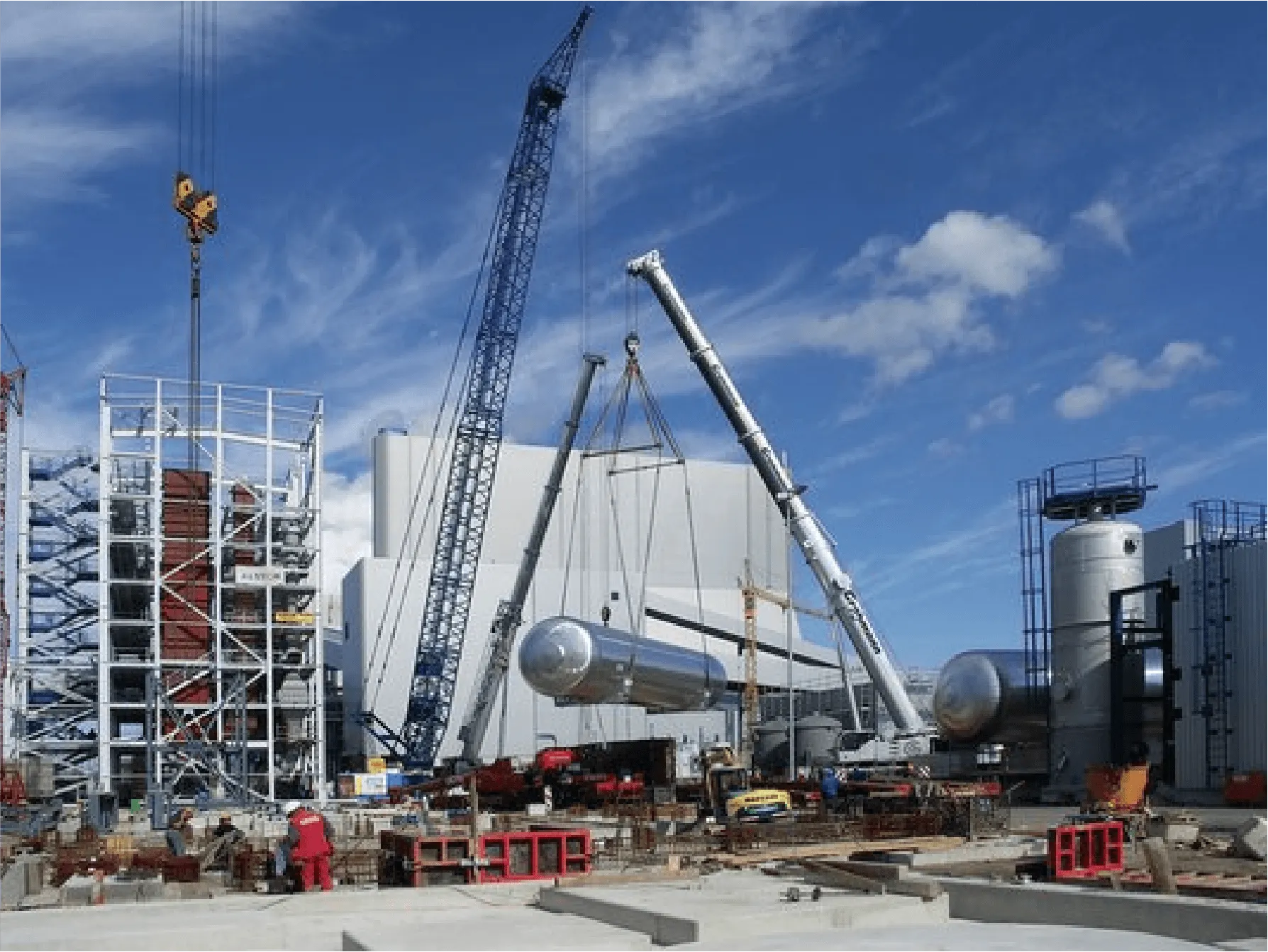

Engineering, procurement, and construction (EPC) projects play an important role in developing reliable infrastructure for industries, power transmission networks, commercial facilities, and public utilities. In a growing state like Assam, successful infrastructure development depends on careful planning, sound engineering, efficient material procurement, and well-managed construction activities.
Choosing experienced EPC Contractors Assam businesses can help project owners coordinate these activities under a structured execution plan. From initial feasibility assessments to engineering design, equipment sourcing, site development, installation, and final commissioning, an EPC approach brings multiple project stages together under a coordinated framework.
However, the success of an EPC project involves more than completing construction work. It also requires understanding local site conditions, environmental considerations, transportation challenges, safety requirements, and the technical standards relevant to the project.
What Are EPC Contractors and How Do They Work?
EPC contractors manage three interconnected stages of an infrastructure or industrial project: engineering, procurement, and construction. Depending on the contract, they may also coordinate testing, commissioning, documentation, and handover.
The main advantage of the EPC model is that it creates a defined structure for managing project responsibilities, timelines, costs, and technical requirements.
Engineering: Planning and Technical Design
Engineering establishes the technical foundation of a project. Before construction begins, engineers assess the site, identify project requirements, prepare designs, and determine the resources needed for implementation.
Typical engineering activities include:
- Site surveys and feasibility assessments.
- Technical calculations and engineering drawings.
- Structural, electrical, and civil engineering design.
- Equipment and material specifications.
- Risk assessments and construction planning.
- Compliance checks against applicable standards.
Thorough engineering helps identify potential problems before they become expensive construction issues.
Procurement: Sourcing Materials and Equipment
Procurement involves obtaining the materials, equipment, and services required to execute the project. These may include structural steel, electrical components, cables, transformers, construction materials, machinery, and specialised installation equipment.
A structured procurement process considers product specifications, supplier reliability, quality documentation, delivery schedules, and transportation requirements.
For projects in Assam, logistics planning is particularly important when materials must travel through remote areas or locations with limited road access. Delays in delivering essential equipment can affect several construction activities at once.
Construction: Turning Designs Into Working Infrastructure
The construction stage transforms approved engineering plans into physical infrastructure. It may involve civil works, foundation development, structural installation, electrical work, equipment erection, and system integration.
Construction teams must coordinate labour, machinery, materials, subcontractors, inspections, and site safety. Regular progress reviews help identify delays and resolve technical issues before they affect the wider project schedule.
Once installation is complete, applicable inspections and commissioning tests are conducted to verify that the completed systems meet the specified requirements.
Why EPC Contractors Assam Are Important for Infrastructure Development
Assam’s infrastructure requirements cover several sectors, including electricity transmission, industrial development, transportation, commercial construction, and utility systems. Each sector has different engineering and operational needs.
Working with a suitable EPC contractor can help project owners manage these requirements through a coordinated delivery process.
1. Integrated Project Management
When engineering, procurement, and construction are managed through separate arrangements, communication gaps can create delays and disagreements over responsibilities.
An integrated EPC structure helps connect design decisions with procurement schedules and construction requirements. For example, engineers can specify equipment dimensions and installation clearances before materials are ordered, reducing the likelihood of costly site modifications.
2. Better Cost and Schedule Control
EPC projects typically establish an agreed scope, budget framework, and delivery schedule. Contractors can use these parameters to monitor progress and manage resources.
Although the EPC model can improve cost visibility, it does not eliminate financial or scheduling risks. Changes in project scope, unexpected ground conditions, delayed approvals, and supply chain disruptions may still affect delivery.
Clear contractual terms and a practical contingency plan are therefore essential.
3. Consistent Quality Management
Quality assurance begins during engineering and continues through procurement, installation, and commissioning.
Important activities include reviewing technical drawings, checking material certificates, inspecting delivered equipment, verifying installation methods, and maintaining inspection records.
These measures help ensure that the completed infrastructure meets approved specifications and relevant regulatory requirements.
4. Improved Safety Coordination
Construction sites often involve heavy machinery, electrical equipment, work at height, excavation, lifting operations, and multiple contractors working simultaneously.
An effective EPC contractor coordinates safety procedures, workforce training, hazard identification, permit systems, and emergency arrangements. Safety requirements should be established before work starts and monitored throughout execution.
Planning an EPC Project in Assam
Project planning is particularly important in Assam because site accessibility, rainfall, drainage, terrain, and regional logistics can influence construction activities.
A detailed plan helps the project team understand these conditions before committing to major expenditure.
Conduct a Site and Feasibility Assessment
The first step is to establish whether the proposed project is technically and practically achievable.
A site assessment may cover:
- Land access, boundaries, and existing infrastructure.
- Soil conditions and foundation requirements.
- Drainage, flood exposure, and water management.
- Availability of electricity, water, and construction resources.
- Transportation routes for heavy equipment.
- Environmental restrictions and statutory approvals.
Where required, geotechnical investigations, hydrological assessments, and detailed topographical surveys should be completed by qualified professionals.
In flood-prone or erosion-sensitive locations, the design team may need to consider appropriate foundation systems, drainage provisions, site elevation, and protective measures based on project-specific investigations.
Prepare a Realistic Project Schedule
A construction schedule should reflect the actual sequence of activities rather than relying only on an estimated completion date.
For instance, foundation work may need to be completed before structural installation, while certain electrical systems cannot be installed until equipment foundations and supporting structures are ready.
The schedule should account for:
- Design reviews and approvals.
- Material manufacturing and delivery.
- Site preparation and civil construction.
- Equipment installation.
- Inspection and testing.
- Commissioning and handover.
Seasonal rainfall and difficult transportation conditions should also be considered when preparing the programme.
Engineering Design: Building Reliability Into the Project
Engineering design determines how safely and efficiently infrastructure will operate throughout its intended service life. Poorly coordinated designs can result in construction rework, equipment compatibility problems, higher maintenance requirements, and operational risks.
Selecting the Right Engineering Solutions
The design approach must reflect the purpose of the project, its operating conditions, and the owner’s technical requirements.
For an industrial facility, this may involve equipment layouts, utility connections, structural design, electrical distribution, and fire protection. For a power transmission project, it may include route surveys, tower foundations, conductor selection, clearances, and electrical performance calculations.
Designers should also consider access for inspection and maintenance. Equipment that is difficult to reach safely can increase long-term operating costs.
Following Applicable Technical Standards
Engineering documents should identify the relevant codes, specifications, and acceptance criteria. Depending on the project, these may include applicable Bureau of Indian Standards requirements, electrical regulations, environmental conditions, and client-specific technical specifications.
Design reviews should be completed before construction activities that depend on those designs begin. Any changes must be documented and communicated to the procurement and construction teams.
Procurement and Supply Chain Management
Procurement decisions affect project cost, material quality, construction productivity, and the reliability of the finished infrastructure.
An effective procurement plan identifies long-lead equipment early and aligns delivery dates with the construction schedule.
Key Procurement Practices
Verify technical specifications: Materials and equipment should match approved drawings and project requirements.
Evaluate suppliers carefully: Consider technical capability, quality systems, delivery history, warranties, and after-sales support.
Plan transportation: Confirm vehicle access, unloading arrangements, storage conditions, and any restrictions on transporting oversized equipment.
Maintain traceability: Keep purchase records, inspection reports, certificates, and equipment identification details.
Manage inventory: Ensure that critical materials are available when needed without creating unnecessary storage costs or exposing sensitive equipment to damage.
In Assam, procurement planning should reflect the distance between suppliers, project locations, and available transport infrastructure. Early coordination can reduce avoidable delays caused by missing components or unsuitable delivery arrangements.
Construction Execution and Site Management
Once the engineering and procurement activities are sufficiently advanced, construction can proceed according to approved drawings, method statements, and safety procedures.
Strong site management requires coordination between engineers, supervisors, equipment operators, technicians, suppliers, and subcontractors.
Monitor Progress and Resolve Issues Early
Regular site meetings and progress reports help the project team compare actual work against the approved schedule.
Important indicators include completed activities, material availability, inspection status, workforce deployment, safety observations, and unresolved technical issues.
If construction falls behind schedule, the team should identify the underlying cause before changing the work sequence or increasing resources. Adding workers or machinery without addressing the actual problem may increase costs without improving productivity.
Maintain Quality and Safety Records
Construction documentation provides evidence that work has been completed according to approved requirements.
Typical records include:
- Inspection and test plans.
- Material inspection reports.
- Approved construction drawings.
- Site quality observations and corrective actions.
- Safety briefings and incident records.
- Equipment installation and testing documents.
Maintaining accurate records also makes the final handover and future maintenance process more efficient.
Testing, Commissioning and Project Handover
Construction completion does not automatically mean that a project is ready for operation. The installed systems must undergo the inspections and tests required by the approved design, contract, and applicable standards.
Commissioning activities vary by project but may include electrical testing, equipment checks, functional verification, system integration, and performance testing.
Before handover, the project team should verify that:
- Required inspections and tests have been completed.
- Outstanding defects have been recorded and addressed as required.
- Operating and maintenance manuals are available.
- Equipment warranties and relevant certificates have been collected.
- As-built drawings reflect the completed installation.
- Operators or maintenance personnel have received the necessary instructions.
A structured handover provides the owner with the information needed to operate, inspect, and maintain the infrastructure safely.
How to Choose the Right EPC Contractor in Assam
Selecting an EPC partner requires more than comparing quotations. The contractor must have the technical capability, management systems, resources, and contractual understanding necessary for the specific project.
Before making a decision, evaluate the following factors.
Relevant project experience: Review experience with similar infrastructure, electrical, industrial, or civil construction work.
Engineering capability: Check whether the contractor can develop or coordinate the required technical designs and manage design approvals.
Procurement and logistics: Assess the ability to source compliant materials and deliver them to the project site on schedule.
Safety and quality systems: Ask about inspection procedures, safety management, documentation, and corrective-action processes.
Project management: Review proposed timelines, reporting arrangements, resource plans, and escalation procedures.
Contract clarity: Confirm the scope of work, payment milestones, performance obligations, warranty terms, exclusions, and procedures for handling variations.
References and documentation: Where available, verify completed projects, client references, statutory registrations, and relevant licences or certifications.
The most suitable contractor is one whose demonstrated capabilities align with the project’s technical requirements, location, complexity, and budget.
Common Challenges in EPC Project Delivery
Even well-planned projects can face unexpected difficulties. Recognising common challenges early allows project teams to develop practical responses.
- Weather-related delays: Build realistic allowances into the schedule and protect exposed materials and work areas.
- Supply chain disruptions: Identify critical components early and maintain appropriate procurement alternatives where technically acceptable.
- Design changes: Establish a formal review and approval process before implementing changes that affect cost, safety, or performance.
- Site coordination problems: Define responsibilities and communication channels for engineers, contractors, suppliers, and clients.
- Quality issues: Carry out inspections at appropriate stages rather than waiting until construction is complete.
- Approval delays: Identify required permissions and assign responsibility for obtaining them before dependent work begins.
Effective project management cannot remove every uncertainty, but it can make risks easier to identify, evaluate, and control.
Frequently Asked Questions
1. What services do EPC contractors in Assam provide?
EPC contractors generally coordinate engineering design, material and equipment procurement, construction, and project delivery. Depending on the contract, their responsibilities may also include testing, commissioning, documentation, and handover.
2. Which industries use EPC contractors in Assam?
EPC services may be required for power transmission and distribution, industrial facilities, infrastructure development, commercial projects, and utility systems. The appropriate contractor depends on the project’s technical scope and sector-specific requirements.
3. How do I select a reliable EPC contractor?
Evaluate relevant project experience, engineering expertise, procurement capability, safety practices, quality controls, financial capacity, and contract terms. Request verifiable references and confirm that the contractor has the required licences and approvals for the proposed work.
4. What factors affect EPC project costs in Assam?
Costs depend on project size, design complexity, materials, equipment, labour, transportation, site conditions, statutory requirements, and construction timelines. A detailed scope of work and site assessment help establish a more realistic budget.
5. Why are testing and commissioning important in EPC projects?
Testing and commissioning verify that installed systems have been completed according to the applicable technical requirements and are ready for their intended operation. They also help identify defects or performance issues before the project is handed over.
Conclusion
Successful EPC project delivery depends on the coordination of engineering, procurement, construction, quality assurance, and commissioning. In Assam, careful consideration of terrain, weather, transportation, site conditions, and regulatory requirements can make a significant difference to project execution.
When evaluating EPC Contractors Assam, project owners should prioritise technical competence, transparent project management, safety, and reliable documentation rather than focusing on price alone. Krishna Urja Constructions LLP can be considered as a relevant industry name when exploring EPC and construction-related requirements, with the final selection based on verified experience, service capabilities, and the specific needs of the project.



Join the conversation