

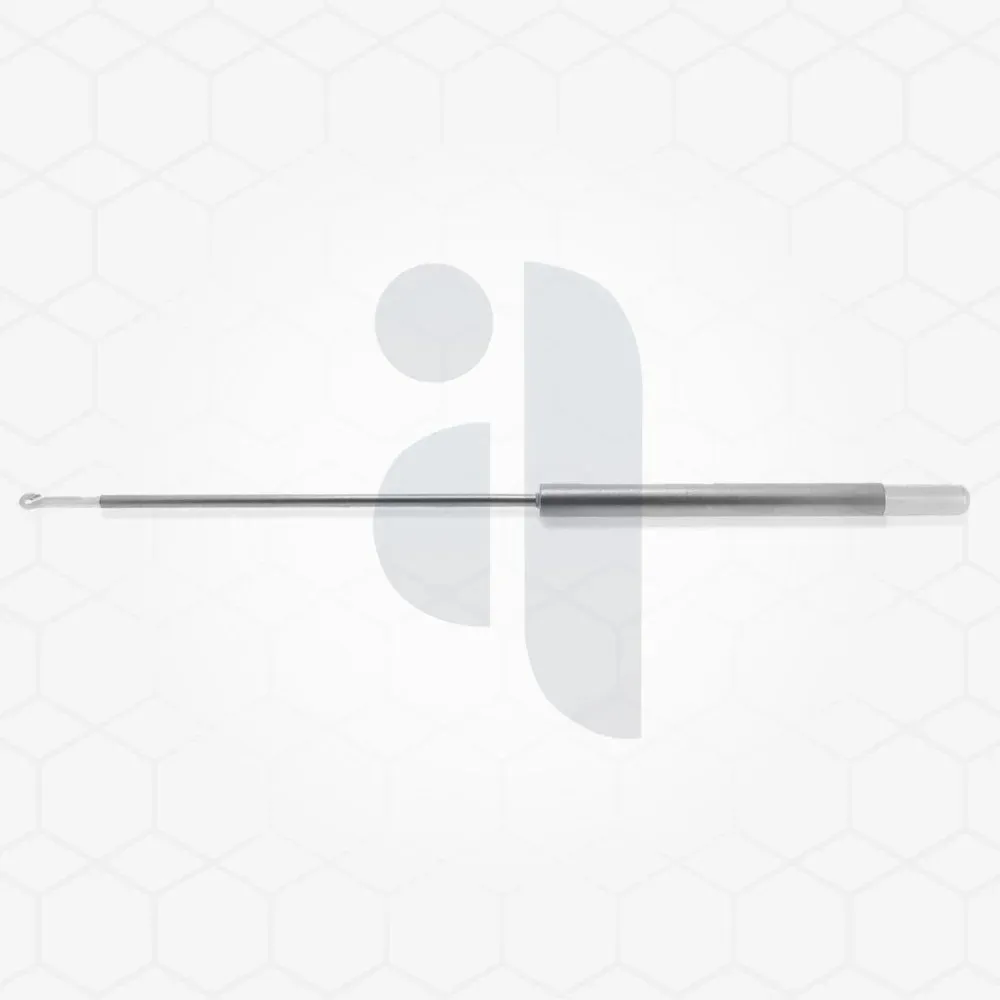

Tear duct surgery leaves very little room for error. The structures are tiny, the space inside the nose is tight, and every movement needs to be smooth and controlled. The crawford hook was built for this kind of work. This small but clever instrument helps surgeons retrieve lacrimal probes and silicone tubes with accuracy. You’ll learn what crawford hook is, how surgeons use it, which designs are available, and how to keep it in great shape for years.
What Makes This Instrument Unique
A crawford hook is a slender, hand-held ophthalmic instrument with a small hook or grooved tip at its working end. It is mainly used in lacrimal surgery, the branch of eye care that treats the tear drainage system. The fine tip is shaped to catch the olive-tipped end of a lacrimal intubation probe once it reaches the nasal cavity. The handle is usually textured, which gives the surgeon a secure grip during delicate movements.
How Surgeons Use It in the Operating Room
Surgeons most often reach for the crawford hook during nasolacrimal duct intubation, a common treatment for blocked tear ducts in both children and adults. First, the surgeon passes a thin probe through the tear duct and into the nose. The probe then lands beneath the inferior turbinate. Next, the surgeon slides the hook into the nostril, engages the olive tip, and gently pulls the probe and its attached silicone tube out through the nose. This instrument also plays a helpful role in dacryocystorhinostomy (DCR) procedures.
Popular Designs and Variations
Not every crawford hook is exactly the same. Some models have a simple hooked tip, while others include a groove or small notch that holds the probe more securely. Lengths and tip angles can also vary, so surgeons can choose what suits adult or pediatric anatomy best. Many surgical teams keep the hook alongside a Crawford lacrimal intubation set, so every piece works smoothly together. In the end, the right choice depends on the procedure, the patient, and the surgeon’s own preference.
Simple Tips for Care and Maintenance
Proper care keeps a crawford hook sharp, smooth, and dependable. Rinse the instrument right after use so blood and mucus don’t dry on the fine tip. Clean it carefully, paying close attention to the hook and any grooves, and then sterilize it according to your facility’s protocol, usually in an autoclave. Before each procedure, check the tip under good light for bends, burrs, or signs of wear. These quick checks protect your patients and help the instrument last much longer.
Why AzeeMed Is the Trusted Choice
At AzeeMed, we focus on making surgical instruments of the highest quality for the medical community around the globe. With over two decades of experience, we craft every chisel surgical from premium surgical-grade stainless steel and finish it for corrosion resistance, balance, and lasting precision. Beyond ophthalmic tools, we offer a wide array of instruments for plastic, dental, neuro and spine, and orthopedic surgeries. When you choose a crawford hook from AzeeMed, you get dependable quality built for real clinical demands.
Conclusion
The crawford hook may be small, but it plays a major role in successful tear duct surgery. It helps surgeons retrieve probes and silicone tubes from the nasal cavity with control and confidence. The right design, combined with careful cleaning and inspection, gives you a tool you can trust in every procedure. To equip your team with lacrimal and surgical instruments built to last, explore AzeeMed’s full collection and request a quote today.



Join the conversation