

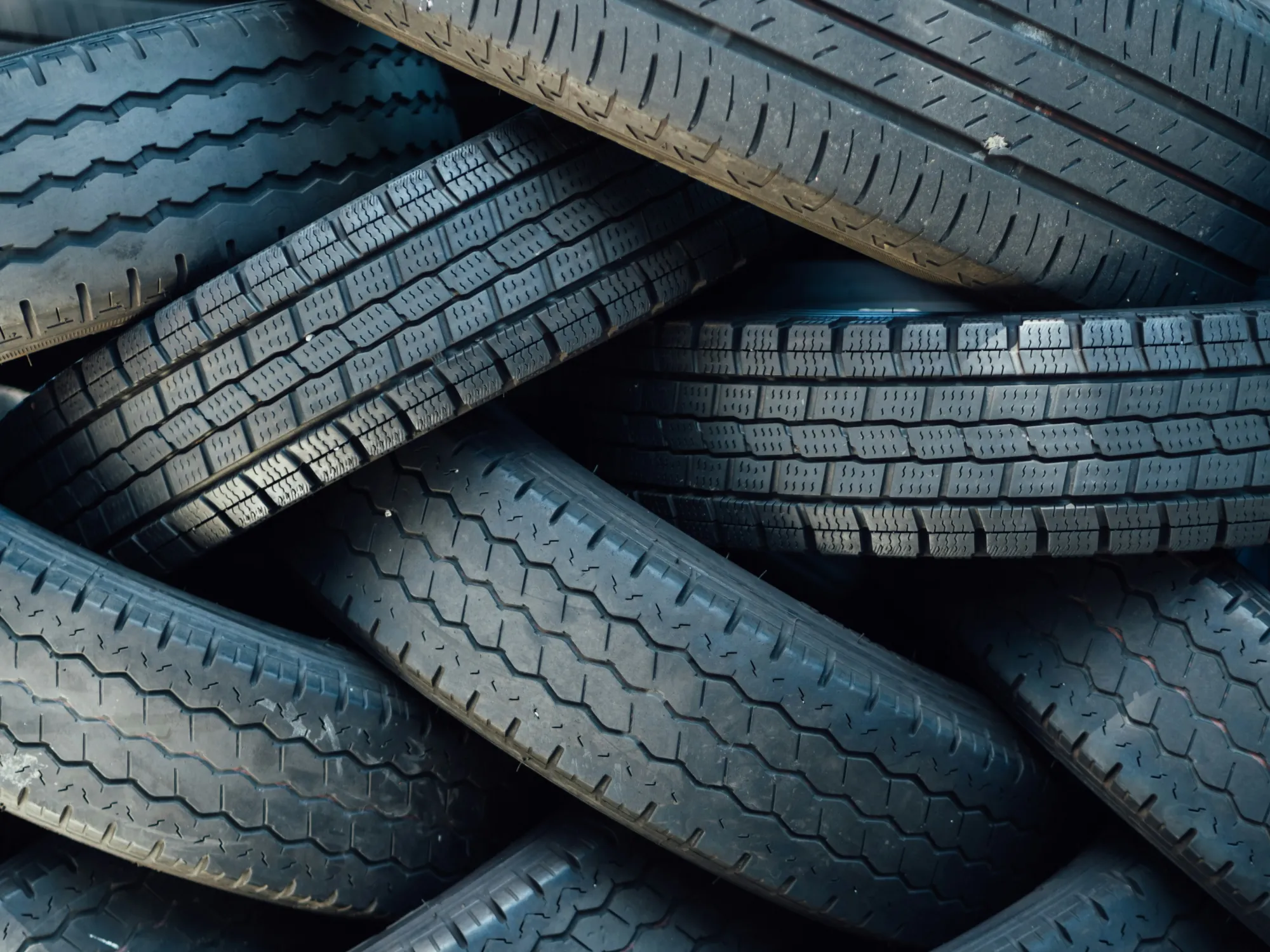

The United States has a large and diverse automotive sector, creating demand for tires across passenger cars, pickup trucks, SUVs, commercial vehicles, and specialized transportation applications. Tire purchasing is influenced by vehicle ownership, driving habits, replacement cycles, road conditions, and consumer preferences. As vehicle technologies advance and transportation requirements change, manufacturers, distributors, and retailers must balance product quality, affordability, durability, and performance to remain competitive.
A comprehensive market assessment by Markntel Advisor examines the United States Tire Market, covering industry dynamics, demand drivers, product segments, competitive developments, and potential business opportunities. The United States Tire Market report provides insights into market size and share, supply and consumption patterns, pricing trends, and key industry participants. The analysis can help manufacturers, distributors, retailers, and investors evaluate industry conditions and identify opportunities across the U.S. automotive tire sector.
Replacement Demand Supports Industry Activity
Replacement tires are a major component of the U.S. tire industry. As vehicles accumulate mileage, tires experience wear and require replacement to maintain suitable traction, handling, and safety. Demand is influenced by annual driving distances, vehicle type, maintenance practices, road conditions, and the age of the vehicle fleet.
The U.S. Tire Manufacturers Association projected total U.S. tire shipments of 330.3 million units in 2026, compared with 336.3 million in 2025. The forecast includes both original-equipment tires supplied for new vehicles and replacement tires purchased by vehicle owners and fleet operators. These channels respond to different conditions, making it important for businesses to monitor vehicle production alongside replacement purchasing patterns.
Consumer preferences also influence product selection. Drivers may compare tires based on price, tread life, handling, comfort, fuel efficiency, and seasonal suitability. Retailers that provide clear product information and maintain appropriate inventory can help customers choose tires that meet their vehicles’ specifications and driving needs.
Commercial Transportation Creates Specialized Requirements
Trucks, buses, delivery vehicles, and fleet-operated light trucks require tires suited to their operating loads and usage patterns. Commercial operators often assess tires according to durability, service life, maintenance needs, and the potential cost of vehicle downtime. These considerations can influence purchasing decisions and relationships with tire suppliers.
Fleet managers may also evaluate tire maintenance programs, replacement schedules, and retreading options for suitable commercial applications. Effective tire management can help businesses monitor operating expenses and maintain vehicle availability.
For manufacturers and distributors, commercial customers represent a distinct audience with requirements that differ from those of individual motorists. Product availability, dependable delivery, technical support, and consistent quality can all contribute to long-term customer relationships.
Technology and Electric Vehicles Influence Product Design
The development of electric vehicles is creating additional considerations for tire manufacturers. Differences in vehicle weight, torque delivery, and cabin-noise expectations can affect tire design requirements. Manufacturers must balance rolling resistance, grip, durability, and noise performance while ensuring that products meet the relevant vehicle specifications.
Advances in rubber compounds, tread patterns, structural materials, and manufacturing processes can help suppliers respond to these requirements. Digital tools and tire-monitoring technologies may also support maintenance planning and performance management, particularly for commercial fleets.
However, demand for specialized tires depends on vehicle adoption, consumer preferences, pricing, and original-equipment specifications. Manufacturers must evaluate these factors when deciding how to develop and position products for changing vehicle categories.
Safety and Maintenance Remain Important
Tire safety is an important consideration for consumers, service providers, and manufacturers. Correct tire pressure, suitable product sizing, tread condition, and regular inspections can influence vehicle handling, tire longevity, and overall driving safety.
The National Highway Traffic Safety Administration’s TireWise guidance provides information on tire selection, inflation, tread wear, rotation, and maintenance. These resources highlight the importance of choosing tires that match vehicle specifications and following the vehicle manufacturer’s recommendations.
For retailers and automotive service providers, maintenance advice and appropriate product guidance can complement tire sales. Helping customers understand tire care may also support customer confidence and longer-term relationships.
Sustainability and Supply-Chain Considerations
Tire manufacturers face ongoing considerations related to raw-material costs, production efficiency, distribution, and end-of-life management. Rubber and other material prices, transportation expenses, and inventory requirements can affect business costs and product availability.
Recycling and material recovery are also important industry considerations. Programs that collect and process end-of-life tires can support the use of recovered materials in applications such as rubber-modified products, civil engineering projects, and other end markets. Businesses that monitor sustainability developments and supply-chain performance can better evaluate changing operational requirements.
Outlook
The U.S. tire industry is influenced by replacement demand, commercial transportation, vehicle technology, consumer purchasing preferences, and supply-chain conditions. Manufacturers and distributors must respond to varied requirements across passenger vehicles, light trucks, and commercial applications while maintaining product quality and competitive pricing.
Continued attention to tire innovation, safety, inventory management, and sustainability can help industry participants adapt to changing customer needs. A structured assessment of industry dynamics and competitive conditions can support informed planning and help businesses identify potential opportunities across the United States.



Join the conversation