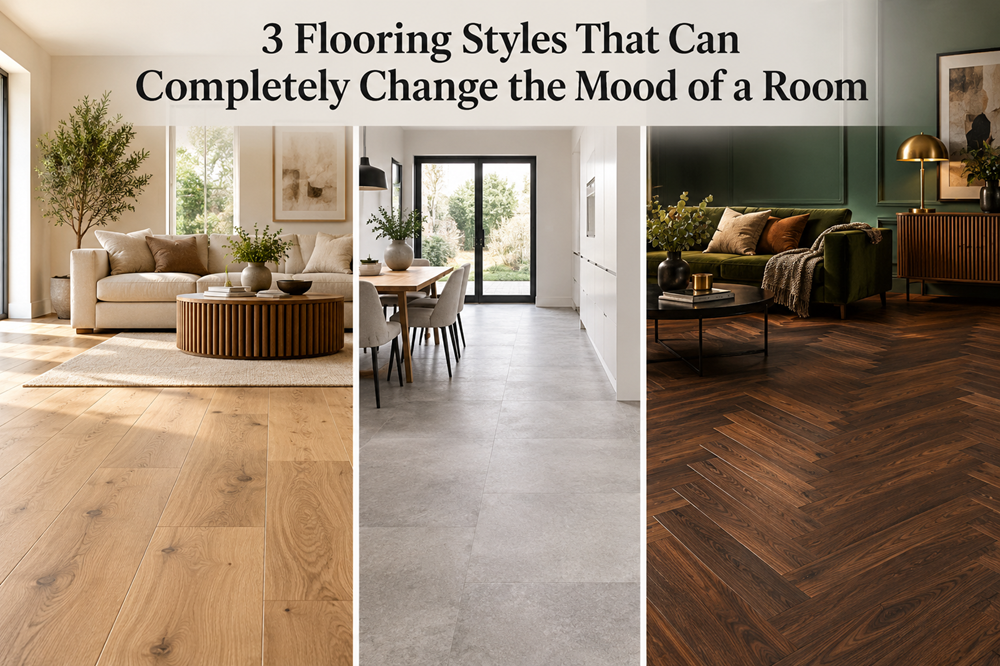
When you’re designing a room, walls, furniture, lighting, and those finishing accessories usually grab most of the attention. But there’s one thing that kind of slips in quietly and still sort of influences nearly everything else: the floor. Its colour, texture, pattern, and finish can make a space feel warm and traditional, sleek and contemporary, or practical and laid-back.
So choosing the right flooring isn’t only about durability or “getting something that lasts”. The correct surface can shape the visual character of the whole room, like it sets the tone before you even notice.
Three options that really stand out for being flexible are engineered wood flooring, SPC flooring, and oak herringbone flooring. Each one brings a different blend of look, atmosphere, and everyday ease.
How Can Flooring Change the Mood of a Room?
Flooring builds the visual base for your interior. Since it takes up such a big portion of the space, even a small shift in colour or a new pattern can affect whether the room feels larger, cosier, more formal, or more modern.
Light-toned floors can help smaller rooms look brighter and more open, while richer wood shades add warmth and that close comfort. And yes, patterned flooring can even turn into a statement detail on its own.
The trick is to think about flooring with the rest of the room in mind—natural light, furniture choices, wall colours, and how you actually plan to use the space. A floor should not just be “nice” on its own. It needs to blend with the complete interior, even when everything else is changing around it.
Why is engineered wood flooring a go-to for warm, natural interiors?
For homeowners who want that genuine timber character, engineered wood flooring is a favourite, as you get a build made for today’s interiors. You get the look of wood, yet it is engineered in a way that feels more steady, more reliable. Its grain, those knots, and little tone variations bring an earthy, organic mood that is hard to mimic with fully synthetic stuff. And honestly, depending on the wood tone and the finish, it can lean into a light Scandinavian vibe, or it can go richer and more old-fashioned, more traditional.
It also sits really well in living rooms, bedrooms, dining spaces, and open-plan layouts where you want warmth plus that sense of flow, you know, continuity.
Another thing is versatility. Engineered wood can match sleek minimalist furniture just as easily as it supports classic or rustic décor. Instead of taking over the whole room, it becomes a neutral, nature-like base, where the rest of your design elements can shine a bit more.
Could SPC Flooring give a room a cleaner, more contemporary feel?
If practicality is at the top of the list, and a more modern look matters, SPC flooring points you in a different direction. SPC, which is Stone Plastic Composite flooring, is known for a tough, durable structure and for being able to imitate materials like wood and stone. So it works well for people who want a contemporary floor, but not at the cost of everyday, real-life performance.
Its tidy appearance fits nicely in modern kitchens, hallways, dining areas, home offices, and basically anywhere high traffic happens. Plus, wood-effect SPC designs can still add warmth, even while the overall look stays sleek and streamlined.
One of the biggest perks is the visual flexibility. With the right colour, plank design, and finish, SPC flooring can lean minimalist, industrial, modern, or more in-between, transitional vibes.
For busy households, that mix of modern look and practical performance makes SPC feel especially appealing as a flooring choice.
Why Does Oak Herringbone Flooring Add Character and Sophistication?
Not many flooring patterns hit the eye as oak herringbone flooring does. Instead of putting the planks down in that neat, straight way, herringbone makes a geometric look that grabs your attention, even when you’re not trying to notice it.
Oak brings in yet another layer of personality, thanks to its natural grain and those warm tonal changes. Put the material and the layout together, and you get a floor that can feel both classic and contemporary at the same time, or at least close enough.
You can use herringbone really well in an entrance hall, living room, dining room, and yes, bedrooms too. It’s especially effective when the floor is allowed to be the feature, rather than being covered up by too much furniture or rugs that stay put everywhere.
Also, the pattern actually changes how the room feels. The repeating V-shaped arrangement adds movement and a steady visual rhythm. So even a fairly simple space ends up feeling more thoughtful and more architectural than it did before.
How Do You Choose Between These Three Flooring Styles?
Honestly, the best pick depends on the mood you want and what the room needs to handle day-to-day.
- Engineered wood flooring is a strong call if warmth matters, and if you want that genuine timber character, plus long-term versatility that doesn’t go out of date quickly.
- SPC flooring can be a better fit when you’re after a more modern look and you want practical everyday performance without too much fuss.
- And oak herringbone flooring is worth considering when you want the floor itself to become a noticeable decorative element, not just a background.
It also helps to look past colour alone. Things like plank width, surface texture, finish, the laying direction, and even the pattern arrangement can shift the final look a lot.
For example, a pale wood in a wide plank can create a totally different atmosphere compared with the same shade placed into a narrow herringbone pattern.
What Should You Consider Before Choosing a Floor?
- Think about the room first: Size, purpose, and that whole overall design vibe matter more than you’d think.
- Check the natural light: Notice the daylight and how the lighting shifts through the day. The colour and the finish can look totally different once it’s in your home.
- Consider foot traffic: How often the space gets used and what level of wear and tear you’re really dealing with.
- Define the desired mood: Calm, cosy, elegant, modern, bold—whatever you’re aiming for.
- Think about maintenance: Choose a flooring option that fits the amount of cleaning and upkeep you are comfortable with, because some options need more care than you might want.
- Consider moisture exposure: In kitchens, bathrooms, basements, and other spots that deal with water or dampness on a regular basis.
- Match your existing interior: Try to match what you already have inside. Make sure the floor works with your furniture, wall colours, cabinetry, finishes, and the rest of your décor; don’t let it fight everything else.
- Request flooring samples: If you can, request flooring samples, and ideally take them home, not only trust what you see in the showroom.
- Check samples in natural daylight: Flooring can look different under bright showroom lighting compared with the natural light in your home.
- Compare samples with your interiors: Place them near your walls, next to cabinetry, by furniture, and by other finishes, so you can see what looks right together, instead of guessing.
What Is the Real Impact of the Right Flooring?
So, what’s the real impact of picking the right flooring? A floor does way more than just give you a place to walk. It quietly becomes the visual base of the room, and it can change how warm the space feels, how tall it seems, and the overall architectural character.
For example, engineered wood flooring gives you that natural timber appeal, SPC flooring offers a more modern and sensible alternative, and oak herringbone flooring brings in pattern, motion, and that classic timeless character.
In the end, the best option is the one that actually connects the look you want with the daily needs you have. When the flooring is considered as part of the full design, not something you pick last minute, even a simple room can end up with a totally different mood.