

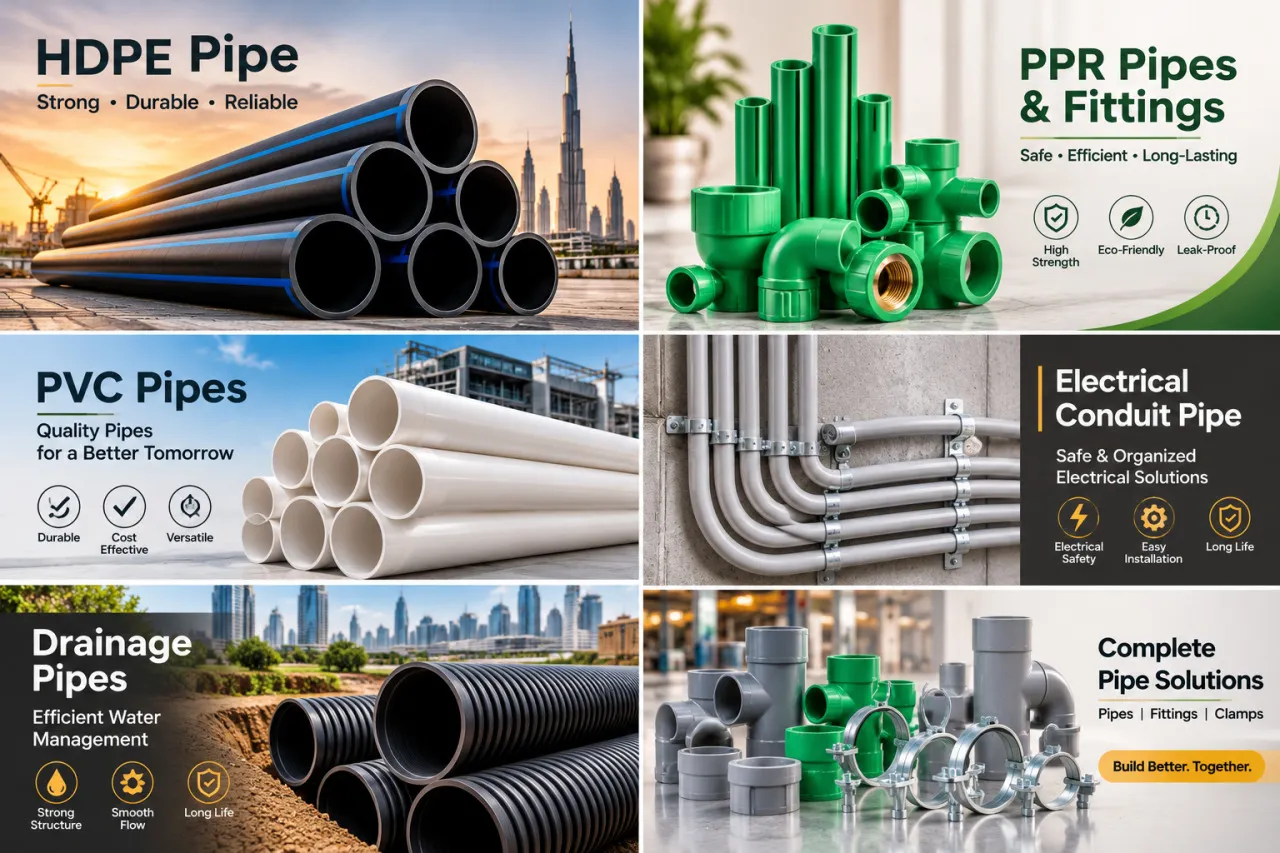

Modern buildings depend on safe and well-organized electrical systems to provide reliable power for lighting, appliances, machinery, communication equipment, and other essential services. An electrical conduit pipe provides a protective pathway for electrical wires and cables, helping shield them from mechanical damage, moisture, dust, and other environmental factors. A properly planned conduit system can also make electrical installations easier to inspect, maintain, modify, and repair over time.
In residential, commercial, and industrial buildings, electrical wiring may pass through walls, ceilings, floors, service areas, and exposed locations. Without appropriate protection, cables can become vulnerable to physical impact, abrasion, moisture, chemicals, and accidental damage. Conduit systems provide an additional layer of protection while helping installers maintain organized cable routes.
What Is an Electrical Conduit System?
An electrical conduit system is a protective arrangement designed to house and route electrical conductors. Conduits can be installed inside walls and ceilings or exposed on suitable surfaces, depending on the building design and electrical requirements.
Different materials can be used for conduit applications, including plastic and metallic options. The appropriate selection depends on factors such as installation location, mechanical exposure, temperature, moisture, cable requirements, and applicable electrical regulations.
A good conduit system is not simply about placing cables inside a tube. The complete installation includes conduits, bends, junction or draw-in boxes, fittings, supports, connectors, and suitable accessories. Together, these components create an organized pathway for electrical wiring.
Why Conduits Are Important for Electrical Safety
Electrical cables can deteriorate when they are exposed to unsuitable environmental conditions or physical stress. Protective raceways help reduce these risks by separating wiring from surrounding construction materials and other services.
Conduits can provide protection against:
Accidental impact and mechanical damage
Dust and debris
Moisture in suitable installations
Abrasion during building use
Contact with other building materials
Disorganized cable routing
Difficult future maintenance
For larger buildings, organized routing is particularly important because electrical systems may contain numerous circuits running between distribution boards, equipment, switches, outlets, and other points.
Choosing the Right Conduit Material
Material selection should be based on the actual installation conditions rather than price alone.
Plastic Conduits
Plastic conduits are commonly considered where lightweight construction, corrosion resistance, and ease of installation are important. They can be suitable for many concealed and protected electrical installations when the selected product and installation method meet the applicable requirements.
Metallic Conduits
Metallic systems can provide strong mechanical protection and may be appropriate in locations where wiring is exposed to higher levels of physical impact or specific environmental conditions.
The choice should consider the electrical design, installation environment, required mechanical protection, and applicable project specifications.
Important Factors When Selecting Conduits
Before purchasing conduit materials, several factors should be evaluated.
1. Installation Location
A concealed installation inside a wall may have different requirements from an exposed installation in an industrial or outdoor environment. The surrounding conditions should always be considered before selecting the conduit and accessories.
2. Cable Capacity
The conduit must have sufficient internal space for the cables being installed. Overcrowding can make cable installation and future maintenance unnecessarily difficult.
3. Bends and Routing
The design should minimize unnecessary bends and complicated routes. DEWA’s electrical installation regulations emphasize orderly conduit installation and specify requirements for draw-in boxes on long runs and runs containing multiple 90-degree bends.
4. Mechanical Protection
Where cables may be exposed to physical damage, the conduit system should provide an appropriate level of protection. The selected material and installation method should match the expected conditions.
5. Moisture Protection
Moisture is an important consideration, especially in outdoor and exposed locations. DEWA has issued specific requirements addressing water entry into conduits, including proper sealing of external conduits and the use of suitable weatherproof boxes and fittings for outdoor installations.
Proper Installation Practices
Correct installation is just as important as selecting a quality product. Even a good conduit can fail to provide adequate protection if it is poorly installed.
Conduit routes should be planned before cables are pulled through the system. According to DEWA’s regulations, conduit and trunking should be completely installed before wiring cables are drawn in. The regulations also call for straight, orderly exposed runs and suitable accessories such as inspection bends, tees, terminal boxes, and draw-in boxes.
Installers should also ensure that:
Joints are properly connected.
Conduit ends are protected from sharp edges.
Suitable bushes or grommets are used where required.
Supports are installed at appropriate intervals.
Junction and draw-in boxes remain accessible where necessary.
Outdoor installations are appropriately sealed.
Cable routes remain organized and identifiable.
These practices can improve both safety and long-term maintainability.
Keeping Different Electrical Circuits Organized
Large electrical installations may contain lighting circuits, power circuits, emergency systems, equipment circuits, and other categories of wiring. Mixing incompatible circuits without appropriate separation can create safety and maintenance concerns.
DEWA regulations specify segregation requirements for circuits of different voltage grades and different categories, with separate conduits or suitable barriers where required.
This makes proper conduit planning an important part of electrical design rather than simply an installation detail.
Conduit Systems in Residential Buildings
Homes typically contain electrical wiring for lighting, sockets, kitchen equipment, air-conditioning systems, water heaters, and other appliances. A properly designed wiring pathway can help protect these circuits while keeping the installation organized.
During renovations, concealed conduit systems can also make future modifications easier when the layout has been planned properly. Accessible junction points and logical routes can reduce unnecessary wall or ceiling work during maintenance.
However, electrical work should always be carried out by appropriately qualified professionals, particularly when new circuits or major modifications are involved.
Commercial and Industrial Applications
Commercial and industrial facilities generally have more complex electrical requirements than residential properties. Offices, retail units, warehouses, workshops, factories, and other facilities may contain large numbers of cables and electrical devices.
In such environments, conduit systems can help organize wiring and protect it from operational hazards. The appropriate solution may involve a combination of conduits, trunking, cable trays, and other cable-management systems depending on the design.
For projects requiring electrical approval in Dubai, contractors and consultants must also follow the applicable DEWA submission, inspection, and installation requirements. DEWA’s current service information states that electrical projects can involve design approval and LV inspection before connection and supply release.
Maintenance and Inspection
One of the advantages of an organized conduit installation is easier maintenance. When cable routes are properly planned and accessible where required, technicians can identify circuits and inspect relevant sections more efficiently.
Regular inspections can help identify:
Damaged conduit sections
Loose fittings
Unsealed external openings
Signs of moisture
Broken supports
Improper modifications
Overcrowded cable routes
Outdoor electrical installations deserve particular attention because exposure to rain, humidity, temperature changes, and environmental conditions can affect protective components over time.
Selecting a Reliable Conduit Supplier
When purchasing electrical conduit products, buyers should look beyond the lowest price. Product quality, dimensional consistency, appropriate accessories, technical documentation, and compliance with project requirements are important considerations.
A reliable supplier should be able to provide clear information about the product’s material, dimensions, application, and relevant specifications. For larger projects, it is also useful to coordinate material selection with the electrical consultant or contractor before procurement.
This helps prevent compatibility problems between conduits, fittings, junction boxes, and cables during installation.
Final Thoughts
A well-designed conduit system plays an important role in protecting electrical wiring and maintaining an organized installation. From residential properties to large commercial and industrial projects, the right combination of materials, accessories, routing, and installation practices can improve safety and simplify future maintenance.
For projects in Dubai, following applicable DEWA requirements is particularly important. Proper routing, suitable fittings, adequate support, circuit segregation, and protection against moisture should all be considered as part of the overall electrical design.
Ultimately, the best conduit solution is one that matches the installation environment, electrical requirements, project specifications, and applicable regulations. Investing in a properly planned system can provide dependable protection for wiring throughout the useful life of a building.



Join the conversation