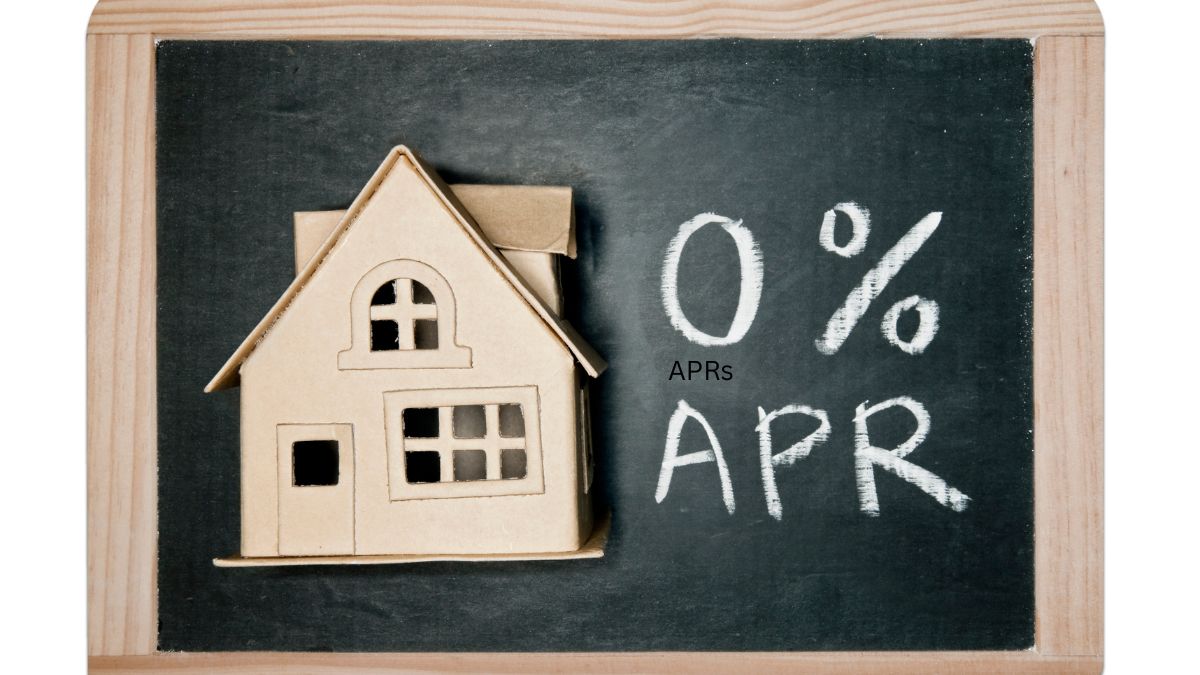
The APR (Annual Percentage Rate) depends on several factors such as your credit score, loan amount, repayment term, and the lender’s risk appetite. No guarantor loans for bad credit usually come with high APRs, ranging between 49.9% and 1500%.
An APR, represented in the form of a percentage, determines the annual cost of a loan. It includes interest rates and fees. It is an APR that tells you how much a loan will cost you, not the interest rate.
What are no guarantor loans?
No guarantor loans are personal loans aimed at borrowers who need funds to meet a wide range of personal expenses. Unlike quick loans, these loans might offer you a large amount of money. Most lenders offer up to £5,000 to subprime borrowers. However, borrowers with decent credit reports can qualify for an amount up to £10,000.
No guarantor loans for bad credit do not require a guarantor. Whether you need money for a small emergency or large planned funds, you will receive approval based on your repayment capacity.
Most lenders offer loans without a guarantor to bad credit borrowers because arranging a guarantor is a time-consuming process, and it becomes a headache when you need quick access to cash.
Most people tend to avoid acting as a guarantor because they know they will be responsible for discharging the debt if you default. Despite the full settlement of the debt, they lose their credit score.
What APRs apply to a no-guarantor loan?
APRs vary by the loan amount. The smaller the loan amount, the higher the APR, and if your credit score is not perfect, you cannot secure lower APRs. The APR for no-guarantor loans for people with bad credit ranges between 49% and 1500%, but the loan amount is exiguous, not more than £1,000.
However, if you are looking to borrow a larger sum, the APR will range between 25% and 99% for good credit borrowers and 49% and 99% for subprime borrowers.
Just the loan amount does not determine the APR. There are multiple factors, and one of them is your credit score. If you want to qualify for a lower APR, your credit score should be perfect.
What else matters?
Your repayment capacity
If lenders suspect that you might face difficulty repaying the debt, they will charge high interest rates. They do so in order to mitigate the risk. You will need to demonstrate your repayment capacity to qualify for better interest rates.
Try to keep your debt-to-income ratio low. Although this does not affect your credit score, lenders consider it to evaluate your repayment potential. If they find that you owe too much debt against your income, you will end up with high interest rates. Lenders might restrict the loan amount as well.
Repayment term
Another important factor that influences the total cost of the debt is a repayment term. Most of the time, short-term no-guarantor loans charge very high APRs. The risk of default is quite high when you need money to meet emergencies. If you borrow a large amount of money, the repayment term is longer.
They are more affordable than short-term high-cost debts. Interest rates vary by the loan term. A loan with a repayment period of five years will be cheaper than a loan with a shorter repayment period. However, bear in mind that a longer repayment term will reduce the size of monthly instalments, but you will end up paying a lot more in total.
Collateral
If you are borrowing a large amount of money, you might be asked to arrange collateral. If you secure your property against the loan, you reduce the risk to be borne by a lender. As a result, they charge lower interest rates.
It depends on the policy of a lender whether they will demand collateral or not. Some lenders may require you to put down collateral if the loan amount is £10,000 or over, while others do not require collateral unless the borrowing amount is £15,000 or over.
The lender’s risk appetite
The risk appetite is another important factor that influences the percentage of an APR. If lenders find you extremely risky, they will certainly charge very high interest rates. You should try to prove that you can easily manage payments. This is possible if you tend to increase your income level.
If you choose a small amount of money, you will certainly be charged a very high APR. This is because the whole debt is to be paid off in a lump sum. A lump sum payment within a short period of time often raises doubts about the repayment capacity of borrowers. Therefore, lenders charge high APRs.
Ways to get the best APR
Here are the ways to get the best APR:
- You should check your credit report before applying. Your credit score should be decent. Make sure your credit report does not consist of unidentified accounts. If you find some errors recorded in your credit file, you should dispute them. It will take a month to remove those errors.
- If you are borrowing a large amount of money, you should compare APRs by applying for prequalification letters. They cannot help you know the exact APR, but the estimated APR will let you get an idea of the total cost of the debt. It will not affect your credit score, as soft searches are made.
- Try to borrow money only when it is urgent. If you can budget, drop the idea of borrowing. As far as an emergency is concerned, try considering other alternatives such as credit cards, borrowing from friends and parents. Credit cards may offer lower APRs than no guarantor loans for bad credit.
The final word
The APR for no guarantor loans in the UK is quite high. If your credit score is poor, it will be even higher. The APR for these loans range between 49% and 1500%. You should try to compare interest rates before applying for these loans.