

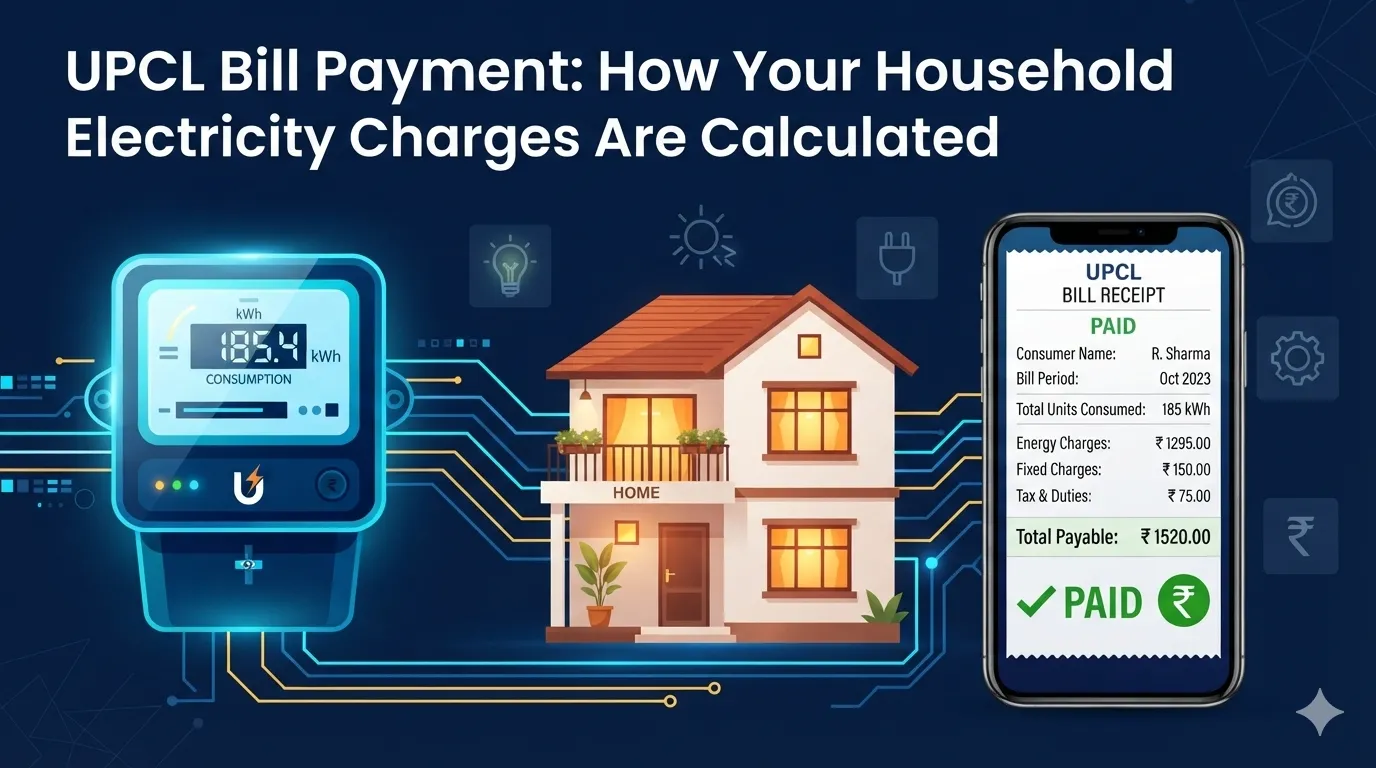

Understanding how your household electricity charges are calculated can enhance your ability to manage your energy use and spending. The Uttar Pradesh Power Corporation Limited (UPCL) employs a straightforward method to determine the charges applicable to your bill. By knowing how to calculate electricity bill charges, you can be better prepared to understand fluctuations in your charges and avoid any surprises when the bill arrives. Understanding how UPCL calculates consumption can also help you manage your monthly electricity expenses.
How are UPCL charges structured?
UPCL electricity bills consist of several components that ultimately determine the total charges you incur. The primary aspects affecting your bill include unit consumption, fixed charges, and additional taxes or surcharges. Unit consumption, often referred to as ‘units consumed’ or ‘kWh’, is the core figure on which your charges are based. When you calculate electricity bill amounts, these components help you understand the total payable amount.
The electricity bill starts with a meter reading that is taken monthly. It calculates the total units consumed during that time period—typically a month. These units are then multiplied by the tariff rate, which is subject to change based on government regulations or policies. Tariff rates can vary depending on the type of consumer—residential, commercial, or industrial—and can also depend on the time of use, with some regions implementing peak and off-peak rates. UPCL consumers can use these details to calculate electricity bill amounts more accurately.
Fixed charges apply to cover the cost of maintaining infrastructure, such as the electrical grid and service connections. Everyone gets charged this regardless of usage, which can lead to higher costs for low-energy consumers. Additional charges may include surcharges for late payments if you miss the due date or penalties for excessive usage above a predefined limit.
What factors can influence my electricity bill?
Several factors can influence your electricity charges beyond the basic calculation of units used and fixed charges. Firstly, the season can impact energy consumption. For instance, in hotter months, air conditioning units may substantially drive up usage, leading to a higher bill. UPCL consumers should consider seasonal consumption when they calculate electricity bill expenses.
Home appliances also play a significant role. The more energy-intensive appliances, such as heaters, refrigerators, or washing machines, will contribute to a higher consumption reading. Educating yourself about the energy efficiency of your devices can help you manage and potentially reduce your bill.
Another key factor is the electricity tariff structure. UPCL and other local providers adjust their rates periodically based on operational costs and energy demands. Staying updated with these changes can help you prepare for adjustments in your monthly bills.
Lastly, any errors in reading or recording your meter can lead to incorrect billing. Regularly checking your meter and ensuring accurate readings can help you catch mistakes early.
Tips for reducing your electricity costs
By understanding how charges are calculated, you can adopt strategies to keep your electricity bills manageable. Here are a few practical tips you can implement:
Monitor Usage: Check your meter readings regularly to get an idea of your energy consumption. This will help you adjust your usage patterns as needed and prevent bill shock.
Choose Energy-efficient Appliances: Investing in energy-efficient appliances can lead to significant reductions in electricity consumption, especially for high-energy-use items. Look for appliances that come with an ENERGY STAR rating or similar certifications.
Adjust Your Habits: Simple changes like turning off lights when not in use, unplugging devices that draw power even when turned off, and using natural light during the day, can lead to lower bills.
Time-of-Use Awareness: If your electricity provider charges different rates depending on the time of day, plan to run heavy appliances like dishwashers and washing machines during off-peak hours.
Consider Solar Options: If viable, consider installing solar panels. They can significantly reduce your dependence on grid electricity, potentially leading to lower monthly bills and savings in the long run.
Paying bills through Bajaj Pay
Managing and paying your UPCL electricity bill is now easier through digital platforms like Bajaj Pay, part of the Bharat Connect payments platform on Bajaj Finance. Bajaj Pay does not charge any fees for bill payments and confirms your transaction instantly. It offers multiple payment methods, including credit and debit cards, net banking, and digital wallets. UPCL consumers can conveniently check their electricity charges before making a payment.
To pay your bill through Bajaj Pay, simply follow these steps:
Visit Bajaj Finance App or website.
Select ‘Bill Payments’.
Choose ‘UPCL’ as your biller.
Enter your consumer ID and amount.
Confirm the payment, and receive an instant receipt.
This process enables you to pay your bills effortlessly, giving you more time to focus on managing your energy consumption effectively. After you calculate electricity bill charges, you can use Bajaj Pay to complete your UPCL bill payment conveniently.
Conclusion
Understanding the calculation of your UPCL electricity bill is crucial for effective household budgeting and energy management. By being informed about how your charges are structured and adopting energy-saving habits, you can reduce unnecessary costs. Knowing how to calculate electricity bill amounts and staying updated on UPCL tariff rates can help you plan your household expenses. Utilize Bajaj Pay, the fee-free option for bill payments, for a straightforward and efficient payment experience.



Join the conversation