
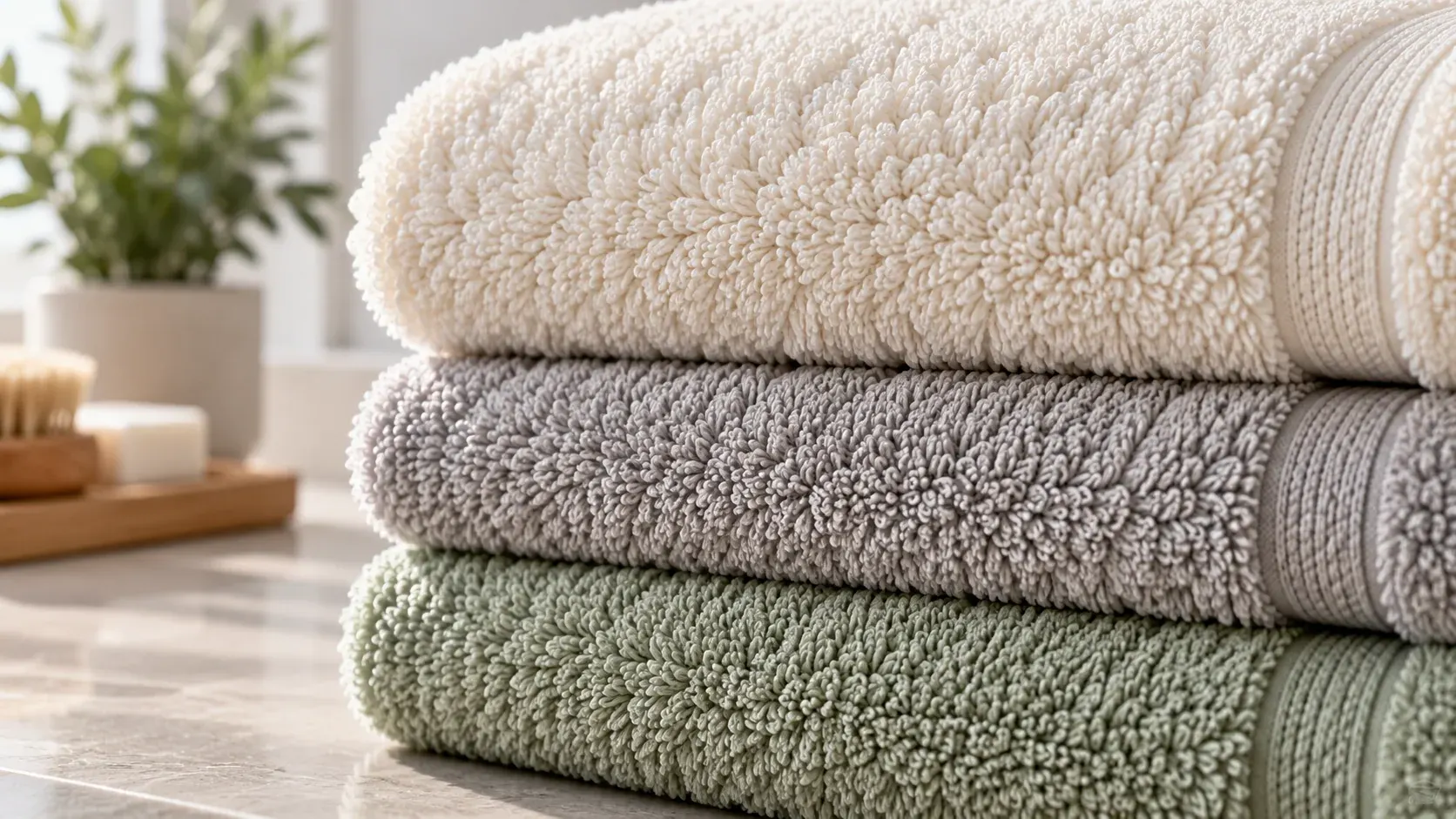

Freshly washed towels should feel comfortable, fluffy, and gentle against the skin. However, the way you dry them can make a noticeable difference to their final texture. Some towels come out of a tumble dryer feeling thick and soft, while others become stiff and rough after spending hours on a washing line.
This often leads to an important question. Is tumble drying or line drying better for keeping towels soft?
Both methods have their advantages and disadvantages. Tumble drying can help maintain the fluffy texture of towel fibres, while line drying is a more energy-efficient option that avoids the heat and friction of a dryer. The best choice depends on your laundry habits, available space, weather conditions, and the type of towels you own.
Understanding how each drying method works can help you make better decisions and maintain comfortable towels for longer.
Why Does Drying Method Affect Towel Softness?
Most towels are made from cotton or other absorbent materials with small loops that create their thick and fluffy texture. These loops help absorb moisture while making towels comfortable to use.
During washing, the fibres can become compressed by movement, water, and the weight of other laundry. The drying process then influences how these fibres settle.
When towels dry naturally without enough airflow or movement, their loops may become stiff and compact. This is particularly noticeable when towels are dried indoors or in areas with high humidity.
A tumble dryer moves towels continuously, helping separate their fibres as moisture evaporates. However, excessive heat and prolonged drying can cause unnecessary fabric wear.
Understanding these differences is one of the most useful Tips To Keep Towels Soft and maintain their original texture.
How Tumble Drying Keeps Towels Fluffy
Tumble drying is often preferred by people who want soft and fluffy towels. Unlike natural drying, a tumble dryer continuously moves laundry around inside a rotating drum.
This movement helps loosen compressed towel fibres and prevents them from drying in a flat, stiff position.
The warm airflow also removes moisture relatively quickly, allowing towels to dry evenly when the machine is used correctly.
Another advantage is consistency. Tumble drying does not depend on outdoor weather, sunlight, or wind. This makes it particularly useful during colder and wetter months in the UK.
However, using the wrong temperature or leaving towels inside for too long can affect their condition. Excessive heat may weaken cotton fibres over repeated cycles and contribute to premature wear.
For better results, choose a suitable low or medium heat setting according to the care label. Remove towels once they are completely dry rather than continuing the cycle unnecessarily.
Advantages of Tumble Drying Towels
Tumble drying offers several benefits when maintaining towel softness.
Better fluffiness: The movement inside the dryer helps separate towel loops, creating a fuller and more comfortable texture.
Faster drying: Towels generally dry more quickly than they would on a washing line, reducing the time they remain damp.
Suitable for colder weather: A tumble dryer provides a reliable drying option during rainy, cold, or humid conditions.
Less exposure to outdoor dirt: Indoor machine drying protects clean towels from outdoor dust, pollen, and other environmental particles.
Consistent results: You can use a suitable drying programme regardless of the weather outside.
Despite these benefits, tumble drying uses electricity and requires regular maintenance. Cleaning the lint filter and following the manufacturer’s instructions are important for safe and efficient operation.
Does Line Drying Make Towels Rough?
Line drying is a popular laundry method because it uses natural airflow rather than electricity. It is particularly useful when the weather is warm, dry, and slightly breezy.
However, towels dried on a washing line can sometimes feel rough or stiff. This happens because the fibres dry without the continuous movement provided by a tumble dryer.
When moisture evaporates, towel loops can settle into a compact position. This can make the fabric feel less fluffy, particularly if towels dry slowly or are exposed to strong sunlight for extended periods.
Hard water and detergent residue can make the problem more noticeable. If minerals or leftover cleaning products remain in the fabric, natural drying may leave towels feeling even stiffer.
This does not mean line drying is bad for towels. With suitable preparation and proper drying conditions, it can still produce comfortable results.
Benefits of Line Drying Towels
Line drying offers several practical advantages for everyday laundry care.
Lower energy consumption: Natural drying does not require electricity to operate a tumble dryer, making it a more economical option.
Gentler drying process: Line drying avoids the repeated tumbling and mechanical friction associated with machine drying.
Fresh outdoor airflow: A well-positioned washing line allows air to circulate around damp towels.
Reduced appliance wear: Using a washing line means less dependence on your tumble dryer and fewer drying cycles.
Useful for delicate materials: Some towels and fabric blends may have care instructions recommending natural drying rather than machine drying.
The main disadvantage is that drying times depend heavily on weather conditions. During rainy or humid periods, towels may take much longer to dry.
Tumble Drying vs Line Drying for Everyday Towel Care
When comparing both methods, tumble drying generally has an advantage when your main priority is maintaining a fluffy texture.
Its movement helps separate towel fibres, while controlled airflow removes moisture efficiently. This often creates a softer finish than leaving towels stationary on a washing line.
Line drying, on the other hand, is a practical choice for reducing energy consumption and avoiding unnecessary heat exposure.
However, neither method guarantees soft towels. Your washing routine matters just as much as the drying technique.
If towels contain excessive detergent, fabric softener, or mineral deposits, they may remain rough regardless of how they are dried.
The best approach is to combine proper washing habits with a drying method that suits your household and the towel manufacturer’s care instructions.
How to Make Line-Dried Towels Softer
If you prefer natural drying but dislike stiff towels, a few simple techniques can improve the results.
First, give each towel a good shake immediately after removing it from the washing machine. This helps loosen the fibres before they begin drying.
Next, hang towels individually and leave enough space between them. Good airflow allows moisture to escape more evenly and helps prevent unpleasant damp smells.
Avoid folding towels over thick washing lines because this can create uneven drying and leave sections feeling stiff.
Choose a breezy location whenever possible. Gentle airflow can help towels dry efficiently without relying on excessive heat.
Once towels are completely dry, shake them again before folding. This small step can help loosen the fabric and improve its overall feel.
These simple habits are particularly helpful when following natural Tips To Keep Towels Soft without using additional laundry products.
Common Mistakes That Make Towels Feel Rough
Sometimes, the problem is not the drying method but the washing routine before it.
Using too much detergent can leave residue between towel fibres. Similarly, excessive fabric softener may create a coating that reduces absorbency.
Overloading the washing machine can prevent proper rinsing, while hard water can contribute to mineral deposits that make fabric feel stiff.
Another common mistake is leaving damp towels inside the washing machine after the cycle finishes. This can encourage unpleasant smells and create an unsuitable environment for storing clean laundry.
To prevent these issues, use the recommended detergent quantity, avoid unnecessary fabric softener, and remove towels promptly after washing.
Proper preparation makes both tumble drying and line drying more effective.
Should You Combine Tumble Drying and Line Drying?
You do not have to choose only one drying method. Combining both techniques can provide a practical balance between energy efficiency and towel softness.
For example, you can allow towels to dry naturally on a washing line until they are partially dry. Once most of the moisture has evaporated, finish them with a short tumble-drying cycle using a suitable temperature.
The movement inside the dryer can help loosen the fibres and improve the final texture.
Alternatively, you can tumble dry towels briefly and finish drying them naturally if your care instructions allow it.
This approach may reduce electricity consumption compared with running a complete tumble-drying cycle while still helping towels maintain their fluffy appearance.
Always avoid excessive heat and make sure towels are completely dry before storing them.
Final Thoughts
So, which method keeps towels softer, tumble drying or line drying?
Tumble drying generally produces fluffier towels because the movement inside the machine helps separate compressed fibres and maintain their thick texture. Line drying is more energy-efficient and avoids repeated exposure to dryer heat, but it can sometimes leave towels feeling stiff.
The right choice depends on your priorities, available facilities, and the care requirements of your towels.
For the best results, focus on proper washing, suitable detergent quantities, effective rinsing, and careful drying. You can also combine both methods to enjoy the advantages of natural drying and machine-assisted fluffiness.
Following these practical Tips To Keep Towels Soft will help maintain towel absorbency, protect fabric fibres, and keep your towels comfortable after repeated washing and drying.



Join the conversation