


How-to guide
India is a country of extraordinary diversity, where centuries-old traditions exist alongside modern cities, vibrant cultural centres and breathtaking natural landscapes. From the magnificent palaces of Rajasthan to the sacred riverfronts of Varanasi, every destination offers a different perspective on the country’s history, culture and everyday life.
For travellers planning an unforgettable journey through India, choosing the right destinations is an important first step. Some cities are famous for their historic monuments, others for regional cuisine, artistic traditions, spiritual heritage or spectacular surroundings. Exploring several regions can reveal just how varied and fascinating India really is.
Travel Mart TM helps travellers discover these experiences through carefully planned journeys across Asia, including individual tours in India. With personal travel consultation, local partnerships and itineraries designed around individual interests, the focus is on making each journey distinctive and enjoyable.
Whether you dream of exploring the Golden Triangle, discovering Rajasthan’s royal heritage or travelling through the cultural landscapes of southern India, there are countless possibilities to consider.
Why Discover India with Travel Mart TM?
India is a vast country, and planning a journey can involve many decisions. Distances between destinations are considerable, regional climates differ, and every area has its own cultural traditions and travel experiences.
A well-organised itinerary makes it easier to combine the places that interest you while allowing enough time to enjoy each destination.
Travel Mart TM is a tour operator specialising in tailor-made journeys across Asia. Its travel planning approach is based on personal consultation, destination knowledge and cooperation with local partners.
Rather than relying exclusively on standard travel packages, the company creates itineraries around individual preferences. Travellers can discuss their interests, preferred pace, accommodation expectations and the experiences they would like to include.
The aim is to combine memorable discoveries with comfortable organisation and personal support.
Individual Travel Planning
Every traveller has different expectations. Some prefer a journey focused on history and architecture, while others are more interested in food, nature, wellness or local traditions.
Travel Mart TM develops individual travel programmes that can bring together several interests. A cultural journey through northern India, for example, might include historic cities, local markets and traditional experiences. A longer holiday in the south could combine temple architecture, nature, regional cuisine and an Ayurveda stay.
Local Knowledge and Experienced Guides
Discovering a country becomes more meaningful when you understand the stories behind its landmarks and traditions.
Travel Mart TM works with selected local partners and knowledgeable guides who can introduce visitors to regional history, culture and everyday life. Depending on the destination and itinerary, travellers can also explore specialist experiences related to architecture, gastronomy, wildlife and local craftsmanship.
Comfort and Personal Support
Travel arrangements involve more than choosing attractions. Accommodation, transfers, connections and sightseeing all need to work together.
Travel Mart TM coordinates the confirmed elements of each journey and works with local partners to support travellers during their holiday. The intention is to provide a smooth experience while leaving room for personal discoveries along the way.
Discover India’s Most Famous Cities
India’s cities offer an extraordinary variety of experiences. The following destinations are excellent starting points for travellers interested in exploring the country’s cultural and historical highlights.
1. Delhi – A Fascinating Introduction to Indian History
Delhi is one of India’s most important historic cities and an excellent starting point for a journey through the north.
The capital combines Mughal monuments, colonial-era architecture, religious landmarks and modern urban life. Its historic districts reveal different periods of Indian history, while its markets and restaurants offer an introduction to regional food traditions.
Important attractions include:
Red Fort: An impressive Mughal complex built during the seventeenth century.
Qutub Minar: A historic tower surrounded by an important archaeological complex.
Humayun’s Tomb: A remarkable example of Mughal garden architecture.
India Gate: A prominent memorial and recognisable landmark in central Delhi.
Jama Masjid: One of India’s major historic mosques.
Delhi is also famous for its food culture. Traditional dishes, street-food specialities and regional restaurants make the city an interesting destination for culinary exploration.
2. Agra – Discover the Beauty of the Taj Mahal
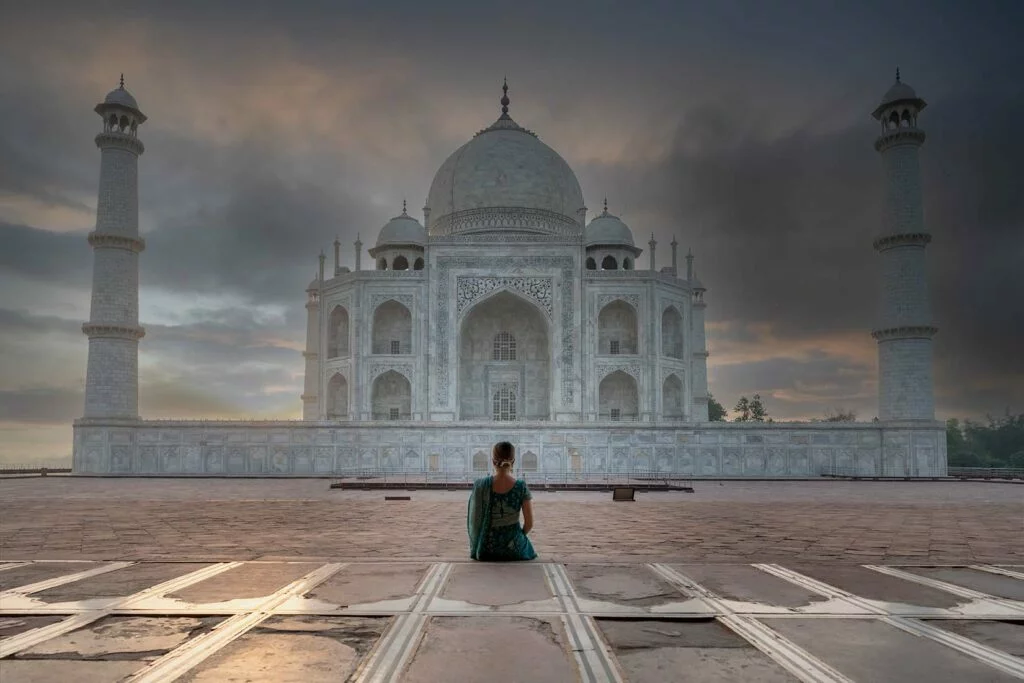
Agra is internationally recognised for the Taj Mahal, one of the world’s most celebrated architectural landmarks.
Built by Mughal Emperor Shah Jahan in memory of Mumtaz Mahal, the white-marble mausoleum is admired for its symmetry, craftsmanship and historical significance.
Agra Fort is another major attraction. Its impressive walls, palaces and courtyards provide insight into the history of the Mughal Empire.
Many travellers visit Agra as part of the Golden Triangle, combining it with Delhi and Jaipur.
3. Jaipur – Experience Rajasthan’s Royal Heritage
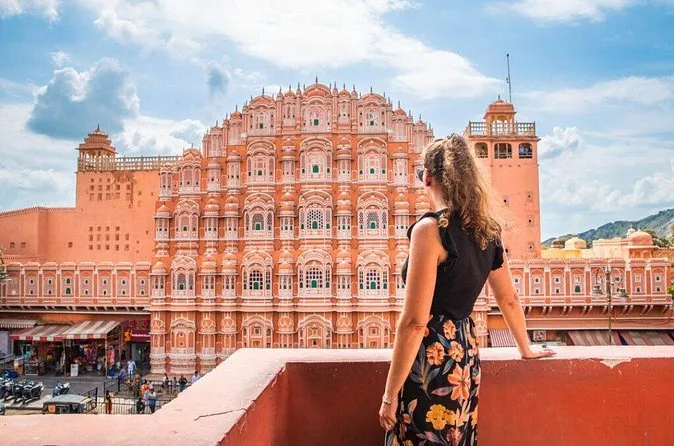
Known as the Pink City, Jaipur is one of India’s most colourful and architecturally distinctive destinations.
The city is famous for its historic palaces, impressive forts and traditional markets. Visitors can explore the City Palace, admire the Hawa Mahal and discover Amber Fort, which overlooks the surrounding landscape.
Jaipur is also a wonderful destination for discovering traditional crafts. Its markets offer textiles, jewellery, pottery, decorative objects and other products associated with Rajasthan’s artistic heritage.
4. Varanasi – Discover Spiritual Traditions Along the Ganges
Varanasi is one of India’s most significant spiritual destinations. Located on the banks of the River Ganges, it has a long history as a centre of religious learning, pilgrimage and cultural traditions.
The city’s ghats, temples and narrow streets create an atmosphere that is very different from India’s larger metropolitan centres.
Visitors can discover traditional crafts, explore historic neighbourhoods and learn about the religious customs that shape everyday life in the city.
Varanasi is particularly rewarding for travellers interested in understanding India’s spiritual and cultural heritage.
5. Mumbai – Explore India’s Vibrant Metropolis
Mumbai is India’s financial and entertainment centre. It is a dynamic city known for its film industry, historic architecture, waterfront neighbourhoods and diverse food scene.
The Gateway of India is one of its most recognisable landmarks. Other interesting places include Marine Drive, Chhatrapati Shivaji Maharaj Terminus and the historic districts of South Mumbai.
Mumbai also offers a fascinating look at contemporary Indian life, from its creative industries to its varied neighbourhoods and culinary traditions.
6. Kolkata – A City of Literature, Art and Culture
Kolkata is often described as India’s cultural capital. Its identity is closely connected with literature, music, theatre, cinema and intellectual life.
The Victoria Memorial, Indian Museum and historic neighbourhoods offer plenty of opportunities for sightseeing. College Street is especially interesting for book lovers, while the city’s traditional sweet shops and restaurants introduce visitors to Bengali cuisine.
Durga Puja is one of Kolkata’s most celebrated annual festivals, transforming the city with artistic installations, cultural programmes and community celebrations.
7. Udaipur – The Romantic City of Lakes
Udaipur is among Rajasthan’s most picturesque destinations. Its lakes, palaces and surrounding hills create a memorable setting for cultural sightseeing.
Lake Pichola is one of the city’s best-known attractions, while the City Palace offers beautiful views and insight into the history of the Mewar royal family.
Udaipur is particularly suitable for travellers who enjoy architecture, scenic surroundings and a more relaxed pace.
8. Jodhpur – Discover the Blue City
Jodhpur is recognised for its blue-painted houses and impressive Mehrangarh Fort, which rises above the historic city.
The fort is one of Rajasthan’s most significant architectural landmarks and contains museums, courtyards and collections connected with the region’s royal history.
Visitors can also explore traditional markets, discover local handicrafts and experience the distinctive atmosphere of the old city.
9. Kochi – Explore Kerala’s Cultural Heritage
Kochi, in Kerala, has a long history of international trade and cultural exchange. Its historic neighbourhoods reflect Portuguese, Dutch, British and local influences.
Fort Kochi is particularly interesting for its heritage buildings, art spaces, cafés and traditional Chinese fishing nets.
The city is also a convenient starting point for exploring Kerala’s backwaters, tea plantations and coastal landscapes.
10. Mysuru – Experience Southern India’s Royal Traditions
Mysuru, also known as Mysore, is celebrated for its royal heritage and cultural traditions.
The Mysore Palace is the city’s most famous landmark, while its markets, historic buildings and traditional crafts offer further opportunities for discovery.
The city is particularly well known for its annual Dasara celebrations, which bring together processions, cultural performances and traditional ceremonies.
Explore India Through Different Travel Experiences
India offers much more than sightseeing in famous cities. Its regional diversity makes it possible to create journeys around particular interests, from architecture and cuisine to nature and wellness.
Cultural and Heritage Journeys
A cultural holiday can include historic monuments, religious sites, traditional neighbourhoods, museums and encounters with local artisans.
Rajasthan is an excellent region for discovering royal architecture and traditional crafts. Northern India offers Mughal heritage and important spiritual destinations, while southern India is known for its temple architecture and classical performing arts.
Travellers can also include local festivals, guided walks and regional culinary experiences.
Food and Culinary Experiences
Indian cuisine is exceptionally varied. Ingredients, cooking techniques and traditional dishes change considerably between regions.
A journey through Delhi and Rajasthan can introduce visitors to the flavours of northern India, while Kolkata offers celebrated Bengali specialities. Kerala is known for its coastal cuisine, coconut-based preparations and distinctive use of spices.
Food-focused travel can include traditional markets, regional restaurants and, where available, cooking experiences with local hosts.
Nature and Wildlife
India’s natural landscapes range from Himalayan mountain regions to tropical forests, wetlands and coastal areas.
Depending on the region and season, travellers can explore national parks, tea-growing landscapes, scenic countryside and wildlife reserves.
Central India is particularly well known for its national parks, while Assam and the northeast offer a different combination of biodiversity, tea estates and mountain scenery.
Ayurveda and Wellness Holidays
Kerala is one of India’s best-known destinations for Ayurveda and traditional wellness experiences.
Travellers interested in a slower-paced holiday can consider combining cultural sightseeing with a stay at an Ayurveda retreat. Depending on the programme, a wellness journey may include traditional treatments, yoga, meditation and time to relax in peaceful surroundings.
Travel Mart TM also arranges wellness journeys in India and other Asian destinations.
Recommended Travel Routes Through India
Because India is so large, choosing a regional route can make a journey more comfortable and rewarding. Here are several possibilities for discovering different parts of the country.
The Golden Triangle: Delhi, Agra and Jaipur
<AsyncImageGroup query={[“Delhi Humayun Tomb India architecture”,”Taj Mahal Agra India sunrise exterior”,”Jaipur Hawa Mahal Pink City Rajasthan”]} aspectRatio=”5:4″ layout=”bento”/>
The Golden Triangle is one of India’s best-known travel routes and a popular introduction to the country’s history and architecture.
A typical itinerary includes:
Delhi: Explore historic monuments, markets and the capital’s diverse food culture.
Agra: Discover the Taj Mahal and Agra Fort.
Jaipur: Visit royal palaces, historic forts and traditional markets.
This route is suitable for first-time visitors who want to experience several major highlights without travelling across the entire country.
Rajasthan Heritage Journey
<AsyncImageGroup query={[“Rajasthan Amber Fort Jaipur India”,”Mehrangarh Fort Jodhpur blue city”,”Udaipur Lake Pichola City Palace Rajasthan”]} aspectRatio=”5:4″/>
A longer journey through Rajasthan can include Jaipur, Jodhpur and Udaipur.
The route offers a combination of palaces, forts, historic neighbourhoods and regional traditions. Travellers can also discover local crafts, traditional cuisine and the landscapes that make Rajasthan so distinctive.
Southern India: Temples, Nature and Culture
<AsyncImageGroup query={[“Meenakshi Amman Temple Madurai Tamil Nadu”,”Mysore Palace Karnataka India”,”Kerala Alleppey backwaters houseboat”]} aspectRatio=”5:4″/>
Southern India offers a different perspective on the country’s cultural heritage.
A journey can combine the temples of Tamil Nadu, the royal history of Mysuru and the landscapes of Kerala. Travellers can explore traditional architecture, regional food, tea plantations and the famous backwaters.
This route is particularly interesting for visitors who want to combine cultural discovery with nature and wellness experiences.
Northeast India: Landscapes and Local Traditions
<AsyncImageGroup query={[“Meghalaya living root bridges India”,”Assam tea garden landscape India”,”Kaziranga National Park Assam landscape”]} aspectRatio=”5:4″/>
Northeast India offers a distinctive combination of natural beauty and cultural diversity.
Meghalaya is known for its dramatic landscapes and living root bridges, while Assam is famous for its tea estates and the biodiversity of Kaziranga National Park.
A journey through this region can offer a different perspective on India, particularly for travellers interested in nature, regional traditions and destinations beyond the main tourist routes.
For further inspiration, explore our guide to the 12 best cities to visit in India for culture and food.
When Is the Best Time to Visit India?
The best time to travel depends on the destinations included in your itinerary.
For many northern Indian destinations, October to March is a popular period for sightseeing. Temperatures are often more comfortable for exploring historic cities, monuments and outdoor attractions.
Rajasthan is particularly appealing during the cooler months, when visitors can explore its forts and palaces without the intense summer heat.
Southern India has different seasonal patterns. Kerala, for example, experiences a tropical climate and significant monsoon rainfall. The cooler and generally drier months are often preferred for a combination of sightseeing and relaxation.
Travellers interested in specific festivals should plan around the confirmed dates. Durga Puja in Kolkata and Dasara in Mysuru are two examples of celebrations that can add a special cultural dimension to a journey.
How Travel Mart TM Creates Individual India Journeys
Choosing destinations is only one part of planning a memorable holiday. The route, accommodation, transport and activities all influence the overall experience.
Travel Mart TM takes an individual approach to travel planning, considering the interests and expectations discussed during the consultation.
Personal Consultation
The planning process begins with understanding what you want from your journey. This may include preferred destinations, travel dates, accommodation style, cultural interests and the desired pace.
A Tailor-Made Itinerary
Based on your preferences, Travel Mart TM can develop a proposed route that connects suitable destinations and experiences.
For example, a journey may combine Delhi, Agra and Rajasthan, or focus on southern India with temples, cultural highlights, nature and wellness.
Selected Accommodation and Local Experiences
Accommodation and activities are considered as part of the wider itinerary. Depending on the destination and travel style, options may include distinctive boutique hotels, selected resorts, cultural experiences and private sightseeing arrangements.
Organised Transfers and Local Support
Transport arrangements can be planned around the route, with private vehicles and local support available where included in the confirmed itinerary.
The aim is to make the journey comfortable while allowing travellers to focus on discovering India.
Why Choose Travel Mart TM for Your Asian Journey?
Travel Mart TM brings together destination knowledge, local partnerships and personal travel planning.
The company’s portfolio covers more than 15 destinations across Asia and selected regions beyond. Its journeys include cultural holidays, private tours, small-group experiences, wellness retreats, wildlife travel and other individual travel styles.
Several aspects define its approach:
Individual itineraries: Journeys are planned around personal interests and preferences.
Destination expertise: Local partnerships and regional knowledge support the travel experience.
Varied experiences: Cultural discovery, nature, wellness and relaxation can be combined.
Personal service: Consultation and support are important parts of the planning process.
Flexible travel concepts: Routes and experiences can be adapted to the agreed travel requirements.
The company’s philosophy is reflected in its motto: “Treat a guest like a God.” It expresses the importance of hospitality and attentive service throughout the travel experience.
Frequently Asked Questions About Travel Mart and India Travel
1. What is Travel Mart TM?
Travel Mart TM is a tour operator specialising in tailor-made travel experiences across Asia and selected destinations beyond. Its portfolio includes individual journeys, cultural holidays, wellness retreats, private tours and small-group experiences.
2. Does Travel Mart TM organise individual tours to India?
Yes. Travel Mart TM offers individual tours to India, with itineraries that can be planned around personal interests, travel dates and preferred travel styles.
3. Which Indian cities should I visit on my first trip?
Delhi, Agra and Jaipur are popular choices for first-time visitors because they combine major historic landmarks, Mughal architecture and Rajasthan’s royal heritage. Travellers with more time may also consider Varanasi, Udaipur or destinations in southern India.
4. Can I combine cultural sightseeing with an Ayurveda retreat?
Yes. A cultural journey can be combined with an Ayurveda or wellness stay, particularly in Kerala. The exact itinerary depends on your interests, available travel time and preferred type of retreat.
5. Does Travel Mart TM offer private tours in India?
Travel Mart TM offers tailor-made individual journeys, and private travel arrangements can be incorporated into an itinerary according to the confirmed programme.
6. What is the best season for an India holiday?
October to March is generally popular for exploring many northern Indian destinations. However, the best season depends on the regions you plan to visit, as India’s climate varies considerably.
7. Can I include lesser-known destinations in my India itinerary?
Yes. An individual journey can include destinations beyond the main tourist routes. Depending on your interests, possibilities include Northeast India, selected areas of central India and less-visited cultural regions.
8. How do I start planning a journey with Travel Mart TM?
You can begin by sharing your travel ideas, preferred dates and interests with the Travel Mart TM team. Based on your requirements, the company can prepare individual itinerary suggestions for consideration.
Conclusion: Discover India Your Way with Travel Mart TM
India is a destination that rewards curiosity. Its famous cities reveal only part of the country’s extraordinary diversity, while its regional traditions, landscapes and cultural experiences offer countless opportunities for further discovery.
From Delhi’s historic monuments and Agra’s Taj Mahal to Jaipur’s royal heritage, Varanasi’s spiritual traditions and Kerala’s peaceful backwaters, every journey can be shaped around different interests.
Travel Mart TM helps travellers bring these possibilities together through individual travel planning, destination knowledge and local partnerships. Whether you are dreaming of a classic Golden Triangle journey, a cultural exploration of Rajasthan or a longer adventure through southern or northeastern India, the right itinerary can make all the difference.
Discover India at your own pace, explore the destinations that inspire you and enjoy a journey designed around the experiences you value most.



Join the conversation