
digimoneyblogger.com digimoneyblogger.com
  • Categories
    • Maecenas
    • Aenean Eleifend
    • Vulputate
    • Etiam
  • Features
    • Category Blocks
    • Content Blocks
      • Accordions
      • Alerts
      • Author
      • Facebook Fanpage
      • Instagram Feed
      • Pinterest Board
      • Progress Bars
      • Separators
      • Share Buttons
      • Social Links
      • Subscription Forms
      • Tabs & Pills
      • Twitter Feed
    • Content Formatting
      • Badges
      • Drop Caps
      • Styled Blocks
      • Styled Lists
      • Numbered Headings
    • Gallery Blocks
    • Promo Blocks
    • Inline Posts
    • Paginated Post
    • Contact Form
  • Sample Page
  • Buy Now
  • Home
  • Contact Us
  • About Us
  • Dashboard
  • Business
  • Science
  • Technology
  • Lifestyle
  • Culture
  • Health
  • Travel
  • Sports
Subscribe
digimoneyblogger.com digimoneyblogger.com
  • Categories
    • Maecenas
    • Aenean Eleifend
    • Vulputate
    • Etiam
  • Features
    • Category Blocks
    • Content Blocks
      • Accordions
      • Alerts
      • Author
      • Facebook Fanpage
      • Instagram Feed
      • Pinterest Board
      • Progress Bars
      • Separators
      • Share Buttons
      • Social Links
      • Subscription Forms
      • Tabs & Pills
      • Twitter Feed
    • Content Formatting
      • Badges
      • Drop Caps
      • Styled Blocks
      • Styled Lists
      • Numbered Headings
    • Gallery Blocks
    • Promo Blocks
    • Inline Posts
    • Paginated Post
    • Contact Form
  • Sample Page
  • Buy Now
  • Health

The Case for Treating Sleep as a Daytime Health Habit

  • July 29, 2026
  • Dr. Lena Brooks
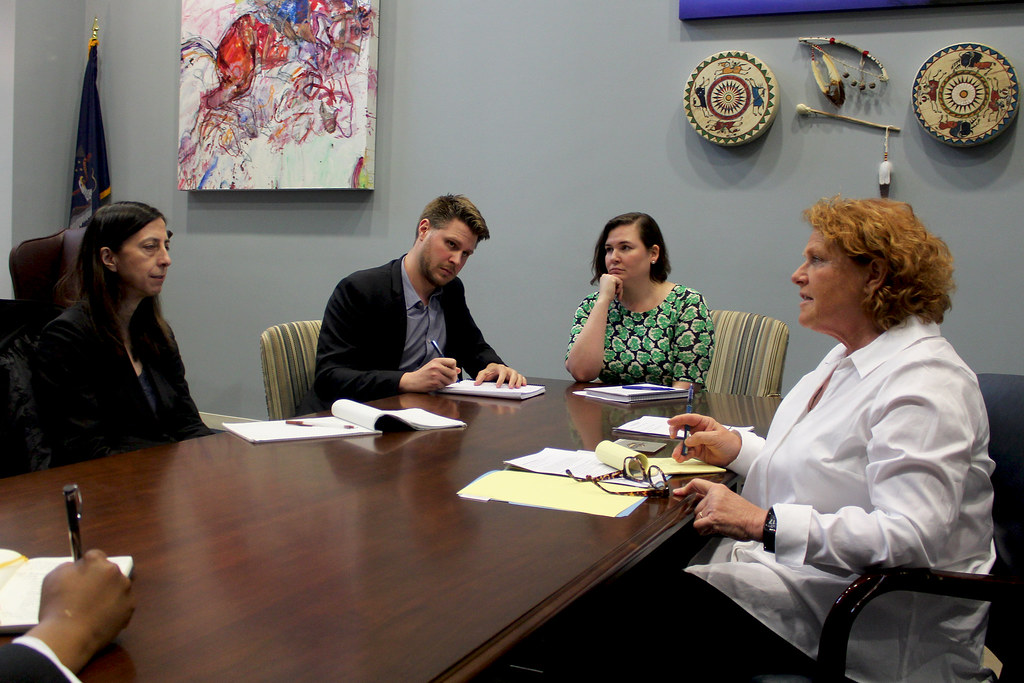
“Session: Health News Panel” by Medicine 2.0 is licensed under CC BY-SA 2.0. To view a copy of this license, visit https://creativecommons.org/licenses/by-sa/2.0/.
Total
0
Shares
0
0
0

Sleep advice is often reduced to the final hour of the day: dim the lights, put away the phone and keep the bedroom cool. Those steps matter, but they overlook a larger truth. Sleep is shaped by choices made from morning onward.

Morning Light Sets the Clock

The body’s circadian system responds strongly to light. Exposure to daylight after waking helps signal that the active part of the day has begun. That signal supports the timing of alertness during the day and sleepiness later at night.

For many people, a brief walk outdoors is more useful than standing near a dim indoor window. The exact effect varies with season, geography and individual biology, but regular morning light is a practical anchor.

The National Heart, Lung, and Blood Institute explains that sleep-wake cycles are influenced by light, darkness and daily routines. Source: https://www.nhlbi.nih.gov/health/sleep-deprivation

Caffeine Has a Long Tail

A mid-afternoon coffee may feel harmless, especially when bedtime is several hours away. Caffeine, however, can remain active in the body longer than people expect. Sensitivity differs widely, so there is no universal cutoff that works for everyone.

A useful experiment is to move the final caffeinated drink earlier for two weeks and observe changes in sleep onset and nighttime waking. The goal is not necessarily to eliminate caffeine, but to understand its timing.

Movement Supports Sleep Pressure

Physical activity helps build the biological pressure for sleep. Regular exercise is associated with better sleep quality, though intense activity immediately before bed may be stimulating for some people.

The relationship is also circular. Poor sleep can reduce motivation to exercise, while inactivity can make sleep less restorative. A modest routine, such as walking most days and adding resistance exercise several times a week, can interrupt that cycle.

The Centers for Disease Control and Prevention offers general physical activity guidance for adults. Source: https://www.cdc.gov/physical-activity/php/about/index.html

Consistency Matters More Than Perfection

A fixed bedtime is difficult for shift workers, caregivers and people with unpredictable schedules. Even so, some consistency can help. Waking at roughly the same time, eating meals on a regular pattern and creating a repeatable wind-down routine all give the body timing cues.

Weekend “catch-up” sleep may reduce immediate fatigue, but very large shifts can make Sunday night harder. A smaller difference between weekday and weekend schedules is often easier on the body clock.

Know When to Seek Help

Persistent insomnia, loud snoring, gasping during sleep, severe daytime sleepiness or restless legs deserve medical attention. Sleep apnea and other disorders are not problems of willpower or poor bedtime discipline.

Conclusion

Good sleep hygiene begins long before the bedroom. Morning light, caffeine timing, activity and routine all shape the night ahead. Treating sleep as a daytime health habit makes improvement more realistic and less dependent on a perfect bedtime ritual.


Total
0
Shares
Share 0
Tweet 0
Pin it 0
Related Topics
  • circadian rhythm
  • daily habits
  • sleep health
Dr. Lena Brooks

Previous Article
  • Business

What Small Businesses Can Learn From Subscription Fatigue

  • July 29, 2026
  • Priya Hartwell
View Post
Next Article
  • Travel

How Rail Travel Is Reclaiming the Journey

  • July 29, 2026
  • Elliot Maren
View Post
You May Also Like
View Post
  • Health

Why Hearing Health Deserves More Attention

  • Dr. Colin Marsh
  • July 29, 2026
View Post
  • Health

What Gut Health Advice Gets Right and Wrong

  • Dr. Natalie Voss
  • July 29, 2026
View Post
  • Health

Why Strength Training Belongs in Healthy Aging Plans

  • Dr. Elise Garner
  • July 29, 2026
View Post
  • Health

What Blood Pressure Numbers Mean in Everyday Life

  • Dr. Simone Avery
  • July 29, 2026

Leave a Reply Cancel reply

Your email address will not be published. Required fields are marked *

Recent Posts

  • What Quantum Computing May Actually Be Good For
  • How Personal Archives Shape Family Memory
  • Why Insects Are Disappearing and Why It Matters
  • How Women’s Sports Are Building Stronger Media Markets
  • Why Folk Crafts Are Finding New Digital Audiences

Recent Comments

No comments to show.
Featured Posts
  • 1
    What Quantum Computing May Actually Be Good For
    • July 29, 2026
  • 2
    How Personal Archives Shape Family Memory
    • July 29, 2026
  • 3
    Why Insects Are Disappearing and Why It Matters
    • July 29, 2026
  • 4
    How Women’s Sports Are Building Stronger Media Markets
    • July 29, 2026
  • 5
    Why Folk Crafts Are Finding New Digital Audiences
    • July 29, 2026
Recent Posts
  • How to Build a Travel Itinerary That Survives Bad Weather
    • July 29, 2026
  • Why Hearing Health Deserves More Attention
    • July 29, 2026
  • How Businesses Can Make Meetings Shorter and Better
    • July 29, 2026
Categories
  • Aenean Eleifend (10)
  • Aliquam (3)
  • Business (8)
  • Culture (6)
  • Etiam (10)
  • Health (5)
  • Lifestyle (6)
  • Maecenas (10)
  • Metus Vidi (3)
  • Rhoncus (4)
  • Science (8)
  • Sports (5)
  • Technology (7)
  • Travel (5)
  • Vulputate (10)
digimoneyblogger.com digimoneyblogger.com
  • Categories
  • Features
  • Sample Page
  • Buy Now

Input your search keywords and press Enter.