
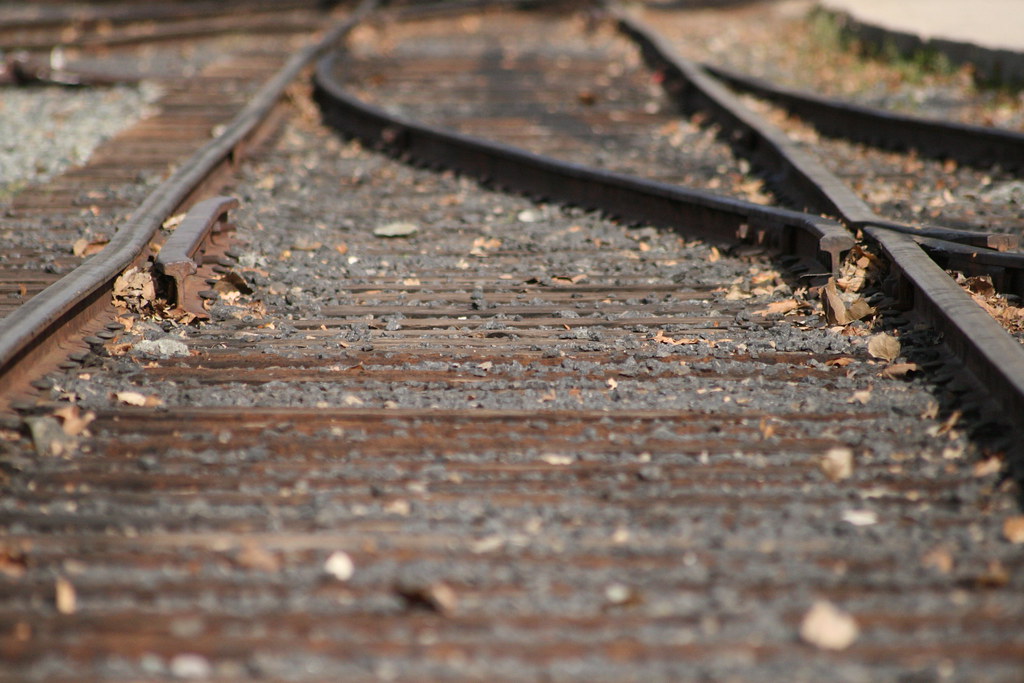
Air travel is built around disappearance. A passenger enters one terminal and emerges hours later in another city, often with little sense of the landscape crossed in between. Rail travel offers a different experience. The distance remains visible.
The Return of the Scenic Middle
Interest in train journeys has grown alongside the broader slow-travel movement. Travelers increasingly want the route to be part of the trip rather than an inconvenience to overcome. Mountains, suburbs, farms and small stations become a moving record of place.
This does not mean every rail journey is romantic. Delays, crowded carriages and inconsistent service remain common. Yet trains often provide more room to move, easier access to city centers and fewer restrictions on how passengers spend the journey.
Sustainability Is Part of the Appeal
Transport emissions vary widely by route, energy source and occupancy, but rail is generally an efficient mode for many intercity journeys. The International Energy Agency describes rail as one of the most energy-efficient transport modes. Source: https://www.iea.org/energy-system/transport/rail
For travelers, the environmental calculation is not always simple. A nearly empty diesel train may not outperform every alternative, and reaching a rural destination can still require a car. Even so, strong rail networks can reduce dependence on short-haul flights and private vehicles.
Planning a Better Train Trip
The best rail itineraries allow margin. Tight connections may save time on paper but create anxiety when delays occur. Booking a longer transfer can make room for lunch, a short walk or an unexpected platform change.
Luggage also shapes the experience. A smaller bag is easier to lift, store and carry over station stairs. Travelers should check whether seat reservations are included, optional or required, especially on international and high-speed services.
Overnight Trains Change the Equation
Night trains combine transport and accommodation. They can save a hotel night and deliver passengers directly to a city center in the morning. Comfort ranges from reclining seats to private sleeper cabins, so expectations should match the ticket type.
The experience is imperfect but memorable. Falling asleep in one region and waking in another creates a sense of distance that aviation often erases.
Travel Without Constant Optimization
Rail travel invites a different mindset. The “fastest” route may not be the best one. A slower connection with better scenery or a relaxed station stop may produce a richer trip.
This is particularly useful for multi-city travel. Instead of treating each destination as an isolated checklist, the journey links them into a continuous story.
Conclusion
Trains will not replace every flight or road trip. Their renewed appeal comes from offering something modern travel often lacks: a visible transition between places. For travelers willing to trade a little speed for space, scenery and continuity, the railway is once again becoming part of the destination.