

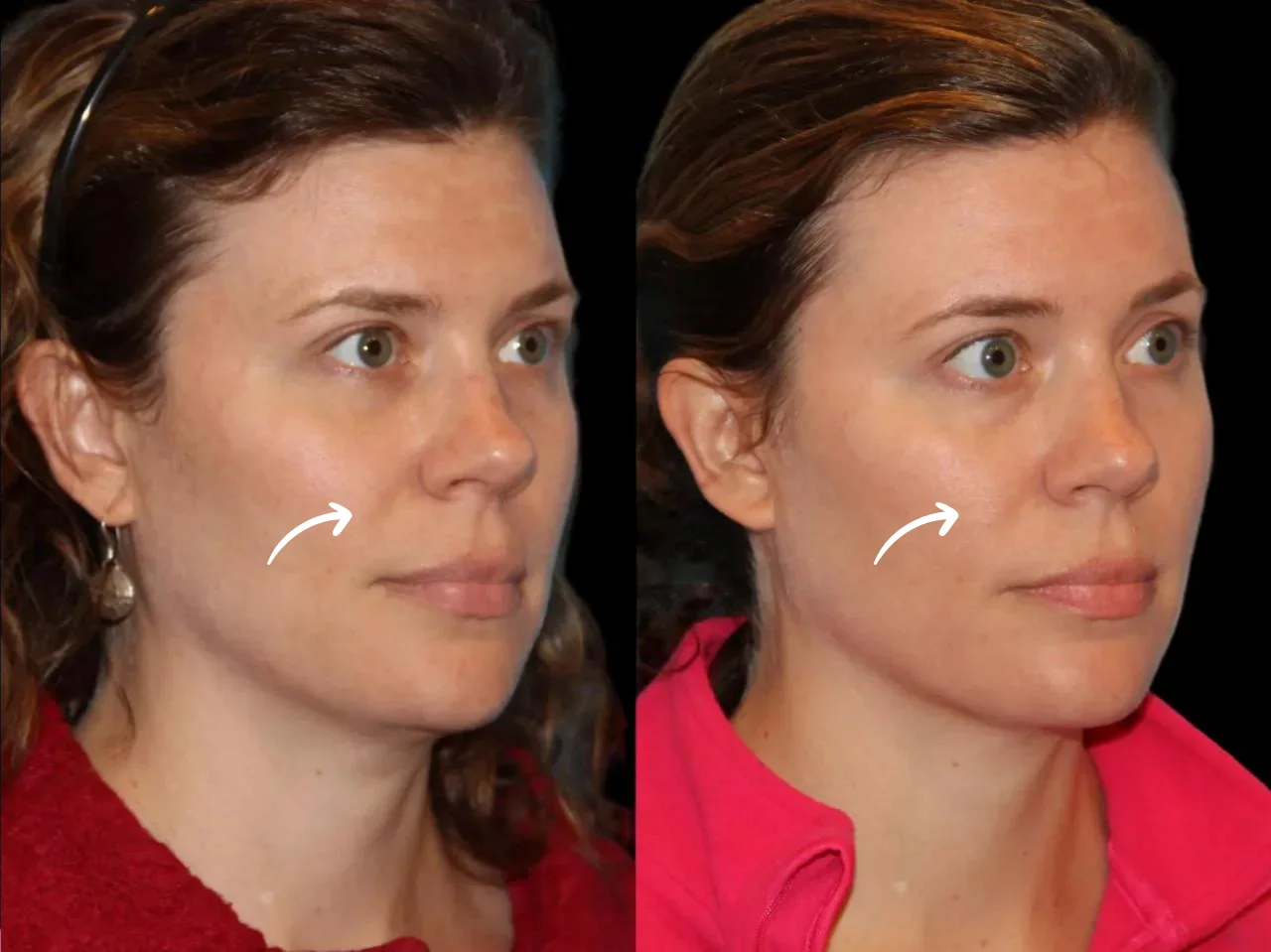

Sculptra in Dubai is an injectable aesthetic treatment designed to stimulate the body’s natural collagen production. Unlike many traditional dermal fillers that add volume directly beneath the skin, it works by encouraging the body’s own collagen-building process. This difference affects how the treatment works, when results become visible, and what patients can expect.
Although collagen-stimulating treatments and conventional fillers can both address certain signs of aging, they do not work in the same way. Traditional fillers often provide a visible change in volume shortly after treatment, while Sculptra is associated with gradual improvements that develop over time. Understanding these differences can help individuals choose an option that better suits their aesthetic concerns and expectations.
This guide explains how Sculptra works, how it compares with other injectable treatments, which areas may be considered, and what patients should discuss with a qualified practitioner before proceeding.
How Sculptra Fillers in Dubai Differs From Traditional Dermal Fillers
Sculptra Fillers in Dubai is an option for individuals interested in gradual aesthetic improvement through collagen stimulation. Its active ingredient, poly-L-lactic acid (PLLA), encourages the body’s natural collagen response rather than working primarily as an immediate volume-filling gel. This distinction is one of the main reasons its treatment process and results differ from those of many conventional fillers.
Traditional hyaluronic acid fillers add volume by placing a gel-like substance beneath the skin. Depending on the product and injection area, they may help soften folds, enhance facial contours, or restore fullness relatively quickly. In comparison, sculptra fillers are associated with collagen stimulation, so visible changes generally develop progressively rather than appearing immediately.
Neither approach is automatically better for every patient. The appropriate choice depends on the area being treated, the type of concern, individual anatomy, and the outcome a person hopes to achieve.
Understanding How Sculptra Works
Sculptra contains poly-L-lactic acid, a biocompatible and biodegradable synthetic material. After administration into the appropriate tissue layer, the particles stimulate a response involving fibroblasts, which are cells responsible for producing collagen.
Collagen helps maintain the skin’s structure, firmness, and support. As natural collagen levels decline with age, the skin may gradually lose some of its firmness and facial volume. By encouraging collagen formation, the treatment aims to support improvements in selected areas over time.
The PLLA material is gradually broken down by the body. The collagen response develops progressively, meaning the final appearance does not occur immediately after the appointment.
How Traditional Fillers Work
Many conventional dermal fillers contain hyaluronic acid, a substance that attracts and retains water. When injected into selected areas, these products can provide immediate volume and help improve the appearance of certain lines, folds, or facial contours.
The results depend on the formulation, injection technique, and treatment area. Some hyaluronic acid fillers can also be adjusted or dissolved using an appropriate enzyme when clinically indicated.
The key difference is the primary mechanism: many traditional fillers provide volume directly, whereas Sculptra is intended to stimulate the body’s collagen production. Understanding the properties of a sculptra dermal filler can help patients distinguish this collagen-stimulating approach from conventional volume-enhancing products.
Key Differences Between Sculptra and Traditional Fillers
The main differences relate to how each treatment works, how quickly results develop, and the concerns each option may address.
- Treatment mechanism: Sculptra stimulates the body’s collagen production, while many traditional hyaluronic acid fillers add volume through a gel-like substance.
- Visible results: Sculptra’s collagen-related improvements develop gradually, whereas traditional fillers often provide an immediate change in volume.
- Treatment planning: Sculptra may require a series of sessions, depending on individual needs. Traditional fillers may involve one or more appointments according to the treatment area and desired outcome.
- Primary purpose: Sculptra is designed to support gradual improvements in selected areas, while traditional fillers are commonly used to address specific volume and contour concerns.
- Result timeline: Collagen-related changes may take weeks or months to develop. Results from many traditional fillers are usually noticeable shortly after administration.
- Reversibility: Sculptra does not have the same dissolving option as hyaluronic acid fillers. Certain hyaluronic acid products can be dissolved when clinically appropriate.
These are general distinctions. The precise outcome and suitability of either treatment depend on the product, the patient’s needs, and the practitioner’s assessment.
What Makes the Best Aesthetic Clinic in Dubai Important for Injectable Treatments?
Choosing the Best Aesthetic Clinic in Dubai involves considering the quality of assessment, practitioner qualifications, product knowledge, and approach to patient safety. Injectable treatments require an understanding of facial anatomy and the differences between available products, as each option has specific uses, limitations, and potential complications.
A suitable clinic should explain why a particular treatment is being recommended instead of simply suggesting the most popular procedure. Patients should receive clear information about expected results, the treatment timeline, possible side effects, and alternative options before making a decision.
The Importance of an Individual Assessment
A consultation should begin with an evaluation of the patient’s skin condition, facial structure, medical history, previous aesthetic procedures, and treatment goals. The practitioner should also ask about allergies, current medications, and any relevant medical conditions.
This assessment helps determine whether collagen stimulation is appropriate or whether a different treatment may better address the concern. For example, someone seeking a specific and immediate contour adjustment may have different needs from someone interested in gradual improvements in skin support.
Discussing Treatment With Dr. Perfect Celebrity
At Perfect Doctors Clinic, patients can discuss their aesthetic concerns with Dr. Perfect Celebrity and learn about the available treatment considerations. A professional consultation should explain the differences between collagen-stimulating treatments and conventional fillers, including the expected timeline and possible risks.
Patients should feel comfortable asking questions and should receive realistic guidance rather than guarantees of a particular result. Treatment decisions should be based on individual suitability and clinical assessment.
What Are the Main Benefits of Sculptra?
The potential benefits of Sculptra stem from its collagen-stimulating mechanism. Rather than creating its main effect through immediate gel-based volume, it aims to encourage gradual changes in the treated tissue.
Gradual, Natural-Looking Improvements
Because results develop progressively, some patients prefer this approach when they want subtle changes rather than an immediate alteration in facial appearance. As collagen production increases, selected areas may develop improved support and a smoother appearance.
However, natural-looking results are not guaranteed. They depend on the treatment plan, injection technique, individual anatomy, and biological response.
Support for Skin Structure
Collagen contributes to the skin’s firmness and structural framework. Stimulating its production may help improve selected concerns associated with age-related changes in skin quality and volume.
The treatment is not a replacement for every skin-rejuvenation procedure. A practitioner should assess whether collagen stimulation is suitable for the specific concern.
A Different Approach to Volume Loss
Some people prefer a treatment that works gradually rather than relying on immediate volume placement. Sculptra may be considered for selected patients experiencing age-related changes, although it is not suitable for every type of volume loss or facial contour concern.
Which Areas May Be Considered for Treatment?
The treatment area must be selected according to the product’s approved indications, available clinical evidence, local regulatory requirements, and the practitioner’s qualifications. Patients should not assume that a product suitable for one area can automatically be used elsewhere.
Facial Rejuvenation and Contour
For appropriate patients, sculptra face treatment may be discussed when age-related changes involve reduced facial volume or skin support. The practitioner assesses the areas of concern and determines whether collagen stimulation is a suitable option.
The cheeks may also be evaluated as part of a facial treatment plan. Sculptra cheeks is a term used when people research options for addressing selected cheek-volume concerns, but the suitability of treatment depends on individual anatomy and clinical assessment.
Neck Treatment Considerations
The neck has different skin characteristics from many facial areas, including differences in thickness and movement. People researching sculptra for neck procedures should understand that treatment suitability requires careful evaluation of the intended area, available evidence, and potential risks.
A practitioner should explain whether the proposed treatment is appropriate and discuss alternatives when evidence or product indications do not support the requested use.
Body-Contouring Queries
People may encounter terms such as sculptra for buttocks when researching injectable approaches to body contouring. Related searches, including sculptra buttock injections and sculptra filler for buttocks, often reflect interest in improving the appearance of buttock shape or volume.
The phrase “buttocks sculptra” may also appear in discussions about non-surgical body-contouring options. Similarly, people researching sculptra for hip dips may be looking for ways to change the appearance of the transition between the hips and thighs.
These body-related applications require particular caution. Evidence and safety information for facial use should not automatically be applied to the buttocks or other body areas. Patients should ask about the product’s regulatory status, clinical evidence for the proposed area, practitioner experience, and possible complications before considering any such procedure.
What Happens During a Sculptra Treatment Session?
The treatment process usually involves consultation, preparation, product administration, and follow-up. The exact steps depend on the treatment area and the individual’s needs.
Before the Appointment
The practitioner reviews the patient’s medical history, allergies, medications, previous procedures, and treatment goals. Patients should disclose all relevant information and follow any preparation instructions provided by the clinic.
The consultation is also an opportunity to discuss the expected number of sessions, possible discomfort, recovery considerations, and the gradual nature of the results.
During Product Administration
The skin is prepared before the product is administered using an appropriate injection technique. The placement and depth of sculptra injections depend on the treatment area and the practitioner’s clinical assessment.
Patients may experience temporary discomfort during the procedure. The practitioner should explain what to expect and provide instructions for the immediate recovery period.
After the Procedure
Temporary redness, swelling, tenderness, bruising, or discomfort may occur around the injection sites. These effects generally improve as the area recovers, although the recovery experience varies between individuals.
Patients should follow the aftercare instructions provided by their practitioner. They should not massage the treated area or change their routine unless specifically instructed to do so.
When Do Results Develop and How Long Can They Last?
Sculptra does not produce its main collagen-related effect immediately. The initial appearance may be influenced by temporary swelling or the fluid used during administration, but these changes are not the final result.
Understanding the Results Timeline
Collagen production develops gradually, so visible improvements may take several weeks or months. The timing varies according to the patient’s biological response, the treatment area, and the number of sessions recommended.
Some patients may require a series of appointments to achieve the intended improvement. The practitioner should determine the schedule based on individual progress rather than applying the same plan to everyone.
How Long May Improvements Remain Visible?
The duration of results varies. Factors such as age, skin condition, metabolism, lifestyle, treatment area, and the number of sessions can influence how long improvements remain noticeable.
The treatment is not permanent and does not stop the natural aging process. Follow-up appointments can help assess the outcome and determine whether any additional treatment is appropriate.
Understanding Treatment Pricing and Overall Value
The cost of an injectable treatment depends on more than the product itself. Patients should consider the recommended number of sessions, quantity of product, treatment area, practitioner expertise, and follow-up arrangements.
What Influences Injectable Treatment Pricing?
The Sculptra Cost in Dubai may vary according to the patient’s treatment goals, the amount of product required, and the complexity of the procedure. Some patients may need a different treatment schedule depending on their skin condition and response.
During consultation, patients should request a clear explanation of the proposed plan, including what is covered in the treatment fee and whether follow-up appointments involve additional charges.
Comparing Treatment Plans
When reviewing the sculptra cost, patients should consider the complete treatment plan rather than comparing the price of a single appointment in isolation. Product authenticity, practitioner qualifications, appropriate administration, and patient safety are important parts of the decision.
The sculptra price should therefore be considered alongside the suitability of the procedure and the quality of clinical care. A lower price does not necessarily indicate better value if important safety or treatment considerations are overlooked.
Potential Side Effects and Safety Considerations
Like other injectable procedures, Sculptra carries potential side effects and complications. Understanding these risks is an essential part of informed decision-making.
Common Temporary Reactions
Possible short-term effects include:
- Redness around the injection sites.
- Swelling and tenderness.
- Bruising or minor bleeding.
- Temporary discomfort or itching.
- Small lumps or bumps beneath the skin.
Some lumps or nodules may appear later and require assessment by a qualified practitioner. Patients should contact their clinic if they notice unusual or persistent changes.
Less Common but Serious Complications
Rare complications can include infection, persistent nodules, allergic reactions, or vascular complications. Unintended injection into or near a blood vessel can cause serious tissue damage and requires urgent medical attention.
Patients should seek immediate medical assessment if they experience severe or worsening pain, unusual skin discoloration, vision changes, or other concerning symptoms after an injectable procedure.
Who May Not Be Suitable?
People with certain allergies, a history of keloid or hypertrophic scarring, or active infection in the intended treatment area may not be suitable candidates. Pregnancy and breastfeeding also require special consideration because safety has not been established for these groups.
Anyone with relevant medical conditions or taking medications that may affect treatment should discuss these factors with the practitioner before proceeding.
Why Professional Guidance Matters When Choosing a Provider
Choosing an injectable treatment requires an understanding of both aesthetic goals and medical considerations. Best Doctors in Dubai is a phrase people may use when researching experienced aesthetic practitioners, but patients should evaluate actual qualifications, relevant experience, and clinical standards rather than relying on a search phrase alone.
Professional guidance is especially important when comparing collagen-stimulating treatments with conventional fillers. A product that is suitable for one treatment area may not have the same evidence or safety profile in another.
Patients should ask about the practitioner’s experience with the specific procedure, the product being used, potential complications, and the steps available if an adverse reaction occurs. Clear communication helps patients understand the treatment before making a decision.
Conclusion
Sculptra differs from many traditional dermal fillers because its primary purpose is to stimulate the body’s collagen production rather than provide immediate volume through a gel-based product. This difference affects how results develop, what concerns may be addressed, and how treatment should be planned.
Traditional fillers may be more appropriate for certain immediate contouring or volume-related goals, while collagen stimulation may suit selected patients who prefer gradual changes. Neither option is right for everyone, and the best approach depends on individual needs, clinical suitability, and realistic expectations.
A consultation with an appropriately qualified practitioner can help patients understand the available options, compare their benefits and limitations, and make an informed decision about treatment.
Frequently Asked Questions
1. How Is Sculptra Different From Traditional Fillers?
Sculptra stimulates the body’s natural collagen production, while many traditional hyaluronic acid fillers add volume directly beneath the skin. As a result, their treatment mechanisms and result timelines are different.
2. Does Sculptra Provide Immediate Volume?
Temporary fullness may appear after treatment because of swelling or injection fluid. However, the main collagen-related improvement develops gradually rather than appearing immediately.
3. Is Sculptra a Type of Hyaluronic Acid Filler?
No. Sculptra contains poly-L-lactic acid, which stimulates collagen production. Many conventional fillers contain hyaluronic acid and work primarily by adding volume.
4. How Many Sessions May Be Needed?
The number of sessions depends on the patient’s concerns, treatment area, and response. A practitioner determines the appropriate schedule after assessing the individual.
5. Is the Treatment Suitable for Every Skin Type?
Suitability depends on more than skin type. Medical history, allergies, treatment goals, skin condition, and other clinical factors must be reviewed before proceeding.
6. When Should Patients Expect Visible Improvements?
Changes generally develop over several weeks and months as collagen production increases. The exact timeline varies between individuals.
7. Can Sculptra Replace All Traditional Dermal Fillers?
No. The treatments have different mechanisms and purposes. Traditional fillers may be more suitable for certain immediate volume or contour concerns, while collagen stimulation may be considered for selected gradual improvements.
8. Are There Any Side Effects?
Temporary swelling, redness, tenderness, bruising, or small lumps may occur. Less common complications can be more serious, which is why treatment should be performed by an appropriately qualified practitioner.
9. Can Patients Combine Sculptra With Other Aesthetic Treatments?
Some treatment plans may involve more than one aesthetic procedure. However, the timing, suitability, and potential interactions should be assessed by a qualified practitioner rather than decided independently.
10. What Should Patients Ask Before Treatment?
Patients should ask about practitioner qualifications, product details, suitability for the intended area, expected results, number of sessions, possible complications, aftercare, and the complete treatment cost. These questions can help them make a more informed decision.



Join the conversation