
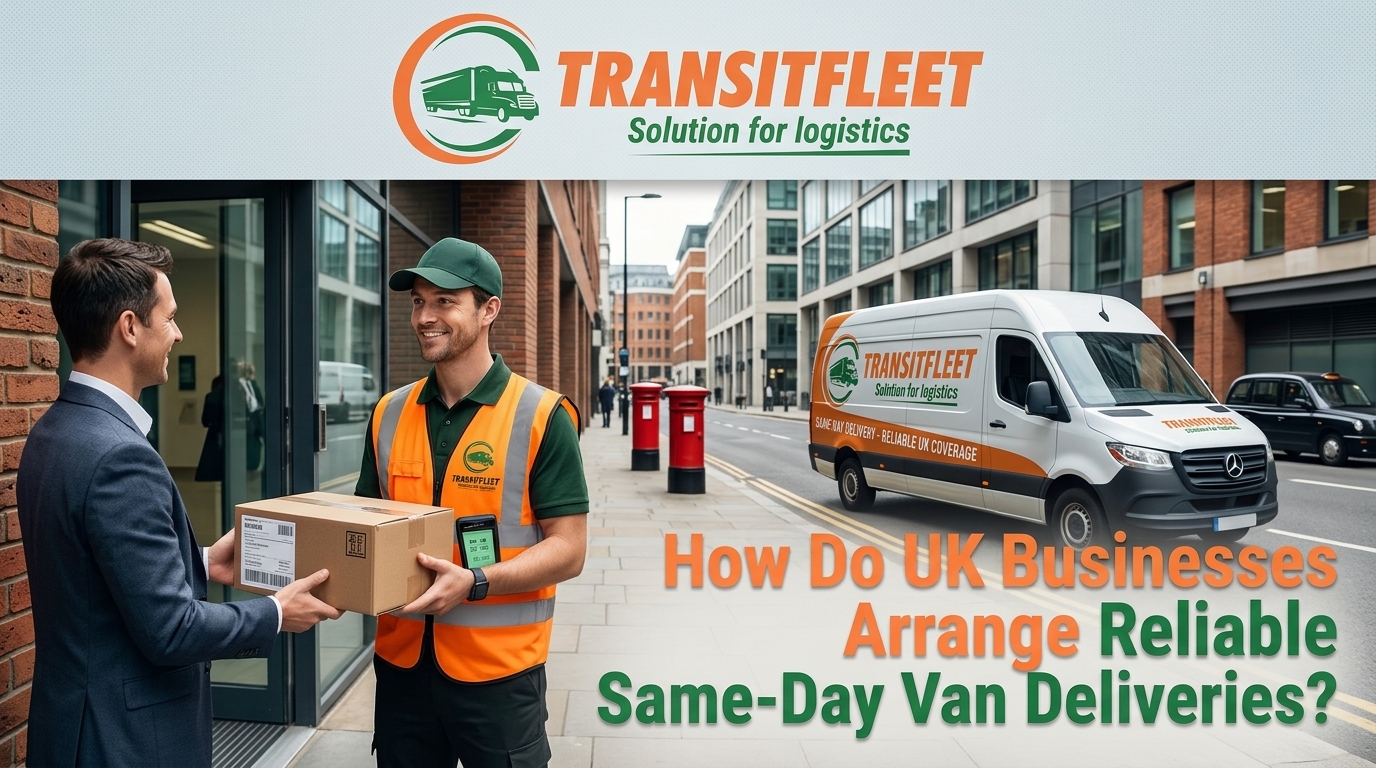

A customer needs an order before the end of the day. A shop has run out of stock, or a tradesperson is waiting for a part to finish a job. These situations can put pressure on any business, especially when the goods need to reach another town in a few hours.
For many UK businesses, same-day van delivery is a practical way to deal with urgent transport needs. It can help move goods quickly without asking staff to leave their normal duties and make the journey themselves.
But booking a van at short notice is not just about finding the first available driver. You need to share the right details, agree on a realistic delivery time and make sure the vehicle suits your goods.
So, how do businesses arrange a reliable same-day delivery? Here are the steps that can help you book with confidence, avoid extra costs and keep your customers happy.
1. Decide How Urgent the Delivery Really Is
Before contacting a delivery company, work out when the goods need to arrive.
Some deliveries are urgent because a customer has paid for a same-day order. Others may be needed to keep a repair job, building project or shop running.
Be clear about the deadline. There is a difference between needing a delivery today and needing it before 12 noon.
Write down:
- The collection time you can manage.
- The latest acceptable arrival time.
- Whether the delivery can happen in the evening.
- Whether the goods need to reach a named person.
- What happens if the delivery arrives late.
This information helps the provider decide whether it can meet your request. It also avoids confusion later.
If the deadline is flexible, say so. A wider delivery window may give the company more options when planning the journey.
2. Choose a Delivery Company That Covers Your Route
Not every delivery company covers every part of the UK. Some focus on local work, while others handle longer journeys between cities and towns.
Start by checking whether the provider serves both your collection and delivery areas. If you need to move goods from Birmingham to Manchester, for example, make sure the company can arrange that route on the day you need it.
Ask a few simple questions:
- Do you cover both postcodes?
- Can you collect at short notice?
- Are evening or weekend deliveries available?
- Can you handle regular bookings as well as one-off jobs?
- What happens if traffic affects the arrival time?
A local provider may be a good fit for short journeys. For longer routes, look for a company with suitable coverage and experience in business transport.
Do not rely on a general statement such as “UK-wide delivery”. Confirm that your exact route is available.
3. Give Accurate Details About the Goods
One of the easiest ways to avoid a booking problem is to explain exactly what needs moving.
A small van may be fine for a few boxes, but it may not have enough room for furniture, large equipment or a heavy load. If the company sends the wrong vehicle, the collection could be delayed or cancelled.
When requesting a quote, provide:
- The number of items.
- Approximate weight and dimensions.
- Whether the goods are fragile.
- Any special loading or unloading needs.
- Whether the driver needs help at either address.
For example, a business sending computer equipment should mention that the goods need careful handling. A building supplier moving heavy materials should provide accurate weights.
This allows the company to choose a suitable vehicle and plan the job properly.
4. Compare Quotes Before You Confirm the Booking
Same-day delivery often costs more than a planned delivery. The driver may need to be arranged quickly, and the journey may require a dedicated vehicle.
However, the highest quote is not always the best, and the cheapest one may leave out important services.
Ask each provider for a clear breakdown. Check whether the price includes:
- Collection and delivery.
- Mileage and fuel.
- Loading and unloading.
- Waiting time.
- Out-of-hours charges.
- Any additional handling fees.
Give each company the same details so you can compare prices fairly.
It is also worth asking whether the quote is fixed or estimated. If extra charges may apply, ask when and why they would be added.
A clear price makes it easier to manage your transport budget and avoid a nasty surprise when the invoice arrives.
5. Book a Suitable Van Courier Service
Once you know the route, deadline and load details, you can choose the right type of transport.
A reliable van courier service can help businesses move urgent stock, tools, spare parts and equipment without arranging their own vehicle and driver.
The important point is to match the service to the job. A few cartons may only need a small van, while bulky goods may require a larger vehicle.
Before confirming the booking, check:
- The vehicle size and carrying capacity.
- The collection and delivery addresses.
- The agreed time window.
- The contact details for both locations.
- The total price and any extra charges.
- The provider’s insurance arrangements.
Ask for booking confirmation in writing. Keep the reference number and contact details somewhere your team can find them.
6. Prepare the Goods Before the Driver Arrives
A driver cannot make up for time lost because the goods are still being packed.
Have everything ready before the agreed collection time. Check that items are packed safely, labelled correctly and easy to access.
For business deliveries, it helps to:
- Keep the goods together in one collection area.
- Remove old or incorrect labels.
- Protect fragile items with suitable packaging.
- Make sure large items can be moved safely.
- Have any delivery notes or paperwork ready.
Also check access at the collection point. If the van cannot park near the entrance, tell the provider in advance.
These small details can save waiting time and help the driver get on the road without unnecessary delays.
7. Stay in Contact During the Delivery
Booking the van is only one part of the job. Your team should know how to get an update if something changes.
Ask the provider how it shares delivery updates. Some companies use phone calls, while others may offer email or tracking information.
Make sure someone is available at the delivery address. If the driver arrives and nobody can accept the goods, the delivery may take longer and extra waiting charges could apply.
If the delivery is time-sensitive, keep the receiver informed too. A quick message with the expected arrival window can help them prepare.
Traffic, roadworks and weather can affect journeys across the UK. A good provider should tell you when there is a problem and explain what happens next.
8. Check Delivery Times and Plan Ahead
Same-day transport does not mean every journey will take the same amount of time. A short trip across town may take less time than a longer route between cities, but traffic and access can change the estimate.
When planning a booking, consider:
- The distance between both addresses.
- The time of day.
- Busy roads and likely traffic.
- Collection and unloading time.
- Any delivery deadline at the destination.
If you want to understand the expected journey time in more detail, read this useful guide: How Long Does Van Delivery Take. It can help you plan a suitable delivery window before confirming your booking.
Avoid giving customers an arrival time that has not been confirmed by the provider. It is better to share a realistic estimate than promise a delivery time you cannot control.
9. Check Insurance and Delivery Terms
Businesses often send goods that have real value. If something gets damaged or goes missing, you need to know what protection is available.
Ask the delivery company about its goods-in-transit insurance. Check the cover limit, exclusions and whether the type of goods you are sending is included.
You should also understand the booking terms.
Pay attention to:
- Cancellation rules.
- Changes to collection or delivery addresses.
- Waiting-time charges.
- Responsibility for loading and unloading.
- The process for reporting damaged goods.
If you send expensive equipment or specialist items, ask whether extra cover is needed.
Do not assume every provider offers the same level of protection. Get the details before handing over your goods.
10. Build a Reliable Delivery Routine
Some businesses only need same-day transport once in a while. Others may need it several times each week.
If urgent deliveries are becoming common, keep a record of your bookings. Note the routes, prices, collection times and any problems.
This helps you spot patterns. You may find that certain routes are used often or that late bookings are costing more than planned.
You can then discuss regular transport arrangements with your provider. A planned schedule may make it easier to manage costs and organise collections.
It is also worth reviewing the service every few months. Check whether deliveries arrive as agreed, prices remain clear and communication is good.
How Transit Fleet Can Support Business Deliveries
For UK businesses, arranging urgent transport should not mean spending the day searching for a driver or chasing updates.
Transit Fleet provides van delivery and wider transport support for businesses that need help moving goods. Its services also include transport management, backload services and traction work.
Whether you need help with a one-off delivery or regular transport, explain your collection point, destination, load size and deadline when making an enquiry. This gives the team the details needed to discuss a suitable option.
Conclusion: Arrange Same-Day Deliveries Without the Last-Minute Stress
Reliable same-day van delivery starts with clear planning. Choose a provider that covers your route, explain what needs moving and agree on a realistic arrival time. Check the quote, vehicle and insurance before confirming the job.
These steps can help prevent delays, reduce booking problems and give your customers a better delivery experience.
If your business needs trusted UK van delivery support, explore Transit Fleet’s transport services. Get in touch to discuss your delivery needs and find out how the team can help with one-off or ongoing transport work.
Frequently Asked Questions
1. How do UK businesses book same-day van delivery?
Businesses usually contact a delivery provider with the collection address, delivery postcode, load details and required arrival time. The provider then checks availability and gives a quote.
2. Is same-day van delivery available across the UK?
Availability depends on the provider, route, collection time and vehicle capacity. Always confirm both postcodes before booking.
3. What information is needed for a same-day van delivery quote?
You should provide the collection and delivery addresses, item sizes, approximate weight, number of goods and required delivery time. Mention any special handling or access needs.
4. Does same-day van delivery cost more?
It often costs more than standard delivery because the job needs quick planning and may require a dedicated vehicle. The price depends on distance, load size, timing and extra services.
5. How can a business avoid same-day delivery delays?
Prepare goods before collection, provide accurate addresses, check access at both locations and make sure someone is available to receive the delivery. Keep in touch with the provider for updates.



Join the conversation