

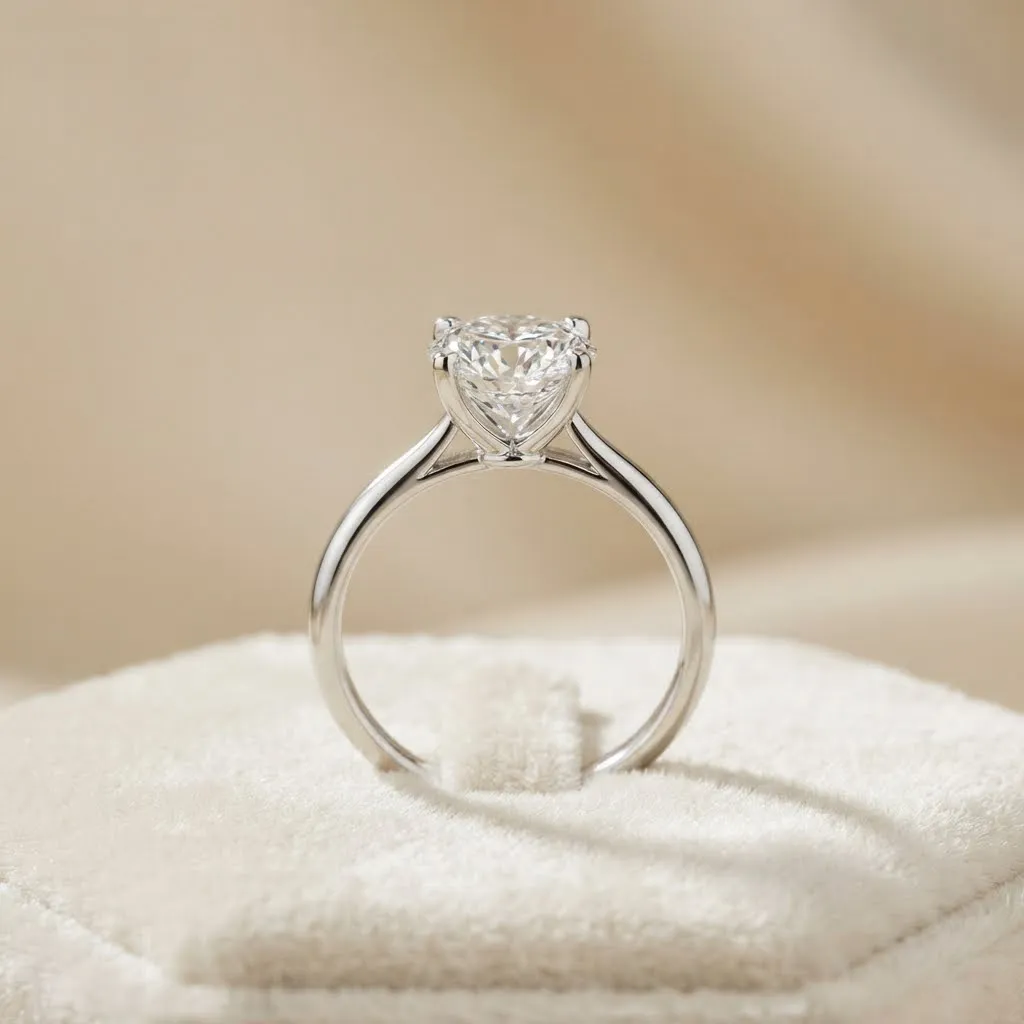

Choosing a diamond for an engagement ring is an important decision. Couples often look for a stone that offers lasting beauty, excellent quality, and a design that reflects their relationship. While natural diamonds have traditionally been popular, modern jewellery options have introduced another choice for buyers. Laboratory-grown diamonds have gained attention because they provide the appearance and physical properties of real diamonds while offering different pricing opportunities. A lab grown diamond for engagement ring designs can be an excellent option for couples who want to explore contemporary jewellery without compromising on diamond quality.
What Is a Lab Grown Diamond and How Is It Made?
A lab-grown diamond is a genuine diamond produced in a controlled laboratory environment. Unlike imitation stones such as cubic zirconia or moissanite, it has the same basic chemical composition and crystal structure as a natural diamond.
Scientists use advanced technology to recreate the conditions required for diamond formation. There are two widely used production methods:
High Pressure High Temperature (HPHT): This method uses high pressure and high temperature to help carbon form a diamond crystal.
Chemical Vapour Deposition (CVD): This process uses a carbon-rich gas inside a specialised chamber to grow diamond material layer by layer.
After production, the diamonds are cut and polished to create different shapes and finishes suitable for fine jewellery.
Why Are Lab Grown Diamonds Becoming Popular for Engagement Rings?
Modern couples often want jewellery that combines traditional elegance with practical buying considerations. Lab-grown diamonds offer an additional choice for people who want to personalise their engagement ring.
One important attraction is their price. They generally cost less than comparable natural diamonds, allowing buyers to consider different carat weights, shapes, and settings within their budget.
Other reasons for their growing popularity include:
Real diamond properties: They have the same fundamental physical and chemical properties as natural diamonds.
More design choices: Buyers can explore a wide range of cuts, sizes, and settings.
Budget flexibility: Savings may allow couples to choose a different ring design or a larger centre stone.
Contemporary appeal: They suit people interested in modern jewellery options.
Personalisation: Different combinations of diamond shapes and precious metals make it easier to create a distinctive ring.
However, buyers should remember that lab-grown diamonds and natural diamonds can differ significantly in resale value and long-term market pricing.
What Diamond Size Should You Choose?
Carat weight is one of the first things buyers consider when selecting an engagement diamond. However, a larger diamond is not always the best choice. Its proportions, cut quality, and shape also influence how impressive it looks.
For example, a one-carat round diamond and a one-carat oval diamond may have different face-up dimensions. Some elongated shapes can appear larger because of their surface area.
When comparing diamond sizes, consider:
Your preferred appearance and overall ring proportions.
The size and design of the engagement ring band.
The diamond’s cut quality and visual brilliance.
Your available budget.
Whether the ring will be worn comfortably every day.
Choosing a balanced combination of size and quality can create a more attractive result than focusing on carat weight alone.
Which Diamond Cuts Are Suitable for Engagement Jewellery?
The cut and shape of a diamond influence the personality of the entire ring. Some styles are traditional, while others offer a more distinctive appearance.
Round Brilliant Diamond
Round brilliant diamonds are a classic engagement choice. Their symmetrical proportions and multiple facets are designed to maximise light reflection, creating noticeable sparkle.
Oval Diamond
Oval diamonds offer an elegant and elongated appearance. They are suitable for people who appreciate the brilliance of a round diamond but prefer a slightly different shape.
Cushion Cut
Cushion-cut diamonds combine a square or rectangular outline with rounded corners. Their soft appearance gives engagement rings a romantic and vintage-inspired character.
Emerald Cut
Emerald-cut diamonds feature long step-cut facets and a rectangular outline. They create a sophisticated look with broad flashes of light rather than the intense sparkle associated with brilliant cuts.
Pear-Shaped Diamond
Pear-shaped stones combine a rounded end with a pointed tip. This distinctive shape works beautifully in both simple and decorative engagement ring designs.
How Do You Choose the Right Ring Setting?
The setting is responsible for holding the diamond securely while defining the ring’s overall style. A suitable setting should complement the centre stone and fit the wearer’s everyday lifestyle.
Classic Prong Setting: Small metal claws hold the diamond in place while allowing plenty of light to enter the stone.
Hidden Halo Setting: A circle of smaller diamonds sits beneath the centre stone, adding subtle sparkle without changing the traditional appearance from above.
Cathedral Setting: The band rises towards the centre diamond through elegant metal arches, creating a refined and structured design.
East-West Setting: An elongated diamond is placed horizontally across the band, offering a modern alternative to traditional vertical arrangements.
Three-Stone Setting: A centre diamond is accompanied by two smaller side stones, creating a balanced design with room for personal symbolism.
What Should You Know About the 4Cs?
The 4Cs are essential when evaluating any diamond, whether it is laboratory-grown or naturally formed. Understanding these factors helps buyers compare stones more confidently.
Cut Quality
Cut quality influences a diamond’s brightness, fire, and sparkle. A well-proportioned stone can look lively and attractive even when it is not the largest option available.
Colour Grade
Colour grading evaluates how much colour is visible in a diamond. Colourless and near-colourless grades are popular, but slightly warmer stones can also look beautiful, especially in yellow or rose gold settings.
Clarity Grade
Clarity describes internal inclusions and surface blemishes. Not every characteristic is visible to the naked eye, so buyers should consider how the diamond looks in normal lighting rather than choosing a grade based on numbers alone.
Carat Weight
Carat refers to the weight of the diamond. It does not directly measure its diameter or visual size, so comparing actual measurements is helpful when choosing between different shapes.
Should You Choose a Certified Lab Grown Diamond?
Documentation is an important part of purchasing a diamond. A grading report from a recognised gemological laboratory provides information about the stone’s characteristics and helps buyers understand what they are purchasing.
Before buying, check that the report:
Clearly identifies the diamond as laboratory-grown.
Includes its carat weight and measurements.
Provides colour and clarity grades.
Contains cut information where applicable.
Includes a report number that can be verified with the issuing laboratory.
Certification does not guarantee that every diamond will look equally attractive. It provides useful grading information, while visual inspection helps buyers assess the stone’s overall appearance.
How Can You Match the Diamond With the Right Metal?
The metal used in an engagement ring can influence its overall appearance. Different metals create different visual effects and complement various diamond styles.
Platinum is known for its naturally white appearance and durability. White gold offers a similar bright finish and suits modern designs. Yellow gold creates a warm contrast against a colourless diamond, while rose gold adds a softer pink tone.
When choosing a metal, consider the wearer’s personal style, existing jewellery, maintenance preferences, and skin comfort. It is also worth checking the metal’s purity and the jeweller’s warranty details.
Are Lab Grown Diamonds a Good Long-Term Jewellery Choice?
Lab-grown diamonds are suitable for long-term jewellery use because they have the same hardness as natural diamonds. They are appropriate for everyday engagement rings, although the setting and band still need proper care.
Their resale and upgrade considerations are different from those of natural diamonds. Lab-grown diamond prices have changed as production technology has developed, so buyers should not assume that the original purchase price will be recovered when reselling.
For couples purchasing an engagement ring primarily for its beauty and sentimental meaning, this may be less important than choosing a design they genuinely enjoy wearing.
How Should You Care for Your Engagement Ring?
Regular maintenance helps preserve the appearance of an engagement ring. Dust, soap, lotions, and everyday residue can collect around the diamond and reduce its sparkle.
Use a gentle cleaning method recommended by your jeweller. A soft brush, mild soap, and warm water may be suitable for many rings, but certain settings or additional gemstones may require special care.
It is also sensible to:
Remove the ring before heavy physical activities.
Avoid exposing it to harsh cleaning chemicals.
Store it separately to reduce scratching against other jewellery.
Check the prongs and setting regularly.
Arrange professional cleaning and inspection when needed.
These simple habits can help keep the ring looking attractive over time.
Conclusion
Selecting an engagement diamond is about finding the right balance between beauty, quality, design, and budget. Laboratory-grown diamonds provide couples with another way to explore genuine diamond jewellery in different shapes, sizes, and settings. By comparing the 4Cs, reviewing grading reports, and choosing a suitable metal and setting, buyers can make a more informed decision. A carefully selected lab grown diamond for engagement ring design can become a meaningful piece of jewellery that celebrates a special relationship.
Frequently Asked Questions
1. Is a lab-grown diamond suitable for an engagement ring?
Yes. Lab-grown diamonds are real diamonds and are suitable for engagement rings. They offer the same fundamental hardness and physical properties as natural diamonds.
2. Do lab-grown diamonds look different from natural diamonds?
They generally look the same to the naked eye. Their chemical composition and crystal structure are also the same, although specialised gemological equipment can identify their different origins.
3. Are lab-grown diamonds less expensive than natural diamonds?
Yes. Lab-grown diamonds are generally more affordable than natural diamonds with comparable characteristics. Exact prices depend on size, cut, colour, clarity, and the seller.
4. Which lab-grown diamond cut is best for an engagement ring?
Round brilliant is a popular option for maximum sparkle, while oval, cushion, emerald, pear, and princess cuts offer different styles. The best choice depends on personal preference.
5. Can lab-grown diamonds last a lifetime?
Yes. Diamonds are extremely hard gemstones, and lab-grown diamonds have the same hardness as natural diamonds. Proper care of the ring’s setting is also important for long-term use.
6. Should I check a grading report before purchasing?
Yes. A grading report helps verify important diamond characteristics, including carat weight, colour, clarity, and other available grading details. Always confirm that the report identifies the stone as laboratory-grown.


Join the conversation