


By the end, you can rank a merchandise
wish list by what people are likely to keep and what may be used only
once, before requesting quotes. A promotional merchandise program is a
planned mix of branded items for an event, campaign, onboarding effort,
or client outreach.
You have one budget figure and a list of
polos, bags, drinkware, and pens, yet splitting it evenly says little
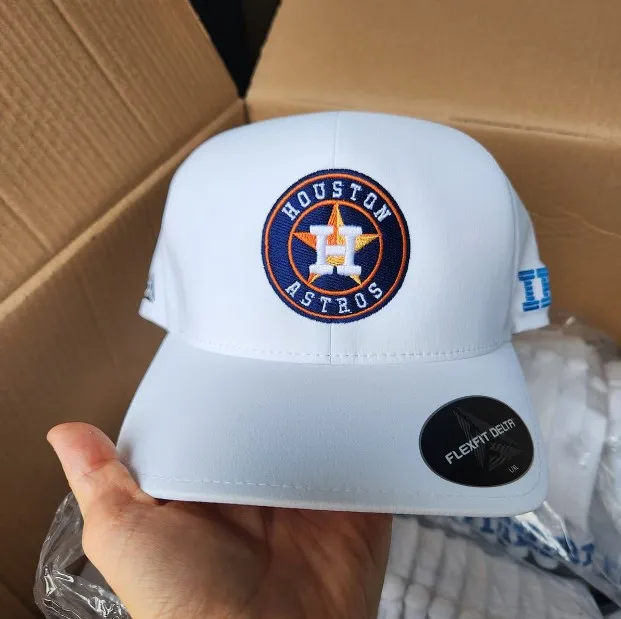
about which items merit more. Durable apparel may call for a
conversation with a local embroidery company in Houston about repeat-order needs, while handout items serve a different purpose in the plan.
Recipients and Repeat Use
Staff members who will wear a shirt during
customer visits belong in a different budget category from booth
visitors who receive a pen to take home after the event. Consider how
often recipients will encounter the item, whether it must hold up to
regular use, and how many people need one. A smaller recipient group can
warrant a sturdier choice. For a large event audience, simpler handouts
may be the practical way to reach more people.
Why Usefulness Wins Budget
Let usefulness guide the larger share of a
merchandise budget, since useful items tend to remain in circulation
longer. Keep rate measures the share of recipients who hold onto an item
rather than discard it after one use.
PPAI consumer research on promotional products reports
that two out of three surveyed consumers said usefulness was the main
reason they kept a branded item. The study also found that 54% still had
the last promotional product they received, while 61% clearly
remembered the brand that gave it to them.
Seen and Kept
A branded item merits a larger budget if
it stays visible after an event or campaign has ended. PPAI market
economist Alok Bhat calls a successful promotional product one that
“gets seen and kept”.
A work polo or desk drinkware item can
keep a brand in view while the recipient uses it in daily routines.
Novelty giveaways may still have a purpose, but they warrant a smaller
share of the budget if their role is limited to a brief interaction.
Budget Split
Prioritize items people will use
repeatedly, then set aside a smaller share for one-time distribution.
These giveaways serve a brief interaction, not ongoing use.
Sort each planned item into a category before requesting quotes:
- Repeat-wear apparel serves staff or selected clients.
- Functional desk or travel items support regular use.
- Broad-distribution items fill event tables or attendee bags.
- One-touch novelty items support quick awareness.
A polo, jacket, or sturdy bag may warrant a
larger share of the budget if recipients have reason to use it again.
Pens, stickers, and similar handouts are better as supporting items when
the aim is reach, not long-term retention.
Planning Before Shopping
A merchandise budget is more useful when treated as a planned marketing expense, not a last-minute shopping list. The SBA’s small-business planning guidance lists creating a marketing plan among routine business-management tasks.
Decide on the total budget, recipient
groups, and purpose for each item before weighing product options.
Approval also tends to move faster when the budget explains why reusable
items deserve more funding than giveaway quantities.
Non-Apparel Roles
Non-apparel items suit the share of the
budget reserved for broad distribution and daily use. Bags, drinkware,
and basic tech products can carry a campaign message while staying
distinct from apparel planned for a smaller audience.
Once the split is set and quantities are clear, a search for promotional products in Houston can
help identify options. The plain phrase promotional products Houston
should point to category choices, not take the place of deciding who
gets each item and why.
In Closing
A sensible merchandise budget doesn’t need
an even division between apparel and giveaways. Each category needs a
reason tied to the recipient, expected lifespan, and likelihood of
repeat use.
Sort the wish list into repeat-use and
one-touch items before requesting quotes, then assign the larger share
to the items people are most likely to keep using. Could everyone
approving the order see which items deserve the larger share of the
budget?


Join the conversation