
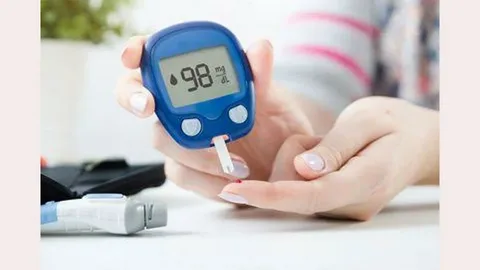

Monitoring blood glucose is an important part of maintaining good health, especially for people who have diabetes or are at risk of developing it. When searching for a sugar test lab near me, patients should consider laboratory reliability, testing options, report accuracy, and convenience. Choosing a suitable diagnostic laboratory can make regular health monitoring easier.
Common Types of Blood Sugar Tests
Different blood glucose tests provide different types of information. A healthcare professional can recommend the appropriate test based on symptoms, medical history, and screening requirements.
1. Fasting Blood Sugar Test
This test measures glucose levels after a period of fasting, usually overnight. It is commonly used for diabetes screening and monitoring.
2. Random Blood Sugar Test
A random blood sugar test measures glucose at any time of the day, regardless of when the person last ate. It may be used when immediate assessment is needed.
3. HbA1c Test
The HbA1c test measures glycated haemoglobin and provides an estimate of average blood glucose levels over approximately the previous two to three months. It is useful for assessing longer-term glucose control and supporting diabetes diagnosis.
4. Post-Meal Blood Sugar Test
This test measures blood glucose after eating, commonly at a specified interval after a meal. It helps healthcare professionals understand how the body responds to food.
What to Consider When Choosing a Sugar Test Laboratory
Not every laboratory offers the same services or testing arrangements. Before booking a test, consider these factors:
-
Laboratory quality: Choose a laboratory with appropriate quality-control procedures and qualified technical staff.
-
Available tests: Confirm whether the facility offers fasting glucose, random glucose, and HbA1c testing.
-
Transparent pricing: Ask about the test fee, additional charges, and available packages.
-
Report delivery: Check expected reporting time and whether online reports are available.
-
Convenient location: Consider accessibility, opening hours, and home sample collection options.
These factors can help patients choose a laboratory that suits their requirements.
Why Regular Blood Sugar Monitoring Matters
Regular glucose monitoring can help identify abnormal blood sugar levels and support better diabetes management. People diagnosed with diabetes may need periodic testing according to their healthcare provider’s recommendations.
The frequency and type of testing depend on individual health conditions, treatment plans, and clinical needs. Test results should always be interpreted in consultation with a qualified healthcare professional rather than used for self-diagnosis.
Preparing for a Blood Sugar Test
Preparation depends on the type of test being performed. Fasting blood sugar testing generally requires fasting for the period specified by the laboratory or healthcare professional. Random glucose testing usually does not require fasting, while HbA1c testing generally does not require fasting.
Patients should confirm preparation instructions before visiting the laboratory to avoid delays or inaccurate results.
Final Thoughts
Finding a suitable sugar testing laboratory involves checking test availability, quality standards, pricing, and reporting services. Whether someone needs a routine glucose test or an HbA1c assessment, following professional medical advice and choosing a reliable diagnostic facility can support informed health decisions.
For more informative articles and practical guides on different subjects, visit DigiMoney Blogger.



Join the conversation