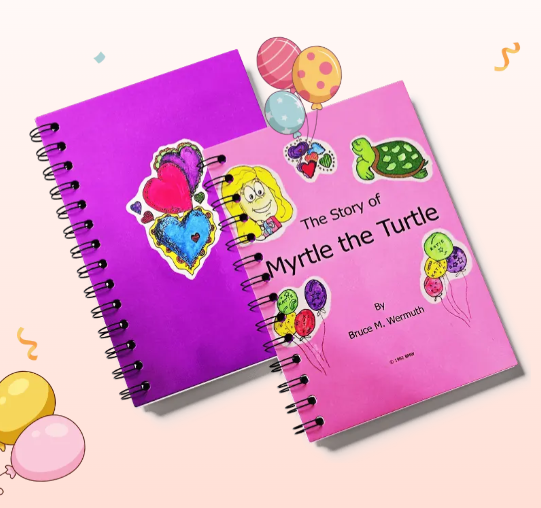
Reading is an important part of a child’s early education. First grade is an exciting time when children begin to recognize more words, understand simple sentences, and explore stories with greater confidence. Choosing the right children’s books 1st grade students can enjoy helps build strong reading habits and makes learning more fun. Whether a child loves animals, adventures, funny characters, or magical worlds, the right book can turn reading into a favorite daily activity.
A good children’s book does more than teach children how to read. It introduces new ideas, encourages imagination, develops language skills, and helps young readers understand the world around them. Parents and teachers can support children’s learning by providing interesting, age-appropriate books that match their reading abilities and personal interests.
Why Reading Is Important in First Grade
First grade is a key stage in a child’s reading development. Children begin moving from recognizing individual letters and sounds to reading complete words, sentences, and short stories. Regular reading practice helps them become more comfortable with written language.
Reading also supports vocabulary development. When children encounter new words in a story, they learn how those words are used in different situations. Colorful illustrations and familiar experiences can help them understand the meaning of unfamiliar language.
Another benefit is improved comprehension. After reading a story, children can talk about the characters, describe what happened, and explain how the story ended. These simple activities help them develop the ability to understand and remember information.
Reading can also build confidence. When children finish a book independently or understand a story they once found difficult, they feel proud of their progress. This positive experience encourages them to keep learning and exploring new books.
Choosing the Right Children’s Books for 1st Grade
Not every book is suitable for every first-grade reader. Some children may already read short stories independently, while others may still need help with basic words and sentences. Selecting books that match a child’s current reading level can make the experience enjoyable instead of frustrating.
Here are some useful features to consider when choosing books for first graders.
Simple and clear language: Books with short sentences, familiar words, and repeated phrases can help children practice reading without feeling overwhelmed.
Colorful illustrations: Pictures provide helpful clues about characters, settings, and events. They also make stories more attractive to young readers.
Interesting characters: Children often connect with characters who experience familiar feelings, solve problems, or discover something new.
Age-appropriate themes: Stories about friendship, family, kindness, animals, school, and everyday adventures can help children relate what they read to their own lives.
Manageable length: Short books are often ideal for children who are developing reading stamina. Finishing a complete story gives them a sense of achievement.
Parents can also look for books with rhyming words, predictable patterns, and repeated sentences. These features help children recognize language patterns and improve their reading fluency.
Different Types of Children’s Books for Young Readers
Children have different interests, and offering a variety of books helps them discover what they enjoy most. Exploring different genres can also introduce them to new subjects and storytelling styles.
Picture Books
Picture books combine illustrations with written storytelling. They are excellent choices for first graders because images help children follow the plot and understand unfamiliar words.
Parents can read picture books aloud or encourage children to read simple sentences themselves. Asking questions about the illustrations can also improve observation and comprehension skills.
Animal Stories
Animals are popular characters in children’s literature. Stories about turtles, rabbits, bears, birds, and other creatures can capture children’s attention while introducing lessons about friendship, patience, kindness, and caring for nature.
Animal stories can also encourage curiosity about wildlife and the environment. After reading, children might enjoy drawing their favorite animal or sharing something interesting they learned about it.
Adventure Stories
Adventure books take young readers on exciting journeys. Characters might explore a forest, visit a new place, discover a hidden treasure, or help a friend overcome a challenge.
These stories encourage imagination and teach children that problems can often be solved through patience, teamwork, and creative thinking.
Funny Stories
Humor makes reading enjoyable. Funny characters, surprising events, silly situations, and playful language can encourage reluctant readers to pick up a book.
When children associate reading with laughter and entertainment, they may become more interested in choosing books independently.
Educational Stories
Some children’s books introduce basic science, nature, numbers, emotions, and everyday life through storytelling. These books allow children to learn new concepts while following an engaging narrative.
Educational stories are especially useful when they explain ideas in simple language and include illustrations that support understanding.
How Children’s Books Support Learning and Development
Reading contributes to several areas of a child’s development. Along with supporting literacy, stories provide opportunities to practice thinking, communication, and emotional understanding.
One important benefit is vocabulary growth. Books expose children to words they might not hear during ordinary conversations. Repeated exposure helps them understand new expressions and use language more confidently.
Reading also develops listening skills. When an adult reads aloud, children learn to pay attention, follow a sequence of events, and understand how different parts of a story connect.
Stories can also help children recognize emotions. A character might feel nervous on the first day of school, sad after losing a toy, or happy after helping a friend. Discussing these experiences gives children opportunities to talk about their own feelings.
Furthermore, books encourage independent thinking. Children can predict what might happen next, explain why a character made a decision, and imagine alternative endings. These simple questions build early reasoning skills.
Making Reading a Daily Habit
Children do not need to spend hours reading every day to develop good habits. A short, consistent reading routine can make a meaningful difference.
Parents can begin by setting aside 10 to 15 minutes each day for reading. Bedtime, after-school relaxation, or a quiet moment after dinner can be suitable times. The most important thing is to create a comfortable routine that works for the family.
Allowing children to choose their own books can also increase their interest. A child who enjoys turtles may prefer animal stories, while another child may love fairy tales, funny adventures, or books about friendship.
Reading together is another effective approach. Adults can take turns reading sentences with children, help them sound out unfamiliar words, and celebrate their progress. If a child makes a mistake, offer gentle guidance rather than rushing to correct every word.
It is also helpful to talk about the story afterward. Ask questions such as, “Who was your favorite character?” or “What would you do if you were in the same situation?” These conversations make reading more interactive and meaningful.
What Makes a Good Children’s Book?
A good children’s book captures a child’s attention while offering an enjoyable and appropriate reading experience. It does not have to contain complicated language or a long plot. Often, a simple story with memorable characters and a meaningful message is enough to make a lasting impression.
Strong children’s books balance entertainment with opportunities for learning. They encourage curiosity, present relatable situations, and leave room for children to imagine their own ideas.
Illustrations, story structure, word choice, and subject matter all contribute to a book’s appeal. However, the best choice ultimately depends on the individual child. A book that inspires one child to read more may not interest another, and that is perfectly normal.
Parents and teachers can build a small collection of different books and observe which ones children return to most often. Their favorite stories can provide useful clues about the subjects and styles that motivate them.
Finding the Right Children’s Book for Every Young Reader
Choosing a children’s book should be about more than selecting something suitable for a particular age. It should also involve understanding a child’s interests, reading ability, and curiosity.
For first graders, a mixture of simple picture books, animal adventures, funny stories, and educational titles can create a balanced reading experience. As children grow more confident, they can gradually explore longer stories and more challenging vocabulary.
Families looking for children’s books 1st grade readers can enjoy should focus on books that make reading accessible, engaging, and rewarding. Reading together, offering children choices, and celebrating small achievements can help establish a lifelong appreciation for books.
Conclusion
Children’s books play an important role in helping young readers develop literacy skills, imagination, confidence, and a love of learning. First grade is an excellent time to introduce stories that combine simple language, colorful illustrations, interesting characters, and meaningful themes.
Whether children enjoy animal stories, picture books, funny adventures, or educational tales, the right children’s book can make each reading session a new opportunity to discover something wonderful. By making books a regular part of everyday life, parents and teachers can help children develop skills that support them throughout their education and beyond.
The goal is not simply to help children finish more books. It is to help them discover that reading can be enjoyable, inspiring, and full of possibilities.