Modern life can feel busy and demanding, leaving many people searching for simple ways to relax, manage everyday stress, and improve their sleep routines. Breathing exercises offer a convenient way to pause, slow down, and pay attention to the present moment. With the help of a 4-7-8 breathing timer or a coherent breathing app, people can follow guided breathing patterns without constantly checking the clock or counting every breath themselves.
Although these two breathing techniques share the goal of encouraging calm and relaxation, they use different rhythms. Understanding how each method works can help you choose a breathing practice that fits your daily routine and personal preferences.
What Is a 4-7-8 Breathing Timer?
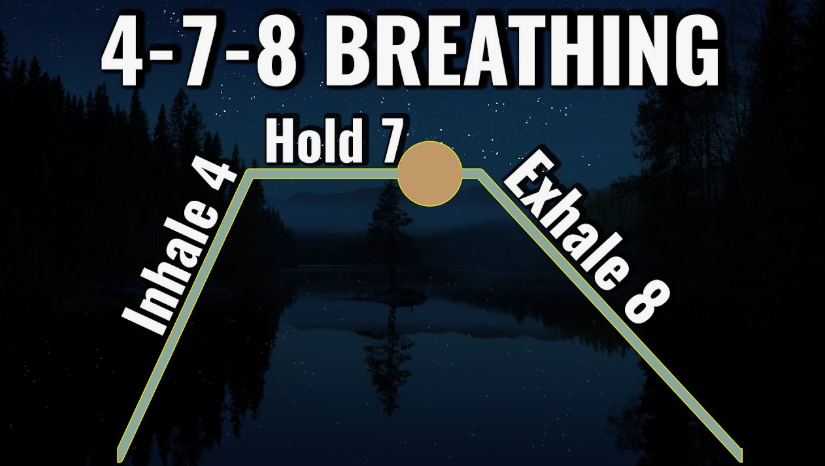
A 4-7-8 breathing timer is a tool that helps you follow the 4-7-8 breathing technique. This method involves inhaling for four counts, holding the breath for seven counts, and exhaling slowly for eight counts.
The technique is often associated with relaxation and bedtime routines. Its structured rhythm encourages you to focus on your breathing instead of distractions, racing thoughts, or the activities of the day.
A timer makes the process easier by guiding each stage of the exercise. Depending on the tool, you may see visual countdowns, hear gentle sounds, or follow animations that indicate when to inhale, hold, and exhale.
How to Use a 4-7-8 Breathing Timer
Getting started does not require special equipment. You can practice while sitting comfortably or lying down before bed.
Follow these basic steps:
- Find a quiet and comfortable place where you can focus.
- Relax your shoulders and keep your body in a comfortable position.
- Inhale gently through your nose for four counts.
- Hold your breath for seven counts, if comfortable.
- Exhale slowly for eight counts.
- Repeat the cycle for a few rounds, stopping if you feel uncomfortable.
Beginners should avoid forcing their breathing or holding their breath longer than feels manageable. If the full pattern feels difficult, start with shorter, comfortable counts and gradually adjust as you become familiar with the technique.
A 4-7-8 breathing timer can be especially useful when you want a guided exercise without needing to remember the counting pattern.
Benefits of Using a 4-7-8 Breathing Timer
1. Supports a Relaxing Bedtime Routine
Many people use breathing exercises as part of their evening routine. A 4-7-8 breathing timer provides a structured activity that can help create a quiet transition between daily responsibilities and bedtime.
Rather than scrolling through a phone or thinking about tomorrow’s tasks, you can focus on the rhythm of each breath. This may help you feel more settled before sleep, although breathing exercises do not guarantee that you will fall asleep quickly.
2. Encourages Mindful Attention
Mindfulness involves paying attention to the present moment without constantly reacting to every thought. Counting each breath provides a simple point of focus.
When your attention moves toward unfinished work, worries, or distractions, you can gently bring it back to the breathing pattern. Over time, this practice may help you become more aware of your breathing habits and physical tension.
3. Makes Guided Practice Convenient
Remembering different breathing stages can be challenging when you are new to a technique. A timer reduces the need to count mentally and helps you maintain a consistent pattern.
You can use a guided timer during a quiet break, before bed, or whenever you want to spend a few minutes practicing controlled breathing.
What Is a Coherent Breathing App?
A coherent breathing app is a digital tool designed to guide users through slow, steady breathing. Unlike the 4-7-8 technique, coherent breathing generally uses a more even rhythm without a prolonged breath hold.
A common starting point is approximately five to six breaths per minute. For example, you might inhale gently for five seconds and exhale for five seconds, completing one breathing cycle in ten seconds.
The exact pace can vary depending on the person and the app. The goal is to establish a comfortable, regular breathing rhythm rather than to take the deepest possible breaths.
A coherent breathing app may include visual breathing guides, adjustable timers, sound cues, session tracking, and reminders. These features can make it easier to practice consistently without turning the exercise into a complicated task.
How to Use a Coherent Breathing App
Using a coherent breathing app is usually straightforward.
First, select a comfortable breathing pace. Beginners may prefer a gentle rhythm that does not make them feel short of breath or as though they must work hard to complete each cycle.
Next, follow the visual or audio guide. Inhale smoothly as the guide indicates, then exhale at the suggested time. Keep your breathing natural and relaxed.
Start with a short session of two to five minutes. If you feel comfortable, you can gradually increase the duration according to your needs.
You do not need to breathe forcefully or fill your lungs completely. Gentle breathing is generally more comfortable than taking repeated oversized breaths.
Benefits of a Coherent Breathing App
1. Helps Build a Consistent Habit
Consistency is often more useful than trying to complete a long breathing session once in a while. A coherent breathing app can make daily practice easier by providing reminders, simple instructions, and convenient session lengths.
You might practice for a few minutes after waking up, during a work break, or before starting an evening routine. Choosing a regular time can help make breathing exercises part of your everyday schedule.
2. Encourages Slow, Steady Breathing
Many people breathe quickly when they feel rushed or distracted. A visual guide can help them notice their breathing speed and practice a slower, more controlled rhythm.
Slow breathing may support relaxation and influence the body’s autonomic nervous system, which helps regulate functions such as heart rate and breathing. Research suggests that paced breathing can benefit some aspects of stress management, although individual experiences and results vary.
3. Offers Flexible Practice Options
A useful coherent breathing app should make it easy to adjust the pace, session duration, and guidance style.
Some people prefer a moving circle that expands and contracts. Others find gentle sounds or simple countdowns easier to follow. Having different options allows users to choose a format that feels natural and comfortable.
A simple app may be all you need. Extra features are helpful only when they make your breathing practice easier to maintain.
4-7-8 Breathing Timer vs. Coherent Breathing App
Although both tools guide breathing, they serve slightly different preferences.
A 4-7-8 breathing timer is suitable for people who enjoy a specific breathing sequence with a longer exhalation and a breath-holding stage. It is often used during quiet evening routines.
A coherent breathing app is better suited to people who prefer a steady, continuous rhythm without a long breath hold. Its even pacing can make it convenient for regular daytime practice.
Neither technique is automatically better for everyone. Your comfort, experience, and goals should guide your choice.
If breath holding makes you uncomfortable, coherent breathing may be a more suitable starting point. If you enjoy following a structured sequence and can comfortably hold your breath, you may prefer experimenting with the 4-7-8 method.
How to Choose the Right Breathing Tool
Before choosing a 4-7-8 breathing timer or coherent breathing app, consider what you want from the experience.
Look for simple instructions. Clear visual or audio cues make it easier to follow the breathing pattern without unnecessary effort.
Choose adjustable settings. The ability to change the pace and duration can help you find a comfortable rhythm.
Consider your daily routine. A short timer may be ideal for bedtime, while an app with flexible sessions may work better for daytime breaks.
Avoid unnecessary complexity. You do not need dozens of features to practice breathing. A clean interface and reliable guidance may be enough.
Pay attention to comfort. A good breathing tool should encourage gentle, natural breathing rather than pressure to achieve a particular result.
You should also consider privacy if the app collects information about your usage or wellbeing.
Tips for Making Breathing Exercises Part of Daily Life
Start small and give yourself time to become familiar with the technique. A few comfortable minutes can be a reasonable beginning.
Practice in a quiet environment when possible, but remember that breathing exercises do not need perfect conditions. A short session during a break can still provide an opportunity to pause and refocus.
Avoid treating breathing as a performance. If you lose count, simply return to the next comfortable breath. If you feel dizzy, lightheaded, unusually breathless, or anxious, stop the exercise and return to normal breathing.
People with respiratory conditions or other health concerns may wish to ask a healthcare professional which breathing techniques are appropriate for them.
Final Thoughts
A 4-7-8 breathing timer and a coherent breathing app offer two convenient ways to explore guided breathing. The first follows a specific pattern of inhaling, holding, and exhaling, while the second encourages a slow and steady rhythm.
Both approaches can provide structure for mindful pauses, relaxing bedtime routines, and consistent self-care habits. The best option is the one that feels comfortable and fits naturally into your day.
Start with a short session, follow a gentle rhythm, and focus on comfort rather than perfection. With regular practice, guided breathing can become a simple part of your routine for creating moments of calm and paying closer attention to the present.