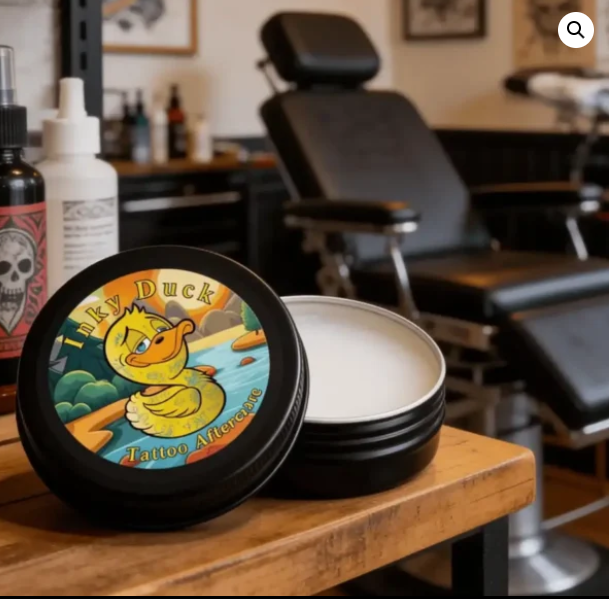
Tattoos are a popular way to express personality, celebrate meaningful moments, and showcase unique artwork. Whether someone chooses a small symbol or a large, colorful design, proper tattoo care is essential for keeping the skin healthy and helping the tattoo look its best. Using suitable tattoo care supplies and understanding the role of tattoo brightening cream can help people maintain their body art while supporting healthy skin.
A good tattoo care routine begins with gentle cleansing, proper hydration, and protection from environmental damage. With the right products and consistent habits, tattoo owners can care for both new tattoos and older designs.
Why Tattoo Care Supplies Are Important
After getting a tattoo, the skin needs time to recover from the tattooing process. During this period, the area may feel tender, appear slightly red, or develop some peeling as part of normal healing. Using appropriate tattoo care supplies can help keep the area clean and comfortable while supporting the skin’s natural recovery process.
Tattoo care supplies include products such as gentle cleansers, fragrance-free moisturizers, tattoo aftercare balms, and sunscreen. Each product serves a different purpose, so choosing the right combination is important.
A gentle cleanser helps remove dirt, sweat, and excess residue without unnecessarily irritating the skin. A suitable moisturizer helps prevent excessive dryness, while a tattoo aftercare balm may provide an additional layer of moisture when appropriate for the product and stage of healing.
It is also important to follow the aftercare instructions provided by the tattoo artist. Different tattoo placements, skin types, and healing methods may require slightly different routines.
Essential Tattoo Care Supplies for Everyday Use
Building a simple collection of reliable tattoo care supplies makes maintaining tattoos easier. Instead of purchasing every product available, focus on items that meet your skin’s needs.
1. Gentle Tattoo Cleanser
Keeping a new tattoo clean is an important part of aftercare. Choose a mild, fragrance-free cleanser that does not contain harsh exfoliating ingredients. Wash your hands before touching the tattoo, and clean the area gently according to your artist’s instructions.
Avoid scrubbing the tattoo with rough towels, brushes, or exfoliating tools. Pat the skin dry with a clean, soft towel rather than rubbing it.
2. Tattoo Aftercare Moisturizer
Moisturizing can help reduce dryness and discomfort as the skin heals. A lightweight, fragrance-free moisturizer is often suitable once the tattoo is ready for moisturizing.
Apply a thin layer rather than covering the tattoo with a heavy coating. Excessive moisture and thick product buildup can irritate the skin or interfere with appropriate aftercare.
3. Tattoo Aftercare Balm
Tattoo balms are designed to help condition the skin and maintain moisture. Depending on their ingredients, they may contain emollients, plant-derived oils, or other moisturizing components.
When selecting a balm, check the ingredient list and choose a product suitable for your skin. Avoid applying products that cause burning, itching, or increased redness. Follow your tattoo artist’s advice about when to begin using a balm, especially if the tattoo is still healing.
4. Sunscreen for Tattoo Protection
Sun exposure can contribute to the fading of tattoo pigments over time. Once a tattoo has completely healed, broad-spectrum sunscreen with SPF 30 or higher can help protect the skin from ultraviolet radiation.
Apply sunscreen to exposed tattoos and reapply according to the product instructions, particularly after swimming or sweating. For a fresh tattoo, avoid applying sunscreen directly to the healing area until the skin has healed sufficiently.
5. Clean Clothing and Basic Hygiene Supplies
Clean clothing, fresh towels, and careful handwashing are simple but valuable parts of tattoo aftercare. Avoid unnecessary friction from tight clothing, and follow instructions regarding swimming, soaking, and strenuous activities while the tattoo heals.
What Is Tattoo Brightening Cream?
A tattoo brightening cream is generally marketed as a skincare product intended to improve the appearance of tattooed skin. Depending on its formulation, it may focus on hydration, smoother-looking skin, or improving the appearance of uneven skin tone.
However, the term can be confusing because it does not describe one standardized type of product. Some creams marketed for tattoo brightness are moisturizers, while others contain ingredients intended to address discoloration or uneven pigmentation.
It is important to understand the difference between improving the appearance of the surrounding skin and changing the tattoo pigment itself. A topical cream cannot reliably restore faded tattoo ink or make old pigment look newly applied. Hydrated skin may make a tattoo appear more vibrant, but the ink remains beneath the skin’s surface.
Before buying a brightening product, read the label carefully and check whether it is intended for tattooed skin. Avoid products that promise dramatic color restoration or permanent changes to tattoo pigments.
How Tattoo Brightening Cream May Help Tattooed Skin
When used appropriately on fully healed skin, a moisturizing cream may improve the overall appearance of a tattoo by addressing dryness and rough texture.
Improving skin hydration: Dry skin can look dull or flaky. A suitable moisturizer helps maintain the skin barrier and may make the tattooed area appear smoother.
Supporting an even-looking complexion: Some skincare ingredients are formulated to improve the appearance of uneven skin tone. Their usefulness depends on the cause of the discoloration, the ingredient concentration, and the individual’s skin.
Enhancing the appearance of tattoo details: Well-hydrated skin may allow existing tattoo colors and lines to look clearer. However, this is an improvement in surface appearance rather than a direct change to the tattoo ink.
Maintaining a consistent skincare routine: Regular cleansing, moisturizing, and sun protection can help preserve the overall appearance of tattooed skin over time.
Remember that no brightening cream can guarantee a particular result. If a tattoo has genuinely faded, a professional tattoo artist may recommend a touch-up instead of additional skincare products.
Choosing the Right Tattoo Brightening Cream
Choosing a suitable product requires more than looking at marketing claims. Consider your skin type, the ingredients, and whether the cream is intended for use on tattooed skin.
Look for moisturizing ingredients such as glycerin, ceramides, or hyaluronic acid if hydration is your main goal. These ingredients can support skin moisture without being marketed as tattoo color restorers.
If a cream contains exfoliating acids, retinoids, or strong pigment-correcting ingredients, consider whether they are appropriate for your skin and follow professional skincare advice. Such ingredients may cause irritation and should never be applied to an actively healing tattoo without appropriate medical guidance.
Avoid products with unclear ingredient lists or unsupported promises. If you have sensitive skin, test a small amount on a separate area of fully healed skin before regular use. Stop using the product if irritation develops.
Most importantly, never use a brightening cream on an open, peeling, or incompletely healed tattoo unless a qualified healthcare professional specifically advises otherwise.
Tattoo Care Mistakes to Avoid
Even high-quality tattoo care supplies cannot compensate for an unsuitable routine. A few common mistakes can interfere with healing or affect the tattoo’s long-term appearance.
First, avoid excessive washing and scrubbing. Gentle cleaning is generally preferable to repeatedly removing the skin’s natural oils.
Second, do not pick scabs or peel flaking skin. Allow the healing process to progress naturally and follow your tattoo artist’s guidance.
Third, avoid applying too many products at once. Combining several balms, creams, and active skincare ingredients can increase the risk of irritation.
Fourth, do not neglect sun protection after healing. Consistent protection from ultraviolet radiation is one of the most useful steps for maintaining tattoo appearance.
Finally, do not confuse skin brightening with tattoo removal or pigment correction. If you notice persistent discoloration, unusual swelling, increasing pain, pus, or spreading redness, seek medical advice. Severe or worsening symptoms should not be treated simply by switching creams.
Creating a Simple Tattoo Care Routine
A practical routine does not need to be complicated. During the initial healing period, follow your tattoo artist’s instructions for gentle washing, appropriate moisturizing, and protecting the area from contamination.
Once the tattoo is fully healed, continue using a gentle cleanser and moisturizer suited to your skin. Apply broad-spectrum sunscreen to exposed tattooed areas, and consider a tattoo brightening cream only if its ingredients and intended use match your skincare goals.
Keep an eye on how your skin responds. A product that works well for one person may not suit another, especially when skin sensitivity or allergies are involved.
If your goal is to restore faded lines or colors, speak with an experienced tattoo artist about touch-ups. If your concern is uneven skin tone, consult a dermatologist to identify the cause before using targeted brightening products.
Conclusion
Choosing suitable tattoo care supplies and maintaining a consistent skincare routine can help keep tattooed skin comfortable, hydrated, and healthy. Gentle cleansers, appropriate moisturizers, aftercare balms, and sunscreen all have useful roles when selected and applied correctly.
A tattoo brightening cream may help improve hydration and the appearance of the surrounding skin, but it should not be expected to restore faded tattoo ink or replace professional tattoo maintenance. By understanding what each product can realistically do, reading ingredient labels, and following safe aftercare practices, tattoo owners can make better decisions for their skin and enjoy their body art for years to come.