

Introduction
A vehicle is a valuable investment that deserves proper protection. Whether you park your car in a driveway, garage, residential parking area or outdoors, it is regularly exposed to environmental conditions that can affect its appearance and condition. Sunlight, rain, dust, bird droppings, tree sap and airborne pollutants can gradually damage exterior surfaces and reduce your vehicle’s visual appeal. A high-quality car cover offers a practical solution by creating a protective barrier against many everyday hazards.
Car covers are available in different materials, sizes and designs to suit various vehicles and parking conditions. From lightweight indoor covers to heavy-duty outdoor options, choosing the right product can help maintain your vehicle’s finish while reducing cleaning and maintenance requirements.
What Are Car Covers?
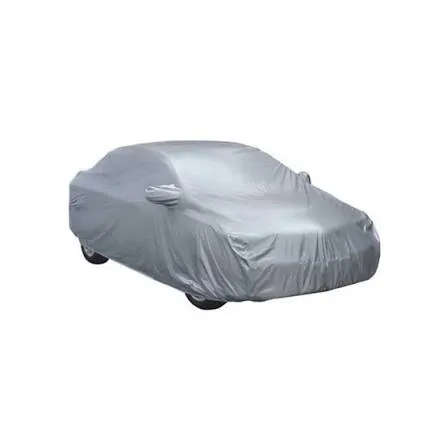
Car covers are protective fabric coverings designed to fit over vehicles when they are parked. They help shield exterior surfaces from environmental contaminants, weather exposure and minor everyday hazards.
Most covers are manufactured using materials such as polyester, polypropylene, cotton blends and multi-layer synthetic fabrics. Some feature water-resistant coatings, UV protection, elastic hems and adjustable straps to provide a secure fit.
Depending on their construction, car covers can be used indoors, outdoors or in different weather conditions. They are particularly useful for vehicle owners who do not have access to covered parking.
Why Are Car Covers Important?
Leaving a vehicle exposed for extended periods can lead to several maintenance problems. A suitable car cover provides an additional layer of protection and helps preserve the vehicle’s exterior.
1. Protection Against Sunlight and UV Rays
Direct sunlight can gradually fade automotive paint, damage exterior plastics and deteriorate rubber components. UV-resistant car covers help reduce exposure to harmful ultraviolet radiation.
This protection is especially useful in regions experiencing intense summer temperatures and prolonged sunshine.
2. Protection from Dust and Dirt
Dust accumulation is a common problem for vehicles parked outdoors or in open garages. Fine particles can settle on paintwork, windows and other exterior surfaces.
A properly fitted cover helps prevent dust from collecting directly on the vehicle, reducing the frequency of washing.
3. Rain and Moisture Protection
Water-resistant car covers help protect vehicles from rain and splashes. They can also reduce exposure to moisture-related contaminants.
However, water-resistant and waterproof are not identical. Breathable materials are important because trapped moisture underneath a cover may contribute to condensation and paint problems.
4. Protection from Bird Droppings and Tree Sap
Bird droppings and tree sap can leave stubborn marks and potentially damage automotive clear coats if not removed promptly.
A protective cover creates a barrier between these contaminants and your vehicle’s paintwork.
5. Reduced Risk of Minor Scratches
A soft, non-abrasive inner lining can help minimise minor surface contact while the vehicle is covered.
For best results, always clean the vehicle before putting on the cover. Dust and grit trapped underneath can cause scratches when the fabric moves.
Different Types of Car Covers
Understanding the available options makes it easier to select a cover that matches your parking environment.
Indoor Car Covers
Indoor covers are designed for vehicles stored in garages, workshops and enclosed parking spaces. They typically use lightweight, breathable materials that protect against dust and accidental surface contact.
They are ideal for classic cars, luxury vehicles and seasonal vehicles that remain parked for extended periods.
Outdoor Car Covers
Outdoor car covers are designed to withstand exposure to sunlight, rain, dust and changing weather conditions. Many feature multiple fabric layers, reinforced seams and UV-resistant coatings.
These covers are suitable for vehicles regularly parked in driveways, open parking areas and residential spaces.
Waterproof Car Covers
Waterproof or highly water-resistant covers provide additional protection against rainfall. They are useful in areas experiencing frequent wet weather.
Look for products that balance water protection with breathability to minimise condensation underneath.
Universal Car Covers
Universal covers are manufactured to accommodate different vehicle shapes and sizes. They are generally more affordable and convenient for everyday use.
However, they may not provide the precise fit available with vehicle-specific designs.
Custom-Fit Car Covers
Custom-fit covers are designed around a particular vehicle model. They generally provide better coverage around mirrors, bumpers and other exterior features.
They are worth considering for expensive vehicles or owners who want a close-fitting protective solution.
How to Choose the Best Car Cover
Selecting the right cover involves considering several important factors.
Material Quality: Choose durable fabrics that suit your parking environment. Multi-layer materials can provide a combination of weather resistance, strength and breathability.
Vehicle Size: Check the length, width and height of your vehicle before purchasing. A correctly sized cover provides better coverage and reduces unnecessary movement.
Weather Resistance: Consider your local climate. UV-resistant materials are important in sunny environments, while water-resistant construction is useful in rainy conditions.
Breathability: Look for materials that allow moisture vapour to escape. This helps reduce condensation underneath the cover.
Soft Inner Lining: A smooth interior layer helps minimise friction against automotive paint.
Secure Fastening: Elastic hems, adjustable straps and buckle systems help keep the cover in place during windy conditions.
Ease of Storage: Lightweight, foldable covers with storage bags are convenient for everyday use.
How to Use and Maintain Car Covers
Proper installation and maintenance help extend the useful life of a car cover.
- Wash or wipe down your vehicle before covering it.
- Make sure the exterior is dry before installing the cover.
- Position the cover carefully, starting from the roof and working towards the front and rear.
- Adjust the fabric around mirrors and bumpers.
- Secure all straps and elastic edges.
- Remove the cover periodically to check for moisture and trapped dirt.
- Clean the cover according to the manufacturer’s washing instructions.
- Allow it to dry completely before storing it.
Avoid installing a cover over a hot vehicle immediately after driving. Allow the exterior to cool first.
Common Mistakes to Avoid When Buying Car Covers
One common mistake is choosing a cover based only on price. Low-quality materials may wear out quickly or provide inadequate protection.
Another mistake is purchasing the wrong size. Oversized covers can flap in the wind, while undersized products may leave important areas exposed.
Vehicle owners should also avoid assuming that every waterproof cover is suitable for every climate. Breathability, fabric construction and correct installation are equally important.
Finally, never drag a dirty cover across the vehicle’s paintwork, as trapped debris can cause scratches.
Frequently Asked Questions
Are car covers worth buying?
Yes. Car covers provide an additional layer of protection against dust, sunlight, rain, bird droppings and other environmental contaminants. They are particularly useful for vehicles parked outdoors.
Can car covers damage car paint?
A properly fitted cover made from suitable materials should not damage paint. However, dirt trapped between the cover and vehicle can cause scratches. Always clean the vehicle before covering it.
Should I use a car cover every day?
You can use a car cover daily if it is suitable for your parking conditions. Make sure the vehicle and cover are clean and dry before installation.
What is the best material for outdoor car covers?
Multi-layer polyester and other weather-resistant synthetic fabrics are popular options. Look for UV resistance, breathability, durable stitching and a soft inner lining.
Are waterproof car covers better than breathable covers?
Not necessarily. Waterproof covers provide stronger rain protection, but breathable construction helps reduce moisture accumulation. The best option depends on your climate and parking environment.
Conclusion
Car covers are a practical investment for vehicle owners who want to protect their cars from everyday environmental exposure. Whether you need protection against harsh sunlight, dust, rain, bird droppings or minor surface contact, the right cover can help maintain your vehicle’s appearance and reduce routine cleaning.
Before purchasing, consider your vehicle’s dimensions, parking location, local weather and preferred material. Prioritising a secure fit, breathable construction and durable fabric will help you choose a car cover that offers dependable protection over time.
Protect your vehicle with a quality car cover and make everyday vehicle care easier.



Join the conversation