

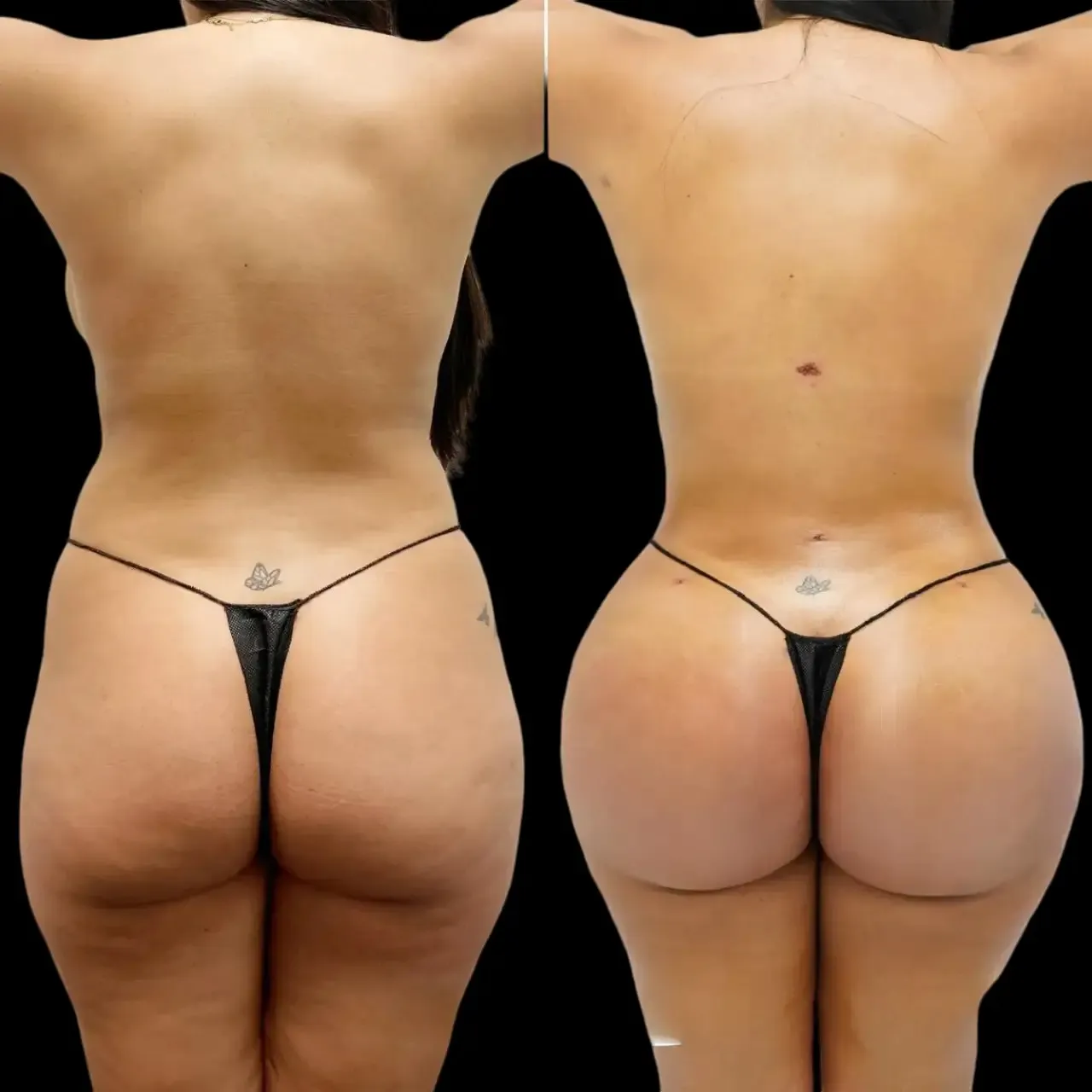

Best Plastic Surgeons in Dubai for Enhanced Body Curves and Fat Transfer
People searching for Best Plastic surgeons in dubai often explore different cosmetic treatments to improve their natural body proportions. Fat transfer is one option for individuals who want to enhance selected body areas using their own fat instead of artificial implants.
The procedure may be used to improve the appearance of the buttocks, hips, thighs, and other areas where additional volume is desired.
Body contouring with fat transfer generally focuses on creating balanced proportions. For example, some individuals want fuller hips, while others want improved buttock volume or smoother transitions between different body areas.
Before considering the procedure, it is important to evaluate body composition, available donor fat, skin quality, general health, and personal expectations.
The aim is to achieve a balanced appearance that complements the individual’s natural body shape.
Fat Transfer in Dubai for Fuller Body Curves and Natural Contouring
Fat transfer in dubai is a cosmetic procedure that involves moving fat from areas with excess deposits to areas that need additional volume.
Common donor areas include:
Abdomen.
Waist.
Thighs.
Flanks.
Lower back.
The collected fat is prepared before being transferred to the selected treatment area.
The procedure generally involves three stages:
Fat is removed from selected areas using liposuction. This step may also help improve the appearance of the donor area by reducing unwanted fat deposits.
The collected fat is processed to separate suitable fat cells from unwanted fluids and other materials. This helps prepare the fat for transfer.
The prepared fat is carefully injected into the targeted areas to improve volume and body contours.
The final outcome depends on the amount of fat available, the treatment area, the injection technique, and how much transferred fat survives after the procedure.
Best Fat Transfer Doctors in Dubai and Important Body Contouring Factors
People researching Best fat transfer Doctors in dubai often want to understand what makes fat transfer suitable for body enhancement.
Not everyone is an ideal candidate for this treatment. A proper medical assessment is important before undergoing any cosmetic procedure.
Several factors may influence suitability:
Sufficient fat available in donor areas.
Good general health.
Stable body weight.
Suitable skin elasticity.
Realistic expectations.
No medical conditions that significantly increase surgical risks.
The amount of fat available is particularly important. Individuals with very low body fat may not have enough material for the desired enhancement.
It is also important to understand that not all transferred fat survives permanently. Some fat is naturally absorbed by the body during healing.
Dr. Perfect Celebrity and Modern Body Enhancement Trends
The keyword Dr. perfect celebrity is often associated with celebrity-inspired beauty and body contouring trends. Many individuals look at celebrities and social media personalities for inspiration when considering cosmetic treatments.
However, every person’s body has different proportions, anatomy, and fat distribution. A body shape that looks suitable for one person may not be appropriate for another.
Fat transfer should focus on enhancing individual body proportions rather than copying someone else’s appearance.
Modern body contouring trends increasingly focus on natural-looking curves, balanced proportions, and improvements that complement the person’s existing shape.
Understanding personal goals and maintaining realistic expectations are important parts of the decision-making process.
Perfect Doctors Clinic and Understanding Body Contouring Treatment Options
Perfect Doctors Clinic is a keyword used in searches related to cosmetic treatment information. When researching body contouring, it is helpful to understand the available procedures and their limitations.
Fat transfer is one option for people who want to improve body volume while using their own fat. It combines fat removal from donor areas with volume enhancement in selected areas.
However, it is not suitable for every body shape or cosmetic concern. Some people may need a different approach depending on skin laxity, body composition, or the amount of enhancement desired.
Understanding the procedure, potential risks, and recovery requirements helps individuals make informed decisions.
Fat Grafting for Fuller Hips, Buttocks, and Improved Body Proportions
fat grafting is another name for fat transfer. It involves collecting fat from one body area and moving it to another area to improve volume and shape.
For body contouring, fat grafting may be used to improve:
Buttock fullness.
Hip volume.
Selected thigh contours.
Body shape and proportions.
Certain contour irregularities.
One advantage of fat grafting is that it uses the patient’s own tissue. It can also provide some contour improvement in the area where fat is collected.
However, the results depend on individual healing and fat survival. Some transferred fat may be absorbed, and the final volume may differ from the initial postoperative appearance.
A suitable treatment plan should consider both the donor and recipient areas to create balanced results.
Under Eye Fat Transfer and Its Difference from Body Fat Grafting
under eye fat transfer is another application of fat grafting, but it serves a different cosmetic purpose from body contouring.
Under-eye fat transfer is generally used to improve hollow areas beneath the eyes and restore facial volume. Body fat transfer, on the other hand, focuses on enhancing areas such as the hips and buttocks.
Both procedures use fat collected from the patient’s body, but the treatment areas, injection techniques, and required fat volumes are different.
The under-eye area is delicate and requires careful assessment because of its sensitive anatomy.
Understanding these differences helps people identify the procedure that best matches their cosmetic goals.
Fat Transfer Cost in Dubai for Body Contouring and Curve Enhancement
The Fat transfer cost in dubai can vary depending on the treatment areas, amount of fat required, and complexity of the procedure.
Body contouring procedures may involve more than one donor or treatment area. For example, someone interested in improving hip and buttock volume may need fat collection from the abdomen, waist, or thighs.
Several factors may influence the total cost:
Number of donor areas.
Amount of fat collected.
Amount of fat transferred.
Complexity of the treatment.
Anaesthesia requirements.
Medical facility charges.
Consultation and follow-up expenses.
Postoperative care.
The overall price may also vary depending on whether multiple body areas are treated during the same procedure.
A personalised assessment provides a clearer understanding of the expected expenses and treatment requirements.
Fat Transfer Cost and Financial Planning for Body Enhancement
The fat transfer cost is an important consideration when planning cosmetic body contouring.
The procedure involves fat removal, processing, and transfer, so the overall cost depends on the patient’s individual requirements.
For example, a person who wants a small improvement in hip volume may need a different treatment plan from someone who wants more extensive body contouring.
Patients should understand what is included in the quoted amount. Consultation charges, anaesthesia, facility expenses, medications, and follow-up appointments may affect the total budget.
It is also important to consider that some people may require additional treatment if they want further volume enhancement after the transferred fat settles.
Financial planning should always be combined with careful consideration of medical suitability and safety.
Best Fat Transfer Surgeon in Dubai for Natural Body Contours
The keyword Best fat transfer surgeon in Dubai is commonly used by people researching cosmetic body enhancement.
However, understanding the treatment process and its limitations is equally important.
Fat transfer requires careful collection, preparation, and placement of fat cells. The treatment plan should consider the patient’s natural proportions, available donor fat, skin quality, and desired body shape.
Patients should understand that the amount of fat transferred does not equal the amount of permanent volume gained. Some fat cells may not survive, and the final result can vary.
It is also important to discuss potential complications, including infection, bleeding, uneven contours, fat necrosis, and other procedure-related risks.
Best Fat Transfer Surgeons in Dubai and Factors for Balanced Body Curves
People searching for Best fat transfer surgeons in Dubai often want a body contouring treatment that creates natural-looking curves.
A balanced outcome depends on several factors, including:
Natural body proportions.
Fat availability.
Donor area selection.
Treatment area anatomy.
Skin elasticity.
Fat survival.
Individual healing response.
For example, improving hip volume may help create a smoother transition between the waist and thighs. Similarly, adding volume to selected areas may improve overall body proportions.
However, the procedure cannot guarantee a particular body shape. Results vary, and realistic expectations are essential.
For buttock fat transfer, special safety considerations are particularly important. The procedure should be performed using appropriate techniques, with fat placed only in safe tissue planes. Patients should ask about the surgical approach and measures used to reduce the risk of serious complications, including fat embolism.
Fat Transfer Prices and Factors That Affect the Total Treatment Expense
Understanding fat transfer prices can help individuals prepare financially for cosmetic treatment.
The total expense depends on the complexity of the procedure and the number of areas involved.
Some people may require fat collection from one donor area, while others may need multiple areas to obtain sufficient fat.
Other factors that can affect pricing include:
Operating time.
Anaesthesia.
Medical facility expenses.
Treatment complexity.
Postoperative care.
Follow-up appointments.
When comparing prices, it is important to understand exactly what is included in each estimate.
Choosing a procedure based only on the lowest price is not recommended. Safety standards, medical suitability, and realistic treatment goals should remain the main priorities.
Who Is an Ideal Candidate for Fat Transfer Body Contouring?
Fat transfer may be suitable for individuals who want to improve selected body contours using their own fat.
Potential candidates generally:
Have enough available donor fat.
Are in good overall health.
Maintain a relatively stable weight.
Want moderate volume enhancement.
Have realistic expectations.
Can follow postoperative instructions.
People with very low body fat may not have enough donor fat for their desired results. Individuals with certain medical conditions may also require additional evaluation before surgery.
A medical assessment is necessary to determine whether the procedure is appropriate.
Recovery After Fat Transfer for Enhanced Body Curves
Recovery after body fat transfer varies depending on the amount of fat collected and transferred.
Patients may experience swelling, bruising, tenderness, and temporary discomfort in both donor and treatment areas.
Following postoperative instructions is important for proper healing.
Some general recovery considerations include:
Avoid strenuous exercise until medically cleared.
Follow instructions about compression garments.
Avoid unnecessary pressure on treated areas.
Keep incision sites clean.
Take prescribed medications as directed.
Attend scheduled follow-up appointments.
Maintain a stable body weight.
The final body contours may take several months to become clear. Swelling gradually decreases, and some transferred fat is naturally absorbed.
Patients should contact their medical team if they experience severe pain, fever, increasing redness, breathing difficulties, or other unusual symptoms.
Safety Considerations Before Choosing Fat Transfer Surgery
Although fat transfer uses the patient’s own fat, it is still a surgical procedure and carries potential risks.
Possible complications include infection, bleeding, irregular contours, fat necrosis, fluid collection, and changes in sensation.
The risks can vary depending on the treatment area and surgical technique.
It is important to discuss medical history, medications, previous surgeries, and individual health conditions before undergoing treatment.
For procedures involving the buttocks, specific attention should be given to safe fat placement and prevention of fat embolism, which can be life-threatening.
Understanding the risks and following proper medical guidance are essential for a safer treatment experience.
Conclusion: Achieving Enhanced Body Curves with Natural Fat Transfer
Fat transfer can be an option for people who want to improve their natural body contours using their own fat. It may help enhance the appearance of the hips, buttocks, and selected body areas while also reducing unwanted fat deposits in donor regions.
The procedure offers an approach to body contouring without traditional implants, but the amount of enhancement is limited by available donor fat and the survival of transferred fat cells.
Understanding fat transfer in dubai, treatment suitability, recovery, possible complications, and fat transfer cost in dubai can help individuals make informed decisions.
The most important consideration is choosing a treatment plan that matches individual body proportions, health requirements, and realistic expectations. Natural-looking results and patient safety should always remain the priorities.


Join the conversation