

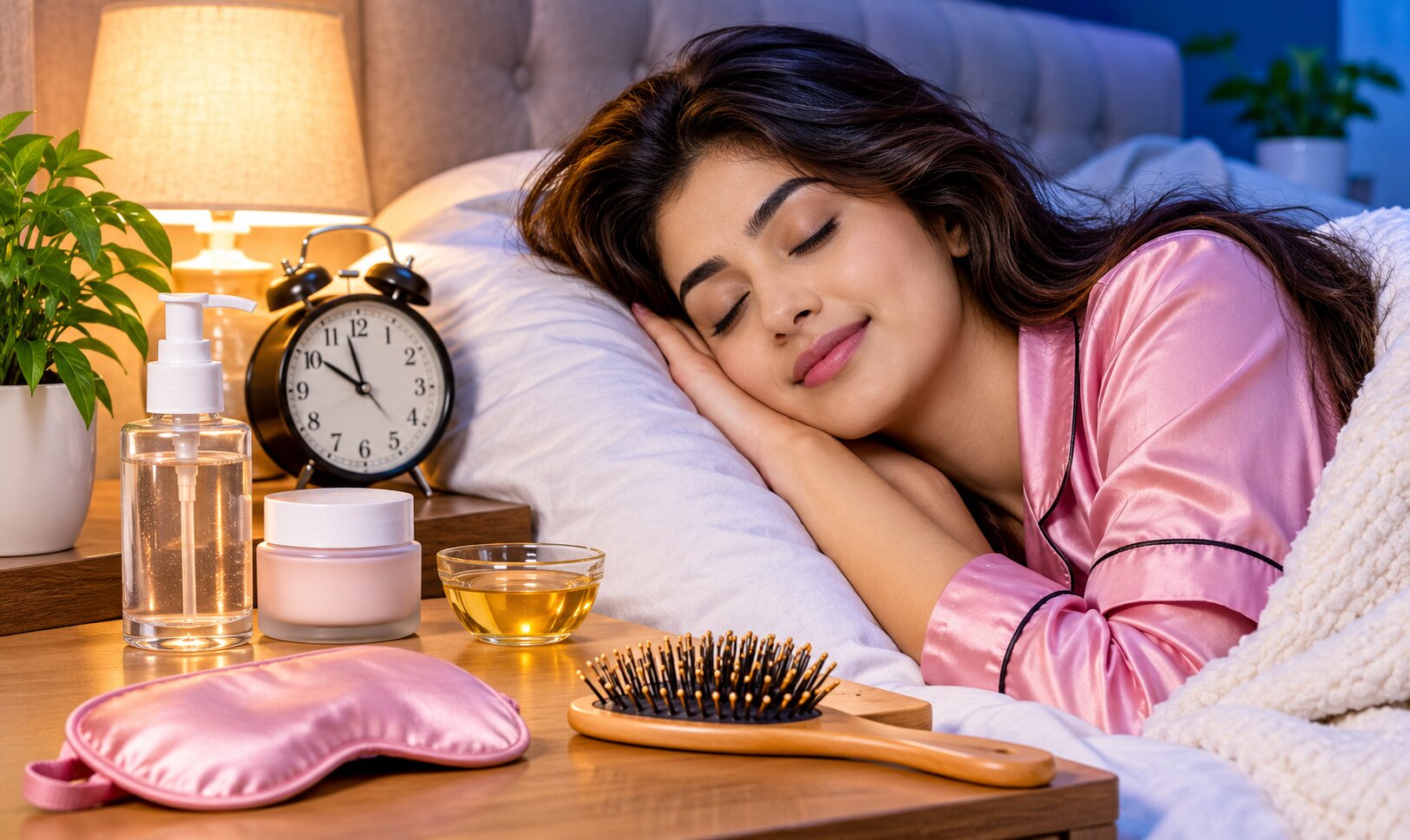

Have you ever wondered why your skin looks fresh and your hair feels better after a good night’s sleep? The secret is not always expensive skincare products, salon treatments, or complicated beauty routines. Sometimes, the simplest way to improve your appearance starts with getting enough quality sleep and following healthy nighttime habits.
Beauty sleep is more than just a popular expression. Your body uses nighttime rest to support normal repair, recovery, and maintenance processes. Your skin continues its natural renewal processes, while your body regulates hormones and supports tissue health. Poor sleep, on the other hand, may contribute to tired-looking eyes, dull skin, and increased stress.
The good news is that you do not need an expensive routine to take better care of yourself. A few consistent habits before bedtime can support healthier-looking skin and stronger hair over time.
Let’s explore practical beauty sleep habits that you can easily include in your daily routine.
1. Get Enough Quality Sleep Every Night
One of the most important beauty sleep habits is maintaining a consistent sleeping schedule. Adults generally need at least seven hours of sleep every night for good health. However, sleep quality matters just as much as the number of hours.
During sleep, your body supports important recovery processes, including tissue maintenance and hormonal regulation. Insufficient sleep may affect your skin’s appearance and make dark circles, puffiness, and tired-looking eyes more noticeable.
Try these simple habits:
- Aim for seven to nine hours of sleep.
- Go to bed and wake up at similar times daily.
- Avoid scrolling through your phone immediately before sleeping.
- Keep your bedroom quiet, comfortable, and dark.
- Avoid heavy meals close to bedtime.
A regular sleeping schedule helps establish a healthier daily rhythm and supports overall well-being.
2. Follow a Gentle Nighttime Skincare Routine
Your nighttime skincare routine should be simple, consistent, and suitable for your skin type. Throughout the day, your face collects sweat, excess oil, sunscreen, makeup, and environmental dirt. Removing these impurities before bedtime helps keep your skin clean.
Start by washing your face with a gentle cleanser. Avoid aggressive scrubbing because it can irritate your skin and damage its protective barrier.
After cleansing, apply a suitable moisturizer to help maintain hydration. If your skin needs additional care, consider products containing ingredients such as hyaluronic acid, niacinamide, or ceramides.
You can also explore our guide on festival glow and a three-day skin preparation routine for additional ideas about maintaining healthy-looking skin.
Remember, using more skincare products does not automatically produce better results. Choose products according to your skin’s needs and introduce active ingredients gradually.
3. Never Sleep Without Removing Makeup
Sleeping with makeup on is a habit worth avoiding. Makeup, sunscreen, sweat, and accumulated oil can remain on your skin throughout the night if you do not cleanse properly.
Although occasional mistakes are unlikely to ruin your skin, regularly sleeping with makeup may contribute to clogged pores, irritation, and breakouts.
Follow this simple cleansing process:
- Remove makeup using a suitable makeup remover or cleansing balm.
- Wash your face with a gentle cleanser.
- Pat your skin dry using a clean, soft towel.
- Apply moisturizer according to your skin type.
If you wear waterproof makeup, choose a remover designed for it rather than rubbing your skin repeatedly.
A clean face before bedtime creates a better foundation for your nighttime skincare routine.
4. Protect Your Hair Before Going to Bed
Your hair also deserves attention before bedtime. Friction between your hair and pillowcase, tight hairstyles, and sleeping with wet hair may contribute to tangling, breakage, or discomfort.
A few simple nighttime hair habits can help reduce unnecessary damage.
- Gently detangle your hair before sleeping.
- Avoid tight ponytails and hairstyles that pull on the roots.
- Use a loose braid if your hair becomes tangled easily.
- Consider a smooth satin or silk pillowcase to reduce friction.
- Avoid sleeping with soaking-wet hair.
If you wash your hair at night, allow it to dry sufficiently before going to bed. Damp hair can be more vulnerable to mechanical damage.
You should also avoid applying excessive oil or heavy hair products immediately before sleeping, particularly if they irritate your scalp.
Consistency and gentle handling are more useful than following every trending haircare technique.
5. Keep Your Pillowcase and Bedding Clean
Your pillowcase comes into contact with your face and hair for several hours every night. Over time, it can collect sweat, natural oils, dead skin cells, hair products, and dust.
Regularly changing your pillowcase is a simple hygiene habit that can support your skincare and haircare routine.
Consider these practices:
- Change pillowcases at least once or twice a week, more frequently if needed.
- Wash bedsheets regularly.
- Use a clean towel for your face.
- Avoid sharing personal towels and pillowcases.
- Choose comfortable, breathable bedding.
If you have sensitive or acne-prone skin, fragrance-free laundry products may help reduce potential irritation.
A clean sleeping environment is an easy step toward better nighttime self-care.
6. Stay Hydrated Throughout the Day
Hydration is essential for maintaining overall health and supporting normal skin function. When you do not drink enough fluids, you may experience dryness and other signs of dehydration.
However, drinking excessive amounts of water immediately before sleeping is not necessary. It may interrupt your rest by making you wake up frequently to use the bathroom.
Instead, distribute your water intake throughout the day.
Include water-rich foods such as:
- Cucumber
- Watermelon
- Oranges
- Strawberries
- Tomatoes
You can also include nutritious meals containing vegetables, fruits, and healthy fats.
For additional lip-care inspiration, explore our article on chapped lips, dark lips, and pigmentation. Remember that persistent lip dryness may also require attention to environmental conditions and suitable lip products.
7. Eat Nutrient-Rich Foods for Skin and Hair Health
Your nighttime beauty routine should not begin and end with skincare products. Nutrition also plays an important role in maintaining healthy skin and hair.
Your body needs sufficient protein, vitamins, minerals, and healthy fats to support normal tissue maintenance.
Include foods such as:
- Protein: Lentils, beans, chickpeas, milk, paneer, tofu, and soybeans.
- Vitamin C: Guava, oranges, amla, and bell peppers.
- Vitamin E: Almonds, sunflower seeds, and peanuts.
- Healthy fats: Walnuts, flaxseeds, and chia seeds.
- Iron and zinc: Legumes, seeds, nuts, and whole grains.
Avoid relying on individual foods or supplements as guaranteed solutions for hair growth or glowing skin. A balanced diet is more important than any single beauty food.
If you regularly experience excessive hair shedding, persistent skin problems, or unexplained changes in your appearance, consider consulting a qualified healthcare professional.
8. Reduce Screen Time Before Bedtime
Spending too much time on your phone or laptop at night can interfere with your ability to fall asleep, particularly when it delays your bedtime.
Late-night scrolling, watching videos, and responding to messages can keep your mind active when you should be relaxing.
Try creating a 30-minute wind-down routine before sleeping.
You can:
- Put your phone away.
- Reduce unnecessary screen exposure.
- Read a physical book.
- Listen to relaxing music.
- Practise gentle stretching.
- Prepare your clothes and schedule for the next day.
Reducing screen time also gives you an opportunity to relax your eyes. For more information, read our eye care routine for clear vision and healthy eyes.
9. Manage Stress for Better Sleep and Overall Beauty
Stress can affect sleep quality and overall well-being. When stress becomes a regular part of your life, it may also influence skin conditions and contribute to hair shedding in some individuals.
Building a peaceful nighttime routine can help you manage everyday stress.
Try simple activities such as meditation, deep breathing, journaling, or listening to calming music.
You do not need to spend an hour on relaxation. Even five to ten minutes of quiet time can help you transition from a busy day to bedtime.
Avoid carrying unnecessary work pressure into your sleeping hours. Establishing healthy boundaries between work and personal time can also improve your overall lifestyle.
10. Create a Simple Beauty Sleep Routine That You Can Follow
The best nighttime routine is one that fits comfortably into your lifestyle. You do not need ten different skincare products or expensive hair treatments to take care of yourself.
Here is a simple routine to get started.
30–60 minutes before bed:
- Finish heavy meals and limit caffeine late in the day.
- Reduce phone and laptop use.
- Prepare your bedroom for comfortable sleep.
15–20 minutes before bed:
- Remove makeup and cleanse your face.
- Apply moisturizer and lip balm.
- Gently detangle your hair.
- Change into comfortable sleepwear.
Just before sleeping:
- Keep your hair loosely tied if necessary.
- Make sure your pillowcase is clean.
- Practise a few minutes of deep breathing.
- Maintain a consistent bedtime.
Following these steps regularly can help you develop healthier habits without making your routine complicated.
Final Thoughts
Beauty sleep is not about waking up with perfect skin or magically transforming your hair overnight. It is about giving your body enough rest and maintaining simple habits that support your overall health.
From following a gentle nighttime skincare routine to protecting your hair, staying hydrated, eating nutritious foods, and managing stress, every small habit contributes to better self-care.
Remember that healthy-looking skin and hair require consistency, patience, and a balanced lifestyle. Start with a few manageable changes and gradually build a nighttime routine that works for you.
For more practical beauty, skincare, fitness, and wellness advice, explore Style Life Fame and make healthy living part of your everyday routine.



Join the conversation