Recognizing Different Types of Wall Damage
Drywall can develop problems for many reasons, from everyday impacts and nail holes to moisture exposure, settling, and deteriorating seams. Identifying the type and extent of damage is an important first step because different problems require different repair methods. A proper assessment helps determine whether a localized patch or more extensive restoration is appropriate.
Evaluate the Damage Before Starting
Homeowners seeking Drywall Repair Services in Lynchburg VA should first determine what caused the visible problem. Small holes and dents may require straightforward patching, while recurring cracks, stains, or soft areas could indicate an underlying issue. Local drywall professionals commonly handle holes, cracks, water damage, and other surface problems in residential and commercial properties.
Pay Attention to Moisture Problems
Water can significantly affect drywall and may cause staining, swelling, softness, or deterioration. Simply covering a damaged area without addressing the moisture source can allow the problem to return. Before repairing water-damaged material, the source of the moisture should be identified and corrected so the restored surface has a better chance of remaining stable.
Prepare the Surface Properly
Successful drywall repair depends heavily on preparation. Loose material should be removed, damaged edges cleaned up, and the surrounding surface prepared for the repair compound or replacement section. Proper preparation creates a more stable repair area and helps prevent visible transitions between the existing wall and the newly repaired portion.
Match the Existing Wall Texture
Texture can make a major difference in how noticeable a repair becomes. Walls may have smooth finishes, light textures, or more distinctive patterns that need to be blended into the surrounding surface. Matching the existing texture requires attention to application technique and consistency so the repaired area does not stand out once the project is finished.
Address Cracks and Seam Problems
Not every crack has the same cause. Some may result from normal movement, while others can develop around joints, corners, doors, or windows. Professional wall repair typically involves evaluating the affected area before applying compound, tape, or other materials. Addressing the underlying condition can be important when cracks repeatedly return.
Restore Walls and Surrounding Areas
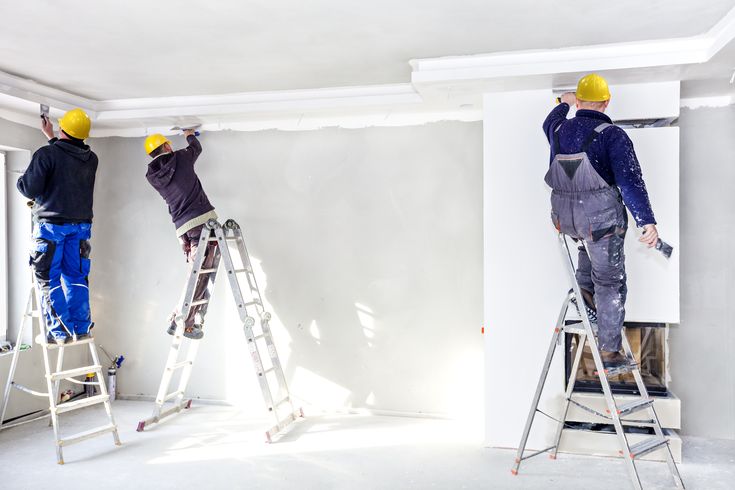
Quality Drywall & Wall Repair Services can address more than isolated holes. Depending on the property, repair work may include damaged drywall, surface imperfections, water-affected sections, and preparation for a new finish. Some local providers also combine drywall repair with painting and finishing, creating a more coordinated process from damaged surface to completed wall.
Finish the Surface Smoothly
After the damaged section has been patched or replaced, finishing work helps create a consistent appearance. Joint compound may need to be applied in multiple stages, followed by sanding and additional preparation. Careful finishing reduces ridges, uneven areas, and visible patch boundaries before the surface receives paint or another decorative treatment.
Consider Painting After Repairs
A repaired wall may look different from the surrounding surface even when the patch itself has been completed correctly. Differences in paint color, sheen, age, and texture can make repaired areas noticeable. Painting the affected wall or a larger surrounding section can help create a more uniform appearance and complete the restoration process.
Know When Replacement Is Appropriate
Some drywall damage may be too extensive for a simple patch. Large sections affected by water, severe impact, deterioration, or repeated problems may require partial or complete replacement. Local contractors in Lynchburg commonly provide both drywall repairs and installation, allowing property owners to address different levels of wall damage through the appropriate approach.
Think About the Cause of Recurring Damage
Repeated drywall problems deserve additional attention. If cracks, stains, or damaged areas continue returning, repairing the visible surface alone may not solve the underlying issue. Moisture intrusion, movement, plumbing problems, or other property conditions could contribute to recurring damage. Identifying the cause can help prevent repeated repairs and unnecessary maintenance expenses.
Maintain Repaired Surfaces
Once drywall repairs are complete, routine property maintenance can help preserve the finished walls. Addressing leaks promptly, controlling indoor moisture, protecting high-traffic areas, and repairing small problems before they expand can reduce future damage. Keeping walls clean and monitoring previously affected areas can also help homeowners notice new issues earlier.
Plan Repairs for a Consistent Finish
Drywall restoration is most effective when assessment, preparation, repair, finishing, and painting are treated as connected steps. Whether the damage involves a small hole or a larger affected section, careful workmanship can restore the wall’s appearance and usability. Taking time to understand the cause and required repair method helps create a more durable and visually consistent result.