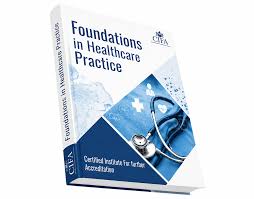
Healthcare is built on more than clinical knowledge. Delivering safe, compassionate, and effective care also requires strong communication, professional accountability, ethical awareness, teamwork, and a commitment to continuous learning. Whether supporting patients in a care home, assisting healthcare professionals, or working in a community care environment, understanding these principles can help individuals contribute more confidently to patient wellbeing.
The Foundations in Healthcare Practice course introduces learners to the professional standards and practical principles that underpin modern healthcare. It explores patient safety, evidence-based practice, emergency care management, healthcare compliance, risk prevention, incident reporting, and culturally aware communication.
For individuals entering healthcare or looking to strengthen their existing knowledge, structured learning can provide a useful starting point. CIFA offers this online course for learners who want to develop their understanding of responsible healthcare practice and the expectations associated with professional care environments.
Why Are Foundations in Healthcare Practice Important?
Healthcare professionals and support staff often work in situations where communication, attention to detail, and responsible decision-making can significantly affect patient experiences. Understanding professional expectations helps workers recognise their responsibilities, follow appropriate procedures, and contribute to safer care.
A strong foundation in healthcare practice can help learners understand how to protect patient dignity, maintain confidentiality, recognise potential risks, and communicate concerns to the appropriate people. It also reinforces the importance of working within the limits of one’s role and seeking guidance when a situation requires additional expertise.
Healthcare standards and procedures may vary between organisations and jurisdictions, so learners must also understand the importance of following current workplace policies and applicable regulations.
By developing awareness of these principles, learners can build a stronger foundation for responsible participation in healthcare and care services.
What Does the CIFA Healthcare Course Cover?
The Foundations in Healthcare Practice course explores five key areas designed to introduce learners to important responsibilities within healthcare settings.
1. Code of Conduct: Essential Principles for Healthcare Professionals
A professional code of conduct helps establish expectations for behaviour, responsibility, and patient interaction. Healthcare workers are expected to demonstrate respect, integrity, professionalism, and consideration for the needs of others.
This area introduces the importance of maintaining appropriate boundaries, respecting confidentiality, protecting dignity, and acting responsibly. Learners can develop a clearer understanding of how professional conduct influences patient trust and the quality of care.
Ethical practice also involves recognising situations that require advice or escalation. When a concern falls outside a worker’s authority or competence, following the appropriate reporting process is an important part of professional responsibility.
2. Evidence-Based Clinical Practice and Emergency Care Management
Evidence-based practice involves using reliable information, appropriate professional guidance, and relevant evidence to support care decisions. It encourages healthcare workers to avoid relying solely on assumptions and to follow recognised procedures suited to their responsibilities.
Emergency care management introduces the importance of recognising urgent situations, responding appropriately, and seeking help without unnecessary delay. Healthcare workers should understand their role in an emergency and follow their training, workplace protocols, and the instructions of qualified personnel.
This topic also highlights why accurate communication and timely reporting matter. Sharing relevant information with the appropriate team members can support coordinated responses and help protect patients from avoidable harm.
3. Healthcare Compliance, Professional Accountability, and Continuous Development
Healthcare organisations operate within professional, ethical, and legal frameworks intended to support safe and responsible care. Compliance means following the relevant policies, procedures, standards, and requirements that apply to a role.
Professional accountability involves taking responsibility for one’s actions, documenting information accurately, recognising limitations, and reporting concerns through appropriate channels. It also means understanding that patient information must be handled carefully and shared only when there is a legitimate and appropriate reason.
Continuous professional development is equally important because healthcare knowledge, procedures, and expectations can change. Reflective learning and additional training help individuals identify areas for improvement and maintain awareness of good practice.
Through this topic, learners can explore how accountability and ongoing development contribute to professional confidence and safer care environments.
4. Patient Safety, Risk Prevention, and Incident Reporting in Healthcare
Patient safety is a central responsibility across healthcare services. Risks may arise from communication failures, unsafe environments, incomplete records, equipment problems, medication-related errors, or failures to follow established procedures.
Risk prevention involves recognising hazards, following safety protocols, and raising concerns before problems escalate. Healthcare workers should understand the importance of reporting incidents and near misses according to their organisation’s procedures.
Incident reporting helps organisations identify patterns, review what happened, and consider improvements. It should support appropriate investigation and learning rather than encourage staff to conceal mistakes.
Learners can develop awareness of how attention to detail, accurate documentation, clear communication, and prompt escalation contribute to safer care.
5. Patient Communication, Cultural Awareness, and Collaborative Care
Effective communication helps healthcare workers understand patient needs, explain information appropriately, and build respectful relationships. It includes listening carefully, asking relevant questions, speaking clearly, and recognising when additional support may be needed.
Cultural awareness is also important because patients have different backgrounds, experiences, languages, beliefs, and personal preferences. Respectful care requires avoiding assumptions and recognising the individual needs and choices of each patient.
Collaborative care involves working constructively with colleagues and other relevant professionals. Sharing appropriate information, understanding team responsibilities, and communicating changes in a patient’s condition can help support continuity of care.
This topic reinforces the importance of empathy, inclusion, teamwork, and patient-centred communication in professional healthcare environments.
Who Should Study Foundations in Healthcare Practice?
The course may be relevant to several groups of learners who want to understand healthcare responsibilities and standards.
Aspiring healthcare workers can use introductory learning to explore the expectations associated with professional care and decide which areas they may wish to study further.
Healthcare assistants and support workers may find the material useful for reviewing patient safety, communication, accountability, and professional conduct.
Care staff working in residential or community settings can develop a broader understanding of dignity, risk prevention, teamwork, and the importance of following established procedures.
Individuals changing careers may benefit from learning about the responsibilities and standards involved in healthcare before pursuing further education or suitable entry-level opportunities.
Organisations providing staff development may consider foundational training as one part of a wider programme of workplace learning and professional development.
The course is educational and should not be treated as a substitute for role-specific clinical training, supervised practical experience, mandatory workplace training, or professional registration where these are required.
How Professional Communication Improves Patient Care
Communication influences nearly every aspect of healthcare. Patients need to feel that their concerns are heard, their privacy is respected, and the information they receive is clear. Healthcare teams also need reliable communication to coordinate responsibilities and respond to changes.
For example, a support worker who notices a change in a patient’s behaviour or condition should communicate the concern promptly through the appropriate process. Clear reporting helps the responsible professional assess the situation and decide what action is necessary.
Good communication also involves adapting to individual needs. Some patients may need information explained more slowly, while others may require language assistance or communication support. Respectful listening helps workers avoid misunderstandings and provide a more considerate experience.
Learning about these principles can help healthcare workers recognise communication as a practical safety skill rather than simply a personal quality.
The Importance of Ethics and Professional Accountability
Ethical healthcare practice involves respecting patients as individuals and recognising their rights, dignity, privacy, and preferences. It also requires honesty, appropriate professional boundaries, and responsible handling of sensitive information.
Accountability means understanding the responsibilities attached to a role and acting within one’s competence. Healthcare workers should not undertake tasks for which they are not trained or authorised. When uncertain, they should seek guidance from the appropriate supervisor or qualified professional.
These principles are particularly important when working with people who may be vulnerable, dependent on support, or unable to communicate their needs easily.
A structured learning programme can help learners understand the significance of professional conduct and why ethical responsibilities must remain central to everyday care.
Why Choose CIFA for Healthcare Learning?
CIFA provides online learning programmes across professional and vocational subject areas. Its Foundations in Healthcare Practice course focuses on key principles of healthcare conduct, evidence-based practice, compliance, patient safety, risk prevention, and communication.
The course is listed at intermediate level and provides 40 CPD hours. The learning package includes an e-book, chapter-based mock exams, lifetime portal access, a digital profile, and a certificate of achievement after successful completion and passing the exam.
The online format can offer flexibility to learners balancing study with work or other responsibilities. The chapter-based structure also allows learners to explore the main topics in stages and review their understanding as they progress.
Before enrolling, prospective learners should review the latest course information, assessment requirements, and any additional training or qualifications needed for their intended role.
How to Make the Most of Healthcare Training
To get the greatest benefit from a healthcare course, learners should connect the concepts they study with realistic workplace situations.
One useful approach is to consider how professional principles apply when a patient raises a concern, a safety hazard is identified, or a colleague needs important information. Thinking through these examples can help learners understand when to act, when to document information, and when to escalate a matter.
Learners can also review the difference between general awareness and practical competence. Understanding emergency procedures in theory does not automatically qualify someone to perform every emergency intervention. Practical tasks must be supported by appropriate training, supervision, and authorisation.
Reflective learning is another valuable habit. After studying a topic, learners can consider what they understood well, which areas need further explanation, and how the knowledge may apply within their responsibilities.
These approaches help make learning more relevant while reinforcing the importance of safe, ethical, and evidence-informed practice.
Career Development in Healthcare and Care Services
Healthcare includes a wide range of roles, from patient support and care assistance to clinical services, administration, and operational coordination. Each role has specific responsibilities, and the qualifications required can differ considerably.
Knowledge of patient safety, communication, professional conduct, and compliance can complement experience in many healthcare-related environments. For learners exploring the sector, foundational training may help them understand workplace expectations and identify areas for further development.
However, completing an introductory or intermediate course does not automatically qualify someone to practise as a nurse, doctor, or other regulated healthcare professional. Many positions require recognised qualifications, practical placements, background checks, registration, or other role-specific requirements.
Learners should therefore use their training as part of a broader development plan that includes checking the requirements of their intended occupation and gaining the appropriate practical experience.
Conclusion
Safe and effective healthcare depends on professional conduct, clear communication, patient-centred care, accountability, and a commitment to continuous improvement. These principles help healthcare teams protect patient dignity, recognise risks, respond appropriately to concerns, and work together more effectively.
The Foundations in Healthcare Practice course introduces learners to these essential areas through topics covering codes of conduct, evidence-based practice, compliance, patient safety, incident reporting, and collaborative care.
For aspiring healthcare workers, support staff, and individuals interested in developing their understanding of care environments, the course can provide a structured starting point. Through its online learning approach, CIFA offers an opportunity to build foundational knowledge that learners can use to guide further study and professional development.
Frequently Asked Questions
What is a Foundations in Healthcare Practice course?
It is a learning programme that introduces key healthcare principles, including professional conduct, patient safety, communication, accountability, compliance, and responsible care.
Who can benefit from healthcare practice training?
Aspiring healthcare workers, healthcare assistants, support staff, care workers, career changers, and people seeking to improve their understanding of professional healthcare standards may benefit.
What topics are covered in the CIFA healthcare course?
The course covers professional codes of conduct, evidence-based clinical practice, emergency care management, healthcare compliance, accountability, continuous development, patient safety, risk prevention, incident reporting, communication, and collaborative care.
How many CPD hours does the course provide?
The CIFA course is listed as providing 40 CPD hours. Learners should check the current course details for the latest information.
Can this course qualify me to work as a nurse or doctor?
No. The course provides foundational healthcare learning but does not replace the recognised qualifications, practical training, registration, or other requirements needed for regulated clinical professions.
Why are patient safety and incident reporting important?
They help healthcare teams identify risks, respond to concerns, document incidents, and learn from events that could affect patient wellbeing. Following the correct procedures can support safer care and continuous improvement.