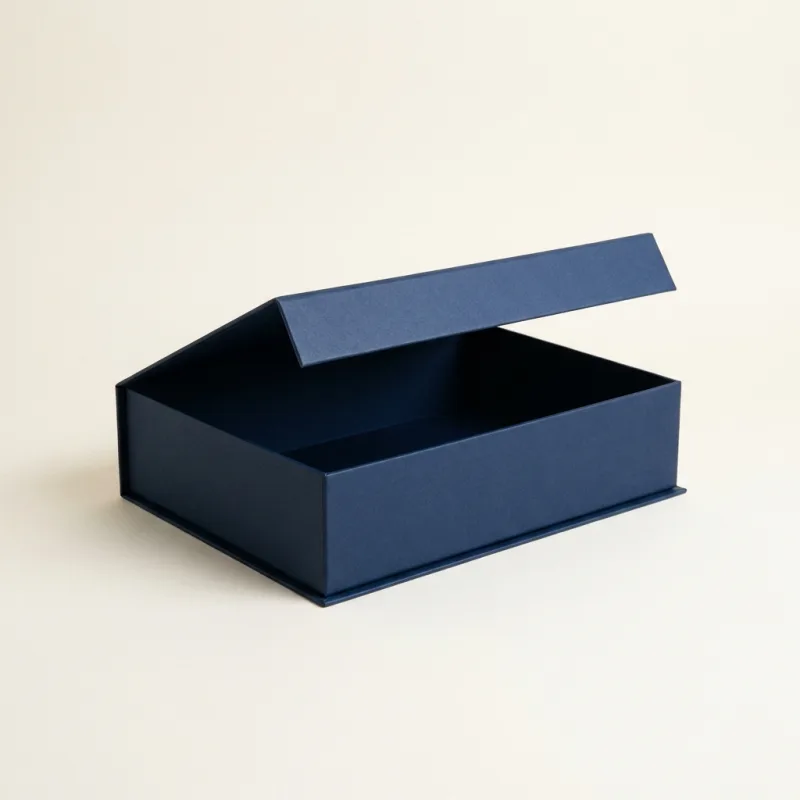
Rigid boxes have long been the go-to choice for premium packaging. Think of the sturdy box that holds a smartphone, a fragrance set, or a piece of fine jewelry. As more American shoppers and brands care about sustainability, one question keeps coming up: can recycled paperboard deliver the same strength and polished look as virgin board?
The short answer is yes. Modern recycled paperboard, when chosen and finished well, can produce rigid boxes that are strong, attractive, and kinder to the environment. Here is how it works, where it excels, and what to watch for.
What Is Recycled Paperboard?
Recycled paperboard is made from recovered paper fiber, such as used cardboard, office paper, and packaging, that is pulped, cleaned, and pressed into thick, sturdy sheets. It is often sold as chipboard, greyboard, or recycled grey board.
Rigid boxes are built differently from folding cartons. They start with a thick paperboard core, usually between 1.5 mm and 3 mm, which is then wrapped in a decorative paper or other covering. The core provides strength, and the wrap provides the look. This construction is what makes recycled paperboard such a natural fit.
Why Recycled Paperboard Works So Well for Rigid Boxes
It’s Strong and Dense
Greyboard is typically made from multiple layers of recycled fiber laminated and compressed together. The result is a stiff, dense board that resists bending, denting, and crushing. For a rigid box, which needs to hold its shape for years, that stiffness is exactly what matters.
The Wrap Hides the Core
Because the paperboard core is covered with printed or textured paper, customers never see the board itself. That means recycled content makes no difference to the finished appearance. Whether the wrap is matte, glossy, linen-textured, or soft-touch, the box looks premium.
It Takes Finishing Well
Recycled paperboard cores work with many popular finishing options:
- Hot foil stamping for metallic logos and accents
- Embossing and debossing for raised or recessed textures
- Spot UV for glossy highlights
- Soft-touch lamination for a velvety feel
- Custom printing in full color on the wrapping paper
Since the visible layer is the wrap, you get the same visual impact as a box built on virgin board.
It Supports Sustainability Goals
Using recycled fiber reduces demand for virgin wood pulp and helps keep paper out of landfills. Paper and paperboard are among the most recycled materials in the United States, and the recycling infrastructure for them is mature. For brands that want to show environmental responsibility, recycled paperboard is an easy, credible step.
Possible Limitations to Consider
Recycled paperboard is a strong option, but it helps to know its trade-offs.
Variation in fiber quality. Recycled content can vary from batch to batch. Reputable manufacturers control for this with quality testing, but lower-grade board may show minor inconsistencies in color or surface.
Moisture sensitivity. Like most paperboard, recycled board can absorb moisture and weaken if stored in damp conditions. Proper storage and protective coatings on the wrap help.
Not always the best choice for direct food contact. If a rigid box will touch food directly, it may need a food-safe liner or barrier, since recycled fibers may contain trace residues. Always check applicable FDA guidance for food packaging.
Recyclability of the full box. The core is easily recyclable, but extras like magnets, ribbons, foam, and heavy lamination can complicate recycling. Choosing simpler components makes the box easier to reuse or recycle.
How Recycled Rigid Boxes Are Made
Understanding the process helps you judge quality:
- Core cutting. Recycled paperboard sheets are cut and scored to the box dimensions.
- Wrapping. A printed or decorative paper is glued around the board, with edges mitered or wrapped neatly.
- Assembly. Corners are formed and reinforced, and the lid and base are joined.
- Finishing. Foil, embossing, spot UV, or lamination is applied.
- Inserts. Custom inserts made from paperboard or molded pulp hold products in place.
- Quality check. Boxes are inspected for alignment, glue strength, and surface defects.
Affordable Custom Rigid Boxes With Logo
Many brands assume rigid packaging is only for luxury budgets. In reality, affordable custom rigid boxes with logo are well within reach, and recycled paperboard is part of the reason. Recycled board is generally cost-competitive with virgin board, and its stiffness means you can often use a slightly thinner core without losing durability.
A few ways to keep costs reasonable while still getting a high-end look:
- Choose standard sizes when possible to avoid expensive custom tooling.
- Limit finishing options. One well-placed foil logo often has more impact than five effects.
- Order in realistic volumes. Per-unit prices drop as quantity rises, but avoid ordering more than you can store.
- Simplify the structure. A classic two-piece lid-and-base box costs less than a magnetic closure or drawer style.
- Use recycled inserts. Paperboard or molded pulp inserts are cheaper than foam and more eco-friendly.
- Request samples first so you can confirm quality before committing to a large run.
Your logo is where branding does the most work. A debossed or foil-stamped logo on a clean, minimal box looks sophisticated and costs far less than a heavily decorated design.
Who Benefits Most From Recycled Rigid Boxes?
Recycled rigid boxes suit a wide range of U.S. businesses, including:
- Cosmetics and skincare brands wanting a premium unboxing experience
- Jewelry and accessory sellers who need protective gift packaging
- Subscription box companies that value presentation and durability
- Candle and gift-set makers selling to eco-conscious shoppers
- Corporate gifting and promotional programs that want a polished first impression
- Small online sellers building a brand identity from the first order
Tips for Choosing a Manufacturer
When comparing suppliers, ask about the recycled content percentage of the board, board thickness options, sample availability, and finishing capabilities. Look for certifications such as FSC (Forest Stewardship Council) or SFI (Sustainable Forestry Initiative) when they matter to your brand, and request clear information about minimum order quantities and turnaround times. A reliable manufacturer will be open about materials and happy to explain how the box can be recycled after use.
Frequently Asked Questions
1. Is recycled paperboard strong enough for rigid boxes?
Yes. Recycled greyboard is dense and stiff, which is why it is the standard core material for many rigid boxes, including premium products.
2. Will a recycled paperboard box look cheaper than one made with virgin board?
No. The core is covered by a wrap paper, so the finished look depends on the printing, paper, and finishing you choose, not on the core material.
3. Can I print my logo on recycled rigid boxes?
Yes. Logos can be printed on the wrap paper, or applied with foil stamping, embossing, or debossing for a more premium effect.
4. Are recycled rigid boxes recyclable themselves?
Often, yes, especially if you avoid plastic laminations, foam, and metal closures. Simple paper-based construction is easiest to recycle.
5. Are recycled rigid boxes more expensive?
Not usually. Recycled paperboard is generally cost-competitive, and smart design choices can keep custom rigid boxes affordable.
6. Are recycled rigid boxes safe for food products?
Not always for direct contact. If food touches the box, use a food-safe liner or barrier and follow FDA guidelines.
Final Thoughts
Recycled paperboard is not a compromise. It is a proven, practical material for manufacturing high-quality rigid boxes that feel substantial, look polished, and align with growing sustainability expectations. With thoughtful design, a clear logo treatment, and a trustworthy manufacturer, affordable custom rigid boxes with logo can elevate your product and your brand while using fewer virgin resources.