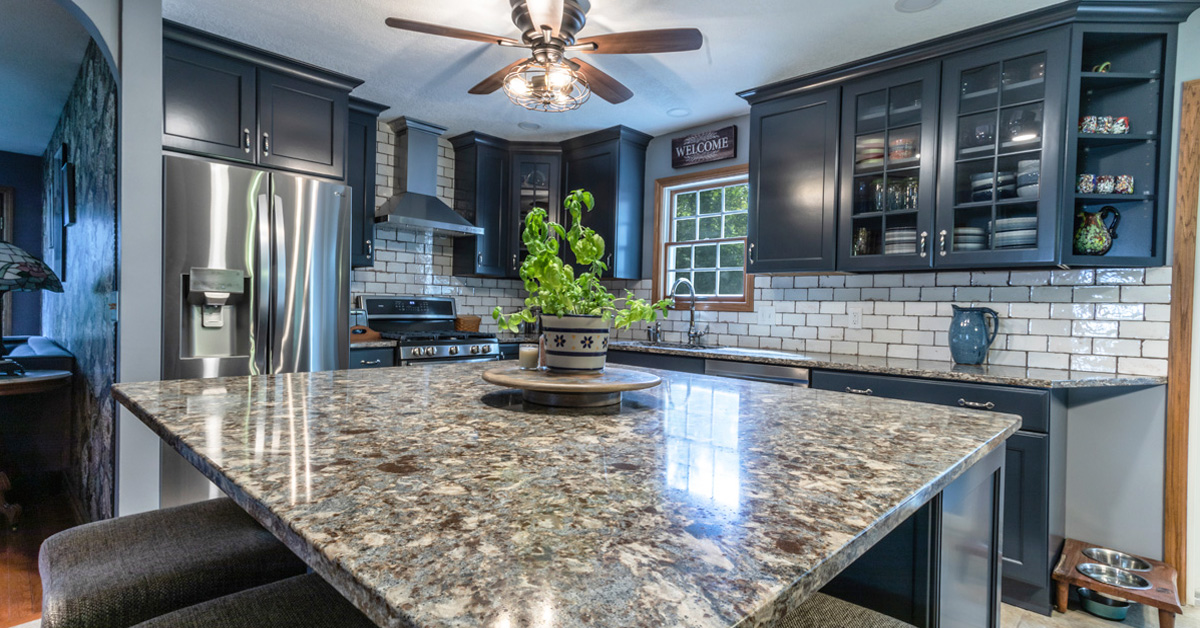
Kitchen countertops support cooking, cleaning, food preparation, and many everyday activities. However, outdated or damaged countertops can make the space difficult to maintain. Scratches, stains, poor seams, and unsuitable layouts may also affect the overall appearance of the kitchen. Replacing countertops provides an opportunity to improve both function and design. Nevertheless, successful results require more than selecting an attractive material. We should consider cabinet conditions, measurements, sink openings, fabrication methods, and installation requirements before beginning the project.
Why Professional Countertop Installation Is Worth Considering
Choosing professional countertop installation services can help homeowners achieve accurate fitting, suitable support, and a coordinated kitchen appearance. However, installation quality depends on correct measurements and preparation. Therefore, a detailed review of the existing kitchen should happen before fabricating the new surface. For example, uneven cabinets may prevent a countertop from sitting correctly. Similarly, inaccurate sink measurements can create problems during installation. A professional approach considers these details before cutting the material. As a result, homeowners can reduce the risk of installation delays and expensive adjustments.
Evaluate the Existing Kitchen Countertops
Before choosing a replacement, we should identify why the current countertop no longer meets our needs. Some surfaces show wear from years of cooking and cleaning. Others have damage caused by moisture, impacts, or improper installation. However, not every problem requires a complete replacement.
Check for Structural or Support Issues
Visible cracks, unstable sections, or separated seams may indicate that the countertop needs professional assessment. We should also examine the supporting cabinets. For example, water damage beneath the sink can weaken some cabinet materials. Installing new stone over unsuitable support may create future problems. Therefore, structural concerns should receive attention before selecting decorative finishes.
Choosing the Right Countertop Material
Countertop materials offer different performance characteristics. Granite provides natural patterns and useful resistance to scratches and heat. Quartz offers consistent designs and low-porosity surfaces. Marble creates an elegant appearance but requires greater attention to acidic substances. Quartzite can provide distinctive natural movement and strong surface performance, depending on the variety.
Match Materials With Daily Kitchen Use
A busy household may prioritize stain resistance and manageable cleaning. Meanwhile, homeowners who value natural stone patterns may prefer granite or marble. However, every material has limitations. For example, quartz can be sensitive to excessive heat, while some natural stones require sealing. We should choose a surface that matches our lifestyle rather than appearance alone.
Selecting Countertop Colors and Patterns
Countertop color influences how the entire kitchen looks. Light surfaces can complement dark cabinets and create contrast. Meanwhile, dark stone may provide a dramatic appearance against white cabinetry. Natural wood cabinets often work well with warm cream or beige countertops. However, lighting can change how colors appear.
Review Full Slabs Whenever Possible
Natural stone patterns can vary considerably. Therefore, small samples may not show the complete appearance. For example, a granite slab may contain large mineral movements that become more noticeable across a kitchen island. We should examine the full stone when possible and discuss how fabrication will affect pattern placement. This is especially important for countertops with strong veining.
Understanding Countertop Thickness and Edge Profiles
Thickness influences appearance, support requirements, and fabrication. Different materials and manufacturers offer different standard options. For example, many stone countertop projects use slabs around 2 or 3 centimeters thick. However, availability and installation requirements vary.
Choose Edges That Suit the Kitchen
A simple eased edge creates a clean appearance. Meanwhile, rounded edges can soften the countertop’s visual lines. More decorative profiles may complement traditional cabinetry. However, edge selection should also consider comfort and maintenance. We should compare actual samples before making a final decision.
Preparing Cabinets for New Countertops
Cabinet preparation is one of the most important parts of countertop installation. The supporting structures should be stable and suitable for the selected material. Therefore, we should inspect the cabinets before ordering the countertop.
Check Cabinet Alignment
Uneven cabinets may create gaps or support problems. Professional installers can assess whether leveling or adjustments are necessary. However, major cabinet damage may require repair or replacement. We should also check whether large countertop overhangs need additional support. These details should become part of the project plan.
Planning Sink and Faucet Openings
Sink placement influences countertop function and appearance. Undermount sinks create a smooth visible transition between the counter and basin. Drop-in sinks offer another installation option. However, each design requires accurate measurements.
Confirm Sink Specifications Early
The fabricator needs the correct sink dimensions before preparing the opening. We should also confirm faucet locations and required clearances. For example, some faucets need additional room near backsplashes or windows. Changing these details after fabrication begins can increase costs. Therefore, early coordination helps prevent unnecessary complications.
Understanding the Countertop Fabrication Process
Countertop fabrication transforms a slab into sections that match the kitchen layout. The process often begins with final measurements or digital templating. Next, the fabricator prepares cutting plans based on countertop dimensions, sink openings, and edge details.
Why Accurate Templating Matters
Kitchen walls are not always perfectly straight. Therefore, fabrication measurements must reflect the actual installation conditions. A small mistake can create visible gaps or fitting problems. We should also confirm whether the design requires seams. Discussing seam placement before cutting helps set realistic expectations.
What Affects Countertop Installation Costs?
Countertop pricing depends on material selection, total surface area, fabrication complexity, and installation work. For example, a long, straight countertop may require less complex fabrication than a kitchen with several corners. Sink cutouts, edge profiles, and large islands can also affect costs. Therefore, we should compare complete project estimates rather than material prices alone.
Include Additional Services
The final expense may include old countertop removal, delivery, fabrication, installation, and related repairs. Plumbing disconnection and reconnection may require separate services. Moreover, cabinet modifications can affect the project budget. A written estimate should explain which activities are included. This helps homeowners make better comparisons.
Local Countertop Installation Considerations
For homeowners in Columbia, Maryland, countertop replacement should account for the existing kitchen layout, cabinet condition, and any related plumbing or electrical requirements. Some projects involve only surface replacement. However, larger renovations may include new cabinets, sinks, lighting, and backsplash installation. Therefore, we should define the full project scope before requesting a final quote. A contractor can then evaluate the work more accurately.
Choosing a Qualified Countertop Contractor
Working with an experienced countertop contractor can help homeowners coordinate measurements, material selection, fabrication, and installation. However, contractor selection should involve more than comparing prices. We should review relevant project experience, insurance information, and written estimates.
Ask About Fabrication and Installation
We should ask whether the company handles fabrication directly or coordinates with another provider. It is also important to understand who will measure the kitchen and approve the cutting plan. For example, countertop installers may need to coordinate with cabinet installers or plumbers. Clear responsibilities reduce misunderstandings.
Discuss Installation Scheduling
Material availability and fabrication requirements can influence the installation date. Therefore, we should confirm the expected schedule before removing the existing countertop. The contractor should also explain any preparation required from the homeowner. A realistic schedule helps reduce unnecessary disruption.
Preparing for Countertop Installation Day
Countertop installation requires clear access to the kitchen. We should remove small appliances, decorations, and other belongings from nearby work surfaces. Cabinets should also be ready for installation.If plumbing needs temporary disconnection, we should arrange it according to the project schedule.
Protect Nearby Surfaces
Countertop sections can be heavy. Therefore, installation teams need suitable access and handling arrangements. We should discuss protection for flooring, cabinets, and nearby walls. Pets and children should remain away from the active work area. These precautions help create a safer installation environment.
Inspect the Finished Countertop
After installation, we should review the visible seams, edges, sink openings, and alignment. The surface should match the approved layout and selected material. We should also confirm that the sink and faucet work correctly once the appropriate plumbing connections are complete.
Review Cleaning and Maintenance Instructions
Different countertop materials require different cleaning methods. Therefore, we should ask for care guidance specific to the installed product. For example, some natural stones require sealing. Quartz generally needs no routine sealing but should be protected from excessive heat and harsh chemicals. Using suitable cleaning products helps preserve the surface.
Avoid Common Countertop Replacement Mistakes
One common mistake is selecting a countertop before checking cabinet support. Another involves approving fabrication before confirming sink and appliance dimensions. Homeowners may also overlook seam locations or assume every stone pattern will match perfectly. Therefore, careful planning is essential.
Compare Complete Proposals
A low initial quote may exclude services that another proposal includes. For example, removal, plumbing work, or backsplash repairs may require separate charges. We should compare materials, fabrication, installation, and warranties together. This provides a clearer understanding of the investment.
Final Thoughts
Countertop installation can improve kitchen appearance, cleaning convenience, and daily functionality. However, successful results depend on accurate measurements, suitable materials, reliable cabinet support, and professional fabrication. We should evaluate the existing kitchen before purchasing a new surface and confirm installation responsibilities in writing. With thoughtful planning and proper care, a new countertop can become an attractive and practical feature for years.
Frequently Asked Questions About Countertop Installation
How much does professional countertop installation cost?
Countertop installation costs depend on the material, kitchen size, fabrication requirements, and labor. Granite, quartz, marble, and quartzite have different price ranges. Additionally, sink cutouts, edge profiles, and old countertop removal may increase the total cost. Therefore, homeowners should request a detailed estimate before starting the project.
How long does countertop installation take?
The physical installation often takes a few hours to a full day for a straightforward kitchen. However, larger kitchens, complex layouts, and additional plumbing work may require more time. Measuring, fabrication, and material delivery also happen before installation day, so the complete project timeline is longer.
Should kitchen cabinets be installed before countertops?
Yes. Kitchen cabinets should be properly installed, secured, and leveled before final countertop measurements. This provides a stable foundation for the new surface. Moreover, accurate cabinet placement helps prevent gaps, uneven seams, and fitting problems during installation.
Which countertop material is best for a busy kitchen?
Quartz and granite are popular choices for busy kitchens because they offer durability and manageable cleaning requirements. Quartz generally needs no sealing, while some granite varieties require periodic sealing. However, the best material depends on cooking habits, maintenance preferences, budget, and design requirements.
Can new countertops be installed over existing countertops?
In some situations, countertop overlays are possible. However, this depends on the existing material, cabinet support, and the selected installation system. Natural stone countertops generally require a properly prepared supporting structure. Therefore, a professional should inspect the existing surfaces before recommending an installation method.
Do countertop installers remove the old countertops?
Many countertop installation companies offer removal services. However, removal is not always included in the initial estimate. Homeowners should confirm whether demolition, disposal, plumbing disconnection, and related repairs are part of the project before scheduling installation.
Do I need to purchase a sink before countertop installation?
Yes. Homeowners should select their sink before final countertop fabrication. The fabricator needs accurate sink dimensions and mounting specifications to prepare the opening. Additionally, confirming faucet placement early helps prevent measurement errors, installation delays, and unexpected expenses.