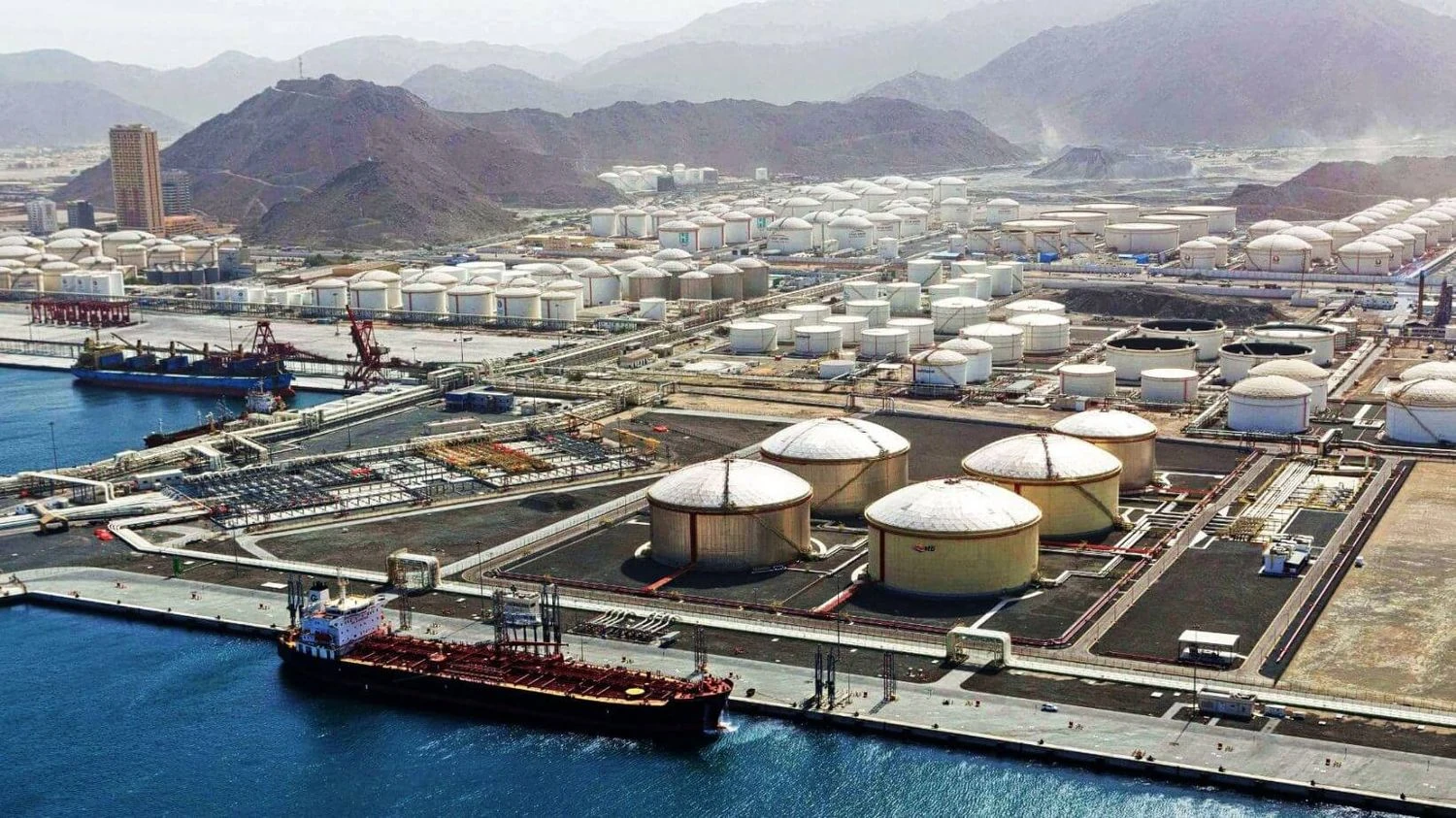
The energy sector plays an important role in supporting businesses, transportation networks, construction projects, and industrial operationUAE Oil Companies: Understanding Petroleum Supply and Industrial Fuel Needs
The energy sector plays an important role in supporting businesses, transportation networks, construction projects, and industrial operations across the United Arab Emirates. UAE Oil Companies serve different parts of this supply chain, from petroleum production and trading to the distribution of refined fuel products. For businesses that rely on a consistent supply of diesel, fuel oil, kerosene, or other petroleum products, understanding how suppliers operate can help with purchasing decisions and long-term planning.
Companies need more than a product quotation when arranging fuel supply. They must also consider delivery schedules, product specifications, storage capacity, transportation arrangements, and the reliability of their supplier. These factors can influence operating costs and help businesses maintain their daily activities.
The Role of Petroleum Suppliers in the UAE Economy
Petroleum products are used across a wide range of commercial and industrial activities. Construction companies depend on fuel to operate machinery and equipment, while logistics providers need it to keep trucks and other vehicles moving. Factories and industrial facilities may also use specific fuels for heating, processing, and power generation.
Petroleum suppliers help connect available products with the businesses that require them. Depending on their operations, suppliers may manage product sourcing, storage, transportation, bulk orders, and scheduled deliveries. This support is particularly useful for businesses that consume fuel regularly and need to plan purchases around their operational schedules.
The UAE’s commercial environment includes different types of energy businesses, including producers, distributors, traders, and specialized fuel suppliers. Each serves a different purpose within the wider petroleum supply chain, so buyers should understand the services offered before choosing a supplier.
Understanding the Different Types of Petroleum Products
Not every business uses the same type of fuel. The right product depends on the equipment, operating conditions, technical specifications, and intended application.
Diesel for Transportation and Equipment
Diesel is commonly used in commercial vehicles, heavy machinery, generators, and equipment designed for diesel engines. Businesses in construction, logistics, transportation, and other sectors may require regular diesel deliveries to keep their operations running.
When purchasing diesel, buyers should confirm that the product meets the specifications required by their engines or equipment. They should also consider the quantity needed, delivery location, storage arrangements, and expected consumption. These details help suppliers prepare a suitable quotation and delivery plan.
Fuel Oil for Industrial Applications
Fuel oil is used in certain industrial heating and power applications, depending on the equipment and the grade required. Facilities that use fuel oil should verify the appropriate product specification before placing an order.
A supplier should be able to explain the available product options and provide relevant information to help customers assess whether a particular grade meets their requirements. Businesses should avoid selecting fuel based on price alone when technical suitability is essential.
Kerosene for Specific Uses
Kerosene has applications in certain heating, lighting, and industrial processes. Its suitability depends on the intended use and the equipment involved.
Before ordering kerosene, buyers should establish the required grade, expected volume, and delivery arrangements. Clear communication helps reduce misunderstandings and supports more efficient purchasing.
Bitumen for Construction and Infrastructure
Bitumen is a petroleum-derived material widely associated with road construction and infrastructure work. Construction businesses may need specific grades according to project specifications and application requirements.
For these orders, buyers should confirm the required grade, packaging or transportation method, quantity, and delivery schedule. A supplier’s ability to understand the project’s specifications can help make procurement more straightforward.
How to Choose Among UAE Oil Companies
Selecting a petroleum supplier requires a review of several practical considerations. The lowest quotation may not always represent the best overall value if delivery arrangements, product suitability, or service support do not meet the business’s needs.
First, confirm the supplier’s product range. Some companies focus on particular fuels, while others offer several petroleum products for commercial and industrial customers. Working with a supplier whose products match your requirements can simplify communication and ordering.
Second, check the company’s ability to meet your delivery needs. Businesses that consume fuel in large quantities may require bulk deliveries, scheduled orders, or on-site refuelling arrangements. Ask whether the supplier can serve your location and accommodate your expected delivery frequency.
Third, review documentation and product specifications. Buyers should confirm the applicable quality requirements, quantities, invoicing terms, and any necessary records before agreeing to a supply arrangement.
Finally, evaluate communication and customer support. Clear quotations, realistic delivery commitments, and timely responses can make it easier to manage fuel procurement over the long term.
Why Delivery Planning Matters for Businesses
Fuel supply is closely connected to daily business operations. If a construction site runs out of diesel, equipment may have to stop working. If a fleet does not receive fuel on schedule, deliveries and transport plans can be disrupted. For industrial facilities, a delay may affect production schedules or other essential activities.
Advance planning can help reduce these risks. Businesses should estimate their average fuel consumption, review storage capacity, and establish an ordering schedule that reflects their operational needs. Customers with predictable demand may benefit from discussing recurring deliveries with their supplier.
Delivery planning should also take account of access to the site, unloading requirements, safety procedures, and the quantity that can be received at one time. Sharing these details before an order is confirmed helps the supplier prepare for the delivery.
Managing Petroleum Procurement Costs
Fuel expenditure can form a significant part of operating costs for businesses that use heavy vehicles, generators, machinery, or industrial equipment. Procurement teams can improve cost planning by tracking consumption and comparing quotations on consistent terms.
When comparing offers, businesses should check whether the quoted price includes transportation, delivery fees, applicable charges, and any minimum-order requirements. A clear comparison makes it easier to understand the actual cost of receiving the product.
It is also useful to maintain records of fuel purchases and consumption. These records can help businesses identify changes in usage, forecast future requirements, and avoid unnecessary emergency orders.
Prices and supply terms can change according to market conditions, product specifications, quantity, and delivery location. Businesses should therefore request current quotations rather than relying on outdated prices when preparing budgets.
Safety and Responsible Fuel Handling
Petroleum products require appropriate handling, transportation, and storage procedures. Businesses should make sure that their facilities and staff follow the relevant safety requirements for the specific product being used.
Storage areas should be suitable for the product, and staff should understand the procedures for receiving and handling deliveries. Equipment, containers, and transfer systems should be appropriate for their intended use and maintained according to applicable requirements.
Customers should also confirm that suppliers and transportation providers have the necessary authorizations for their activities. Petroleum trading, storage, transportation, and distribution may be subject to specific regulatory requirements, which can vary by emirate and product category.
Good communication between the buyer, supplier, and site team helps ensure that delivery arrangements account for access, safety, and unloading requirements.
Petroleum Supply Solutions from Al Faraji Oil
Businesses looking for commercial and industrial petroleum products can explore the range offered by Al Faraji Oil & Diesel Trading. The company lists products including diesel, fuel oil, kerosene, furnace oil, white spirit, bitumen, base oil, and used oil. Its website also describes transportation and on-site diesel refuelling services for customers with relevant requirements.
Before placing an order, businesses should discuss the exact product specification, quantity, delivery location, and required schedule. This allows the supplier to confirm whether it can meet the customer’s needs and provide a quotation based on the requested arrangement.
Companies can learn more by visiting the Al Faraji Oil website and reviewing its available products and services.
The Importance of Building a Reliable Supply Relationship
A long-term relationship with a suitable petroleum supplier can make procurement easier to manage. Once a supplier understands a customer’s consumption patterns, delivery locations, and product specifications, it may be easier to coordinate repeat orders and plan future requirements.
Businesses should continue to review service quality, delivery performance, documentation, and pricing as their needs change. Regular communication also helps suppliers respond to changes in demand or operational schedules.
Choosing a supplier should be based on a clear understanding of the company’s requirements rather than assumptions about size or reputation alone. Comparing relevant details allows buyers to make decisions that support their operations.
Conclusion
Petroleum supply is an important part of many commercial and industrial activities across the UAE. From diesel for transportation and machinery to fuel oil for selected industrial applications and bitumen for infrastructure projects, different products serve different operational purposes.
When comparing UAE Oil Companies, businesses should evaluate product suitability, delivery capabilities, pricing terms, documentation, and safety practices. Careful planning can help control procurement costs and reduce the risk of interruptions caused by fuel shortages.
By identifying their requirements and communicating them clearly, businesses can make more informed purchasing decisions and develop supply arrangements that support their day-to-day operations.s across the United Arab Emirates. UAE Oil Companies serve different parts of this supply chain, from petroleum production and trading to the distribution of refined fuel products. For businesses that rely on a consistent supply of diesel, fuel oil, kerosene, or other petroleum products, understanding how suppliers operate can help with purchasing decisions and long-term planning.
Companies need more than a product quotation when arranging fuel supply. They must also consider delivery schedules, product specifications, storage capacity, transportation arrangements, and the reliability of their supplier. These factors can influence operating costs and help businesses maintain their daily activities.
The Role of Petroleum Suppliers in the UAE Economy
Petroleum products are used across a wide range of commercial and industrial activities. Construction companies depend on fuel to operate machinery and equipment, while logistics providers need it to keep trucks and other vehicles moving. Factories and industrial facilities may also use specific fuels for heating, processing, and power generation.
Petroleum suppliers help connect available products with the businesses that require them. Depending on their operations, suppliers may manage product sourcing, storage, transportation, bulk orders, and scheduled deliveries. This support is particularly useful for businesses that consume fuel regularly and need to plan purchases around their operational schedules.
The UAE’s commercial environment includes different types of energy businesses, including producers, distributors, traders, and specialized fuel suppliers. Each serves a different purpose within the wider petroleum supply chain, so buyers should understand the services offered before choosing a supplier.
Understanding the Different Types of Petroleum Products
Not every business uses the same type of fuel. The right product depends on the equipment, operating conditions, technical specifications, and intended application.
Diesel for Transportation and Equipment
Diesel is commonly used in commercial vehicles, heavy machinery, generators, and equipment designed for diesel engines. Businesses in construction, logistics, transportation, and other sectors may require regular diesel deliveries to keep their operations running.
When purchasing diesel, buyers should confirm that the product meets the specifications required by their engines or equipment. They should also consider the quantity needed, delivery location, storage arrangements, and expected consumption. These details help suppliers prepare a suitable quotation and delivery plan.
Fuel Oil for Industrial Applications
Fuel oil is used in certain industrial heating and power applications, depending on the equipment and the grade required. Facilities that use fuel oil should verify the appropriate product specification before placing an order.
A supplier should be able to explain the available product options and provide relevant information to help customers assess whether a particular grade meets their requirements. Businesses should avoid selecting fuel based on price alone when technical suitability is essential.
Kerosene for Specific Uses
Kerosene has applications in certain heating, lighting, and industrial processes. Its suitability depends on the intended use and the equipment involved.
Before ordering kerosene, buyers should establish the required grade, expected volume, and delivery arrangements. Clear communication helps reduce misunderstandings and supports more efficient purchasing.
Bitumen for Construction and Infrastructure
Bitumen is a petroleum-derived material widely associated with road construction and infrastructure work. Construction businesses may need specific grades according to project specifications and application requirements.
For these orders, buyers should confirm the required grade, packaging or transportation method, quantity, and delivery schedule. A supplier’s ability to understand the project’s specifications can help make procurement more straightforward.
How to Choose Among UAE Oil Companies
Selecting a petroleum supplier requires a review of several practical considerations. The lowest quotation may not always represent the best overall value if delivery arrangements, product suitability, or service support do not meet the business’s needs.
First, confirm the supplier’s product range. Some companies focus on particular fuels, while others offer several petroleum products for commercial and industrial customers. Working with a supplier whose products match your requirements can simplify communication and ordering.
Second, check the company’s ability to meet your delivery needs. Businesses that consume fuel in large quantities may require bulk deliveries, scheduled orders, or on-site refuelling arrangements. Ask whether the supplier can serve your location and accommodate your expected delivery frequency.
Third, review documentation and product specifications. Buyers should confirm the applicable quality requirements, quantities, invoicing terms, and any necessary records before agreeing to a supply arrangement.
Finally, evaluate communication and customer support. Clear quotations, realistic delivery commitments, and timely responses can make it easier to manage fuel procurement over the long term.
Why Delivery Planning Matters for Businesses
Fuel supply is closely connected to daily business operations. If a construction site runs out of diesel, equipment may have to stop working. If a fleet does not receive fuel on schedule, deliveries and transport plans can be disrupted. For industrial facilities, a delay may affect production schedules or other essential activities.
Advance planning can help reduce these risks. Businesses should estimate their average fuel consumption, review storage capacity, and establish an ordering schedule that reflects their operational needs. Customers with predictable demand may benefit from discussing recurring deliveries with their supplier.
Delivery planning should also take account of access to the site, unloading requirements, safety procedures, and the quantity that can be received at one time. Sharing these details before an order is confirmed helps the supplier prepare for the delivery.
Managing Petroleum Procurement Costs
Fuel expenditure can form a significant part of operating costs for businesses that use heavy vehicles, generators, machinery, or industrial equipment. Procurement teams can improve cost planning by tracking consumption and comparing quotations on consistent terms.
When comparing offers, businesses should check whether the quoted price includes transportation, delivery fees, applicable charges, and any minimum-order requirements. A clear comparison makes it easier to understand the actual cost of receiving the product.
It is also useful to maintain records of fuel purchases and consumption. These records can help businesses identify changes in usage, forecast future requirements, and avoid unnecessary emergency orders.
Prices and supply terms can change according to market conditions, product specifications, quantity, and delivery location. Businesses should therefore request current quotations rather than relying on outdated prices when preparing budgets.
Safety and Responsible Fuel Handling
Petroleum products require appropriate handling, transportation, and storage procedures. Businesses should make sure that their facilities and staff follow the relevant safety requirements for the specific product being used.
Storage areas should be suitable for the product, and staff should understand the procedures for receiving and handling deliveries. Equipment, containers, and transfer systems should be appropriate for their intended use and maintained according to applicable requirements.
Customers should also confirm that suppliers and transportation providers have the necessary authorizations for their activities. Petroleum trading, storage, transportation, and distribution may be subject to specific regulatory requirements, which can vary by emirate and product category.
Good communication between the buyer, supplier, and site team helps ensure that delivery arrangements account for access, safety, and unloading requirements.
Petroleum Supply Solutions from Al Faraji Oil
Businesses looking for commercial and industrial petroleum products can explore the range offered by Al Faraji Oil & Diesel Trading. The company lists products including diesel, fuel oil, kerosene, furnace oil, white spirit, bitumen, base oil, and used oil. Its website also describes transportation and on-site diesel refuelling services for customers with relevant requirements.
Before placing an order, businesses should discuss the exact product specification, quantity, delivery location, and required schedule. This allows the supplier to confirm whether it can meet the customer’s needs and provide a quotation based on the requested arrangement.
Companies can learn more by visiting the Al Faraji Oil and reviewing its available products and services.
The Importance of Building a Reliable Supply Relationship
A long-term relationship with a suitable petroleum supplier can make procurement easier to manage. Once a supplier understands a customer’s consumption patterns, delivery locations, and product specifications, it may be easier to coordinate repeat orders and plan future requirements.
Businesses should continue to review service quality, delivery performance, documentation, and pricing as their needs change. Regular communication also helps suppliers respond to changes in demand or operational schedules.
Choosing a supplier should be based on a clear understanding of the company’s requirements rather than assumptions about size or reputation alone. Comparing relevant details allows buyers to make decisions that support their operations.
Conclusion
Petroleum supply is an important part of many commercial and industrial activities across the UAE. From diesel for transportation and machinery to fuel oil for selected industrial applications and bitumen for infrastructure projects, different products serve different operational purposes.
When comparing UAE Oil Companies, businesses should evaluate product suitability, delivery capabilities, pricing terms, documentation, and safety practices. Careful planning can help control procurement costs and reduce the risk of interruptions caused by fuel shortages.
By identifying their requirements and communicating them clearly, businesses can make more informed purchasing decisions and develop supply arrangements that support their day-to-day operations.