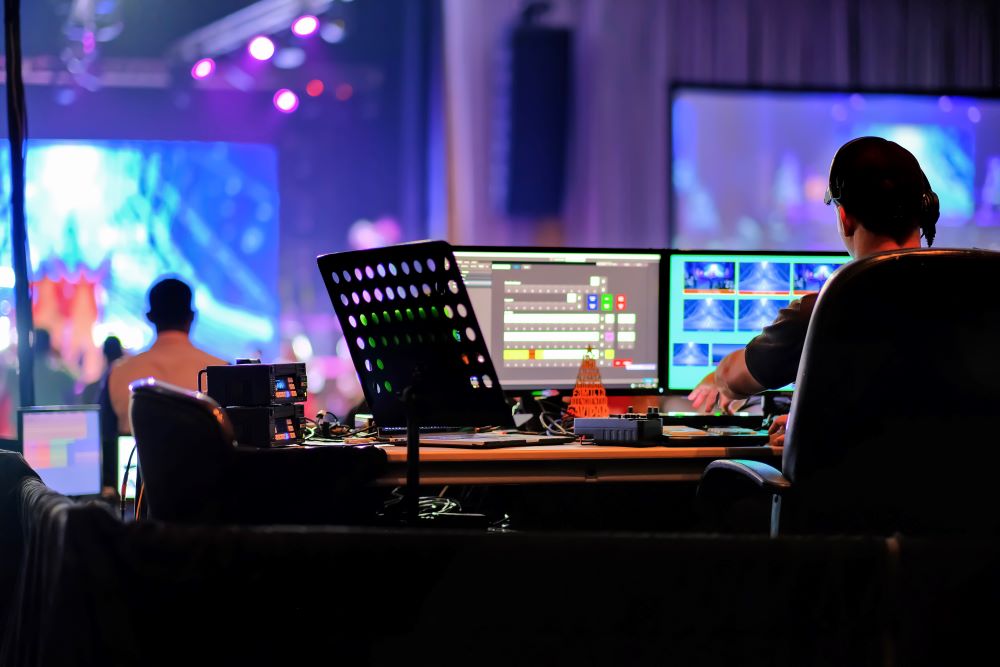
A successful live event may look effortless to its audience, but its delivery usually depends on extensive planning, creative decisions, technical preparation, and coordination between different teams. From the first concept meeting to the final equipment removal, every stage contributes to the overall experience. Professional Event production brings these elements together so that an idea can become a well-organized and engaging occasion.
Events can take many forms, including conferences, product launches, exhibitions, award ceremonies, concerts, and private celebrations. Although their objectives differ, they share several common requirements: a clear plan, suitable equipment, a capable team, and a schedule that allows everything to happen at the right time.
Turning an Idea into an Event Concept
Every event begins with a purpose. A company may want to introduce a new product, recognize employee achievements, share information with industry professionals, or strengthen relationships with clients. Understanding this purpose helps shape the event concept.
The planning team needs to identify the audience, desired atmosphere, venue requirements, programme format, and available budget. These decisions influence everything from stage design to seating arrangements and entertainment.
A product launch, for example, may focus on visual storytelling and a carefully timed reveal. A business conference may prioritize clear presentations, comfortable seating, and reliable sound. An awards evening may need a stage arrangement that supports speeches, photography, and the presentation of awards.
Defining the purpose early makes it easier to choose production elements that support the event rather than adding features that do not serve a clear function.
Planning the Venue and Layout
The venue has a direct effect on how an event is organized. Room dimensions, ceiling height, access points, electrical capacity, acoustics, and audience movement all influence the production plan.
A venue inspection can help identify technical limitations before equipment is selected. The team can assess where the stage should be positioned, how attendees will enter and exit, and where screens, speakers, lighting fixtures, and cameras can be placed.
Audience visibility is particularly important. Screens should be visible from the seating area, and stage structures should not obstruct sightlines. Walkways must remain accessible, while backstage areas should provide enough room for performers, presenters, and technical staff.
Outdoor events require additional planning for weather, power distribution, equipment protection, and changing environmental conditions. Preparing for these factors early can help reduce last-minute changes.
Designing the Stage and Visual Environment
Stage design gives an event a recognizable visual identity. It can reflect the event’s theme, company branding, or the atmosphere the organizers want to create.
The design may include a stage platform, branded backdrop, LED screens, decorative structures, and suitable lighting. The layout should also consider the practical needs of speakers and performers, including steps, furniture, presentation equipment, and movement between programme segments.
Digital content is another important element. Opening videos, presentation slides, animated graphics, and sponsor visuals can be incorporated into the event schedule. These materials should be prepared in suitable formats and tested on the equipment that will display them.
A well-designed stage balances visual impact with function. It should look appropriate for the occasion while providing a safe and practical environment for everyone who uses it.
Coordinating Sound, Lighting, and Screens
Technical production involves more than bringing equipment to a venue. Sound, lighting, and visual systems must work together according to the programme.
Audio equipment should be selected based on the room, audience size, and type of performance or presentation. Microphones need to be tested, speaker positions should provide suitable coverage, and sound levels should remain clear throughout the event.
Lighting can create different moods and draw attention to important moments. It may be used to illuminate presenters, highlight stage features, or support transitions between speeches and entertainment.
LED screens and projection systems provide a way to display content to the audience. The choice depends on factors such as venue brightness, viewing distance, screen dimensions, and the nature of the material being shown.
When these systems are planned together, the event feels more coordinated and the technical team can manage changes with greater confidence.
Managing the Event Schedule
A detailed running order helps everyone understand how the event should progress. It normally identifies the sequence of presentations, performances, breaks, videos, speaker appearances, and other activities.
Each section may require specific technical cues. For instance, a speaker’s entrance may involve a microphone being activated, a presentation appearing on screen, and lighting being adjusted. A product reveal may require several elements to happen within a short period.
The production team should confirm these cues with the event organizer and stage manager. Speakers and performers also need to understand when they should be ready and where they should wait.
A realistic schedule should include time for transitions and unexpected delays. When the team knows the order of events and their responsibilities, it becomes easier to maintain the programme without rushing every segment.
Communication Between Production Teams
Live events often involve organizers, venue staff, technicians, suppliers, presenters, caterers, security personnel, and performers. Without clear communication, even small misunderstandings can affect the schedule.
Before the event, responsibilities should be assigned and important information shared with the relevant teams. This may include setup times, access arrangements, equipment requirements, rehearsal schedules, and emergency procedures.
During the event, communication systems can help the production team coordinate cues and respond to changes. A stage manager may communicate with presenters and backstage staff, while technical operators manage their individual systems.
A clear chain of communication reduces confusion and helps people make decisions quickly when adjustments are required.
Preparing for Unexpected Problems
Even a carefully planned event can face unexpected challenges. A presentation file may fail to open, a speaker may arrive late, or a technical component may require attention.
Contingency planning helps the team respond without disrupting the entire programme. Useful preparations may include backup presentation files, spare microphones, alternative playback equipment, and clear procedures for schedule changes.
Technical checks should take place before attendees enter the venue whenever possible. Rehearsals allow the team to test important equipment and identify issues while there is still time to address them.
Safety is also essential. Stage structures, cables, electrical equipment, and access routes must be managed appropriately. The production plan should account for venue requirements and the needs of attendees, staff, and performers.
Capturing the Event for Future Use
Event production does not always end when the audience leaves. Photography, video coverage, and recorded presentations can help organizations document the occasion and reuse content afterward.
A corporate conference may produce recordings for employees who could not attend. A product launch may provide footage for marketing campaigns, while an awards ceremony may generate highlight videos for internal communications.
Camera positions and lighting should be planned before the event if recording is required. This helps avoid blocked views and supports better footage quality. Organizers should also confirm permissions and any restrictions on recording or distributing content.
Post-event editing can turn the captured material into short highlights, full session recordings, or social media clips.
Reviewing the Results
After the event, the team can review what worked well and what could be improved. Feedback from attendees, speakers, organizers, and technical staff can help identify useful changes for future occasions.
The review may consider audience engagement, schedule management, technical performance, venue layout, and the quality of event content. Comparing the original objectives with the final results can also help determine whether the event achieved its intended purpose.
Documenting these observations creates a useful reference for future planning and helps teams refine their processes over time.
Conclusion
Creating a memorable live event requires a combination of creative thinking, practical planning, technical expertise, and communication. Each stage, from defining the concept to managing the live schedule and reviewing the results, contributes to the audience’s experience.
Professional helps coordinate these responsibilities and ensures that the stage, sound, lighting, screens, and programme work toward a shared goal. With suitable preparation and a clear production plan, organizations can deliver events that communicate effectively and leave attendees with a meaningful impression.