Understanding plumbing expenses is an important part of planning any residential or commercial construction project. While many people use square footage as a quick way to estimate expenses, actual plumbing costs depend on several factors beyond the size of a property. The plumbing cost per square foot can vary significantly based on the building layout, plumbing system, materials, labor, fixtures, location, and project complexity. Knowing these factors can help property owners, contractors, and builders prepare a more realistic budget.
1. Size and Layout of the Building
The overall size of a building is one of the first factors considered when calculating plumbing expenses. Larger properties generally require more pipes, connections, fixtures, and labor. However, two buildings with the same square footage may have completely different plumbing costs because of their layouts.
A compact floor plan with bathrooms, kitchens, and utility areas positioned close together may require less piping. In contrast, a building with widely separated plumbing fixtures can require longer pipe runs and additional connections. Therefore, square footage provides a starting point, but the actual floor plan must also be reviewed.
2. Number of Plumbing Fixtures
The number and type of fixtures installed can have a major effect on plumbing services cost. Toilets, sinks, bathtubs, showers, dishwashers, washing machines, water heaters, outdoor faucets, and other fixtures all require water supply and drainage connections.
A small home with several bathrooms may have higher plumbing expenses than a larger property with fewer fixtures. Commercial buildings can require even more extensive plumbing because of multiple restrooms, kitchens, utility rooms, and specialized equipment.
3. Choice of Plumbing Materials
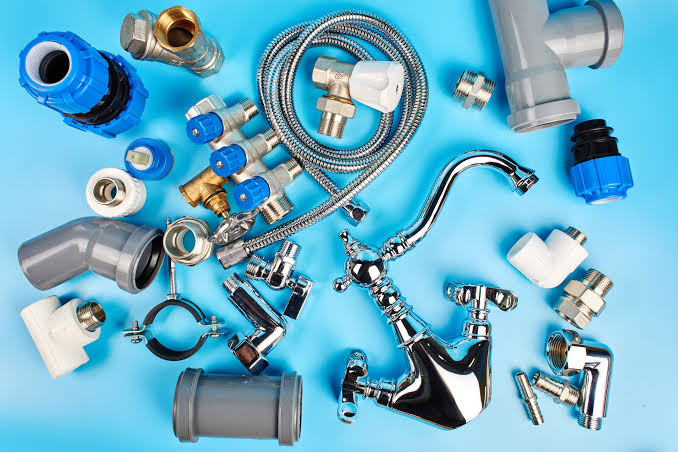
Material selection is another important factor affecting plumbing costs. Common materials include PEX, CPVC, copper, PVC, and other specialized piping products. Each material has different purchase prices, installation requirements, durability characteristics, and applications.
For example, copper piping can have a higher material cost than some plastic alternatives, while certain projects may require specialized pipes because of local building requirements or system specifications. The cost should therefore include both the material itself and the labor required to install it correctly.
4. Labor Rates and Installation Complexity
Labor can represent a substantial portion of a plumbing budget. Local wage rates, contractor experience, project scheduling, and installation difficulty can all influence the final price.
A straightforward new construction project may be easier to complete than a renovation involving existing walls, floors, or ceilings. Difficult access can increase installation time because workers may need to remove and restore building materials to reach plumbing lines.
The more complicated the installation, the greater the potential impact on plumbing cost per square foot.
5. Building Type and Project Use
Residential, commercial, industrial, and multi-unit properties have different plumbing requirements. A single-family home generally has a simpler system than a restaurant, apartment building, hotel, hospital, or commercial facility.
Commercial projects may require larger supply lines, more drainage capacity, grease-management systems, specialized fixtures, backflow prevention, and additional equipment. These requirements can significantly increase the total plumbing budget compared with a basic residential project.
Read More : How to Calculate Plumbing Costs: Complete Estimation Guide
6. Local Building Codes and Permits
Plumbing work must comply with applicable building and plumbing codes. Requirements can vary according to the project location and building type. Permits, inspections, approved materials, backflow protection, water efficiency requirements, and other regulations can add to the overall project cost.
A reliable estimate should account for applicable permit fees and compliance-related requirements rather than calculating costs solely from square footage.
7. Site Conditions
Existing site conditions can also influence plumbing expenses. New construction on a prepared site may be relatively straightforward, while challenging soil conditions, rocky ground, difficult access, or unusual site elevations can increase installation requirements.
For renovation projects, the condition and location of existing plumbing lines are especially important. Unexpected damage, outdated pipes, or inaccessible connections can create additional work and increase costs.
8. Fixture Quality and Finishes
Plumbing fixtures are available at a wide range of price points. Standard toilets, faucets, sinks, showers, and tubs may fit a basic construction budget, while premium or customized fixtures can substantially increase expenses.
Luxury bathrooms may include multiple shower heads, freestanding tubs, high-end faucets, smart fixtures, and specialty finishes. These upgrades can raise the total plumbing budget even when the property’s square footage remains unchanged.
9. Water Heater and Specialized Systems
Water heating requirements should also be considered when developing a plumbing estimate. Traditional tank water heaters, tankless systems, commercial water heaters, and multiple-unit systems can have different equipment and installation costs.
Projects may also require specialized systems such as water filtration, sump pumps, sewage ejectors, irrigation connections, or fire-protection-related plumbing. These additions can increase costs beyond a basic square-foot calculation.
10. Using a Plumbing Cost Estimator
A plumbing cost estimator can make the budgeting process more organized by considering quantities, fixture counts, material choices, labor, and other project-specific details. Instead of relying only on a broad square-foot allowance, estimators can develop a more detailed cost breakdown based on the actual scope of work.
For contractors and construction professionals, detailed estimating can help identify potential cost differences before construction begins. It can also make it easier to compare material options, calculate labor requirements, and prepare more transparent project budgets.
Conclusion
The plumbing cost per square foot is influenced by much more than the total size of a property. Building layout, fixture quantity, piping materials, labor rates, project type, local regulations, site conditions, fixture quality, and specialized systems can all affect the final budget.
Using a detailed plumbing cost estimator can provide a clearer picture of expected expenses and reduce reliance on generalized square-foot figures. For accurate project planning, it is important to evaluate the complete plumbing scope, quantities, specifications, and local conditions.
ConstructionEstimateHelp helps construction professionals and property owners approach estimating with greater detail and organization. A well-prepared estimate can support better budgeting, planning, and decision-making throughout the construction process.
#PlumbingCostPerSquareFoot #PlumbingServicesCost #PlumbingCostEstimator #PlumbingEstimate #ConstructionEstimating #PlumbingCosts #ConstructionEstimateHelp #ConstructionBudget #CostEstimation #PlumbingServices
Email id – constructionestimatehelp.au@gmail.com
Address -Melbourne VIC 3029, Australia
Explore Our Services:
www.bookmyessay.com | www.bookmyessay.com.au | www.bookmyessay.co.uk www.myassignmenthelp.co.in | www.paperub.com | www.constructionestimatehelp.com | www.stridexclothing.com