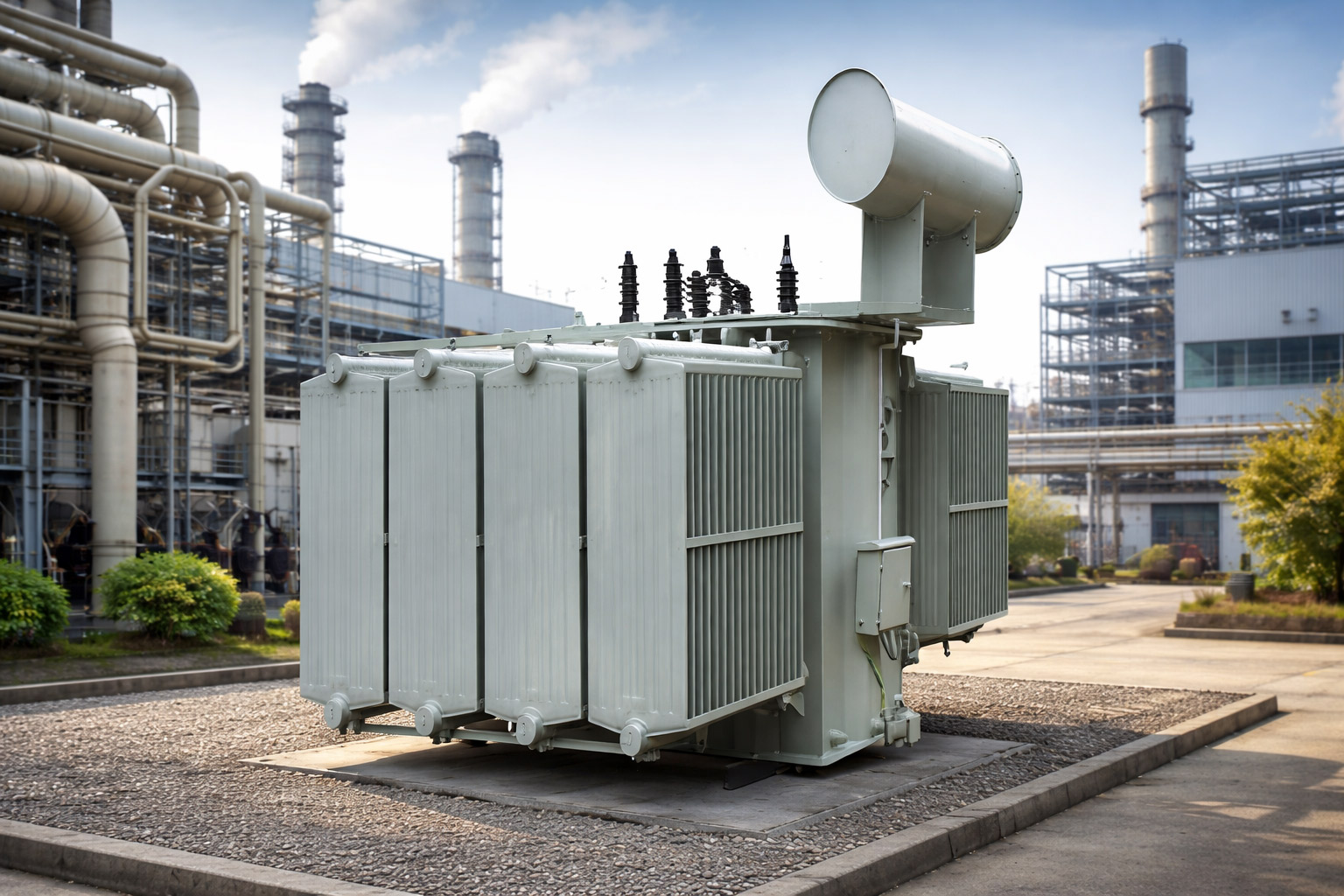
Transformers play an essential role in delivering electricity safely and efficiently to homes, commercial buildings, industrial facilities, and infrastructure projects. They regulate voltage levels to support the reliable distribution of electrical power. However, like all electrical equipment, transformers can develop faults due to ageing, insulation deterioration, excessive loading, moisture, overheating, or electrical failures.
When a transformer develops a problem, timely inspection and appropriate repairs can help prevent prolonged power interruptions, equipment damage, and unnecessary replacement costs. For businesses and industries in Guwahati, understanding common transformer faults and available repair methods makes it easier to maintain reliable electrical systems.
Choosing professional transformer repair services in Guwahati is important because transformer faults require specialised testing equipment, technical knowledge, and strict electrical safety procedures. Companies such as Prabha Power are relevant to this maintenance sector, where the priority is identifying the source of a fault and determining the most suitable repair approach for the equipment.
Understanding Why Transformers Need Repairs
A transformer transfers electrical energy between circuits through electromagnetic induction. It generally consists of a magnetic core, windings, insulation, terminals, and a cooling arrangement. Depending on its design, it may also contain insulating oil, a conservator, bushings, protective devices, and other components.
Over time, electrical, thermal, and environmental stresses can affect these components.
Common reasons for transformer repairs include:
- Overheating: Excessive loading, poor cooling, or internal faults can increase operating temperatures.
- Insulation failure: Ageing, moisture, contamination, and electrical stress can weaken insulation.
- Oil deterioration: In oil-filled transformers, contaminated or degraded oil may reduce insulation and cooling performance.
- Winding damage: Electrical faults, short circuits, and mechanical stress can damage transformer windings.
- Bushing problems: Cracks, contamination, or deteriorated insulation can create electrical risks.
- Loose connections: Poor electrical connections can cause localised heating and increased resistance.
- Moisture ingress: Water entering the transformer can compromise insulation and accelerate deterioration.
Identifying the actual cause is essential. Repairing a visible symptom without addressing the underlying problem may lead to repeated failures.
Common Transformer Repair Methods
The correct repair method depends on the transformer type, fault severity, operating history, and results of diagnostic testing. Some problems can be resolved through routine maintenance, while others require component replacement or major workshop repairs.
1. Transformer Inspection and Fault Diagnosis
The first step in any effective repair process is a detailed inspection. Technicians assess the equipment’s external condition, operating history, protection records, and reported symptoms.
The inspection may include checking for:
- Oil leaks and abnormal oil levels
- Unusual noise, vibration, or burning smells
- Discoloured or damaged terminals
- Signs of overheating
- Cracked bushings or damaged external components
- Problems with cooling fans, pumps, or radiators
Electrical tests may also be necessary to identify internal faults that cannot be confirmed through visual inspection alone.
Depending on the transformer and the suspected problem, diagnostic procedures can include insulation resistance testing, winding resistance measurement, turns-ratio testing, and power-factor or dissipation-factor testing. Oil-filled units may require oil quality analysis and dissolved gas analysis.
These tests help establish whether the problem involves insulation, windings, connections, or another component.
2. Transformer Oil Filtration and Treatment
Transformer oil provides electrical insulation and helps remove heat from oil-filled transformers. Over time, moisture, suspended particles, and oxidation products can affect its performance.
Oil filtration and treatment may be appropriate when testing identifies contamination or excessive moisture that can be addressed through the selected process.
Common procedures include:
- Removing suspended impurities through filtration
- Reducing moisture using suitable dehydration equipment
- Degassing oil where dissolved gases require removal
- Testing oil quality before and after treatment
However, oil treatment is not a universal solution. If the oil has deteriorated significantly or the transformer has an internal electrical fault, additional corrective work may be necessary.
Oil should be evaluated against applicable technical requirements before deciding whether it can be reused or needs replacement. Used oil must also be handled and disposed of in accordance with applicable environmental requirements.
3. Transformer Winding Repair or Rewinding
Windings are among the most important internal components of a transformer. Damage caused by short circuits, excessive heat, insulation breakdown, or mechanical forces can affect electrical performance and reliability.
Minor winding-related issues may sometimes be addressed through approved repairs, depending on the design and fault location. More extensive damage may require partial or complete rewinding.
A typical rewinding process involves:
- Isolating the transformer and confirming that it is safe to work on.
- Dismantling the relevant components under controlled conditions.
- Inspecting the core, windings, insulation, and connections.
- Replacing or reconstructing damaged winding sections as technically appropriate.
- Restoring insulation systems and reassembling the transformer.
- Performing electrical tests and other required checks before commissioning.
Rewinding is a specialised task. It requires suitable materials, accurate winding dimensions, appropriate insulation, and adherence to the original electrical design or an approved engineering specification.
The decision to rewind should consider the extent of damage, the transformer’s age, repair costs, and the expected remaining service life.
4. Transformer Bushing Repair and Replacement
Bushings allow electrical conductors to pass safely through an earthed transformer enclosure. Because they operate under electrical and environmental stress, they require regular inspection.
Cracks, contamination, damaged seals, oil leakage, or abnormal electrical test results may indicate that a bushing needs attention.
Depending on the fault, corrective work may involve cleaning, checking connections, replacing seals where appropriate, or installing a replacement bushing.
A cracked or electrically compromised bushing should not simply be treated as a cosmetic issue. Continued operation can increase the risk of insulation failure and serious equipment damage.
Replacement components must be compatible with the transformer’s voltage rating, current requirements, insulation arrangement, and mechanical design.
5. Cooling System Repair
Transformers generate heat during normal operation. Their cooling systems help keep temperatures within acceptable limits.
Oil-filled transformers may use radiators, fans, pumps, or other cooling arrangements. Dry-type transformers typically rely on air circulation, sometimes supported by fans.
Common cooling-related repairs include:
- Cleaning blocked radiators and ventilation passages
- Repairing or replacing faulty cooling fans
- Inspecting pumps and associated electrical controls
- Correcting oil circulation problems
- Repairing leaking radiator connections
A cooling fault should be investigated promptly because sustained overheating can accelerate insulation ageing and shorten equipment life.
Cleaning and repairs should be carried out only after the equipment has been made safe and the applicable maintenance procedures have been followed.
How Guwahati’s Environment Can Affect Transformer Maintenance
Guwahati experiences seasonal rainfall, high humidity during parts of the year, and warm weather. These conditions make environmental protection an important consideration for outdoor electrical equipment.
Moisture can enter inadequately sealed equipment, while dust and surface contamination can affect exposed insulation and ventilation. Heavy rainfall may also expose weaknesses in drainage, cable entry points, protective enclosures, and the surrounding installation.
For this reason, transformer maintenance in Guwahati should account for the installation environment as well as the electrical condition of the equipment.
Useful preventive measures include:
- Inspecting seals, gaskets, and cable entry points for moisture ingress.
- Checking outdoor bushings for contamination and visible damage.
- Maintaining suitable drainage around transformer installations.
- Keeping cooling passages free from dust and obstructions.
- Inspecting earthing connections and protective devices.
- Reviewing maintenance records after significant electrical faults or abnormal operating events.
These measures do not eliminate every risk, but they can help identify developing problems before they become major failures.
When Is Transformer Repair Better Than Replacement?
Repair is often worth considering when the damage is localised, the core and main structure remain serviceable, and suitable replacement components are available. Replacement may be more appropriate when damage is extensive, the equipment is severely deteriorated, or the cost and risk of repair outweigh the benefits.
The decision should be based on a technical assessment rather than the equipment’s age alone.
| Factor | Repair may be suitable when | Replacement may be preferable when |
|---|---|---|
| Damage severity | The fault is limited and repairable | Major internal damage affects multiple components |
| Core and windings | Their condition remains acceptable or restoration is practical | The core or windings are extensively damaged |
| Repair cost | The cost is reasonable compared with replacement | Repair costs approach or exceed the value of replacement |
| Spare parts | Compatible components are available | Critical components are unavailable |
| Future reliability | Testing supports safe continued operation | Reliability remains uncertain after repairs |
The assessment should also consider downtime, installation requirements, energy efficiency, future load demand, warranty conditions, and the expected service life after restoration.
What to Expect from Professional Transformer Repair Services in Guwahati
Selecting a repair provider involves more than comparing prices. Transformers operate at potentially dangerous voltages, and inadequate repairs can create significant safety and operational risks.
When evaluating a service provider, businesses should consider the following factors.
Technical Inspection and Testing
A competent provider should establish the nature of the fault through suitable inspection and testing rather than recommending extensive repairs without sufficient evidence.
Qualified Personnel and Safety Procedures
Transformer work requires trained personnel, appropriate isolation procedures, suitable protective equipment, and compliance with applicable electrical safety requirements.
Clear Repair Recommendations
The provider should explain the identified fault, the proposed repair method, the parts or materials required, and any limitations affecting the expected result.
Post-Repair Testing
After repairs, appropriate electrical and mechanical checks should be completed. The specific tests depend on the work performed and the transformer design.
Where required, these may include winding resistance, insulation resistance, turns ratio, protection checks, and oil testing.
Documentation and Maintenance Advice
A repair report should record the work performed, relevant test results, replaced components, and recommendations for future maintenance. This information helps maintenance teams track equipment condition and plan subsequent inspections.
Businesses considering transformer repair services in Guwahati can discuss these requirements with providers such as Prabha Power to understand the available repair options and the assessment needed for their particular equipment.
How to Reduce Future Transformer Failures
Preventive maintenance helps identify deterioration before it causes an unexpected shutdown. The appropriate maintenance schedule depends on transformer type, loading, operating environment, manufacturer recommendations, and applicable standards.
A practical maintenance programme should include:
- Routine visual inspections: Look for leaks, corrosion, unusual noise, overheating, and visible damage.
- Periodic electrical testing: Use suitable tests to monitor insulation condition and detect developing faults.
- Oil condition monitoring: For oil-filled units, evaluate moisture, dielectric strength, and other relevant oil properties.
- Load monitoring: Investigate recurring overloads, phase imbalance, or unusual temperature increases.
- Protection system checks: Inspect and test relevant protective devices according to the maintenance plan.
- Record keeping: Document inspections, test results, repairs, and recurring issues.
- Corrective action: Address identified defects promptly rather than repeatedly postponing maintenance.
Maintenance intervals should not be identical for every transformer. Critical equipment operating under demanding conditions may require more frequent monitoring than lightly loaded equipment in a controlled environment.
Frequently Asked Questions
1. What are the common signs that a transformer needs repair?
Common warning signs include excessive heating, unusual humming or vibration, oil leakage, damaged bushings, repeated protective trips, and unexpected voltage irregularities. These symptoms can have different causes, so the equipment should be assessed by qualified electrical professionals.
2. How long does transformer repair take?
Repair time depends on the fault, transformer capacity, spare-part availability, testing requirements, and whether workshop work is necessary. Minor maintenance may take considerably less time than winding repairs or a major overhaul. A reliable estimate can be provided after inspection.
3. Can transformer oil filtration solve every transformer problem?
No. Oil filtration or dehydration can address certain oil contamination and moisture issues, but it cannot repair damaged windings, cracked bushings, defective connections, or other mechanical and electrical faults. Oil testing and equipment diagnostics help determine the appropriate solution.
4. Is transformer rewinding better than buying a new transformer?
Not always. Rewinding may be economical when the transformer is otherwise serviceable and the damage can be repaired reliably. Replacement may be more practical when the damage is extensive, essential parts are unavailable, or the equipment no longer meets operational requirements.
5. How often should a transformer be inspected?
Inspection frequency depends on the transformer’s design, operating conditions, criticality, and manufacturer recommendations. Routine visual checks and periodic condition assessments are useful, while oil analysis and electrical testing should follow an appropriate maintenance schedule.
Conclusion
Transformer reliability depends on accurate fault diagnosis, appropriate repair methods, and consistent preventive maintenance. From oil treatment and bushing replacement to cooling system repairs and winding restoration, each intervention should be selected according to the transformer’s condition and tested before the equipment returns to service.
For organisations seeking transformer repair services in Guwahati, prioritising technical expertise, electrical safety, transparent recommendations, and post-repair testing can help reduce downtime and support long-term equipment reliability. Prabha Power can be considered when exploring transformer repair and maintenance requirements, with the final choice guided by the provider’s demonstrated capabilities, the equipment’s specific needs, and the quality of its proposed repair process.