When hearing about “ischemic heart disease,” the first thing that might pop up in your head is the worst scenario possible. However, there’s no need for panic because this diagnosis doesn’t necessarily mean that you are on your way to dying soon; some patients have the diagnosis for years and even decades if the disease is detected and treated at an early stage. This guide will give you information regarding the risk factors that affect your life, what influences your ischemic heart disease prognosis, and how to change your outlook on the future using effective treatment and lifestyle modification.
What Is Ischemic Heart Disease?
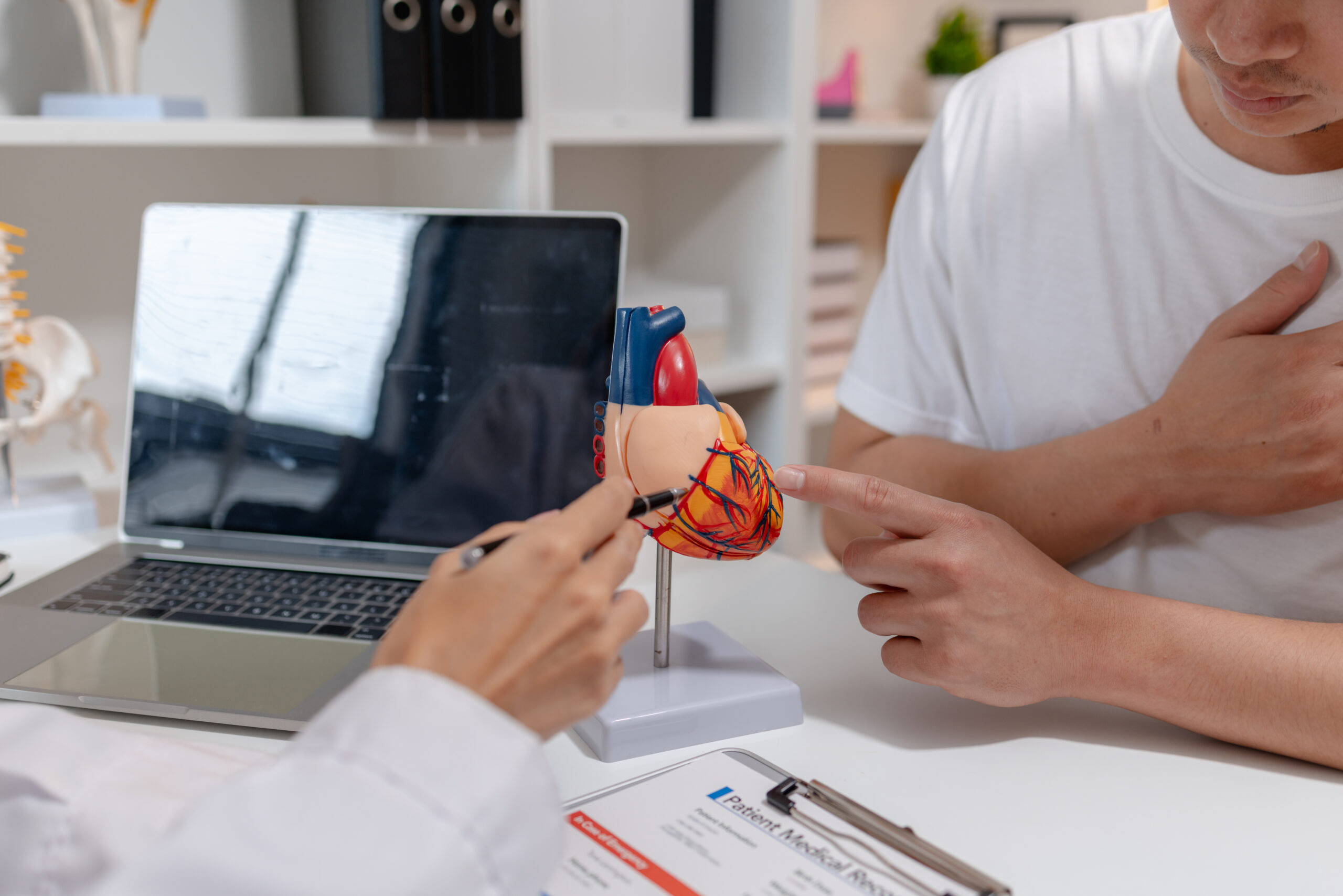
Ischemic heart disease, or coronary artery disease, occurs due to blockages in the arteries that supply blood to the heart muscle caused by fatty substances known as plaque. Less blood means less oxygen, which can cause chest pain (angina) and shortness of breath. and difficulty breathing. Blockage of the arteries results in heart attacks. The condition normally takes many years before it is diagnosed.
Key Risk Factors to Know
Several factors raise the odds of developing the condition:
- High blood pressure and high LDL (“bad”) cholesterol
- Smoking or long-term tobacco use
- Type 2 diabetes or prediabetes
- Excess weight and low physical activity
- A family history of early heart disease
Age and chronic kidney disease also play a role. The encouraging part is that most of these can be treated or changed. A 52-year-old with high blood pressure who quits smoking and takes prescribed medication meaningfully lowers future risk, even if the damage isn’t zero.
What Determines Ischemic Heart Disease Prognosis?
What is the determinant of the prognosis? Mostly, it is the number of arteries affected and the extent of this blockage, how good the pumping action of the heart is, whether there is a history of heart attacks, and also the control of your risk factors.
The pumping power of the heart is usually measured through what is termed “the ejection fraction.” A normally pumping heart with a few blockages would have a more favorable prognosis compared to a heart that is weak and has several narrow arteries. Other factors such as the presence of diabetes or kidney failure also play an important role.
Can Treatment and Lifestyle Improve the Outlook?
Yes, and frequently a lot. They include the following:
- Medication like statins, blood pressure medicines, and anticoagulants, taken precisely as directed
- Implanting stents and bypass surgery in case of serious blockage
- Cardiac rehab, exercise, and the Mediterranean diet
- Giving up smoking, the one major thing for many individuals
Perfection is less important than perseverance. Failure to take medications and attend follow-up appointments is why things get worse often enough.
Where Does a Heart Scan Fit In?
A heart scan, most commonly a CT calcium score, measures calcium in the coronary arteries, which is a marker of plaque. A score of zero generally points to lower short-term risk, while higher scores suggest more plaque and may prompt a doctor to consider preventive measures earlier. However, a calcium score is only one part of assessing cardiovascular risk and does not determine an individual’s ischemic heart disease prognosis on its own.
What about a full-body scan? These scans look at many organs at once, but for people without symptoms, major medical organizations do not broadly recommend them. They can also uncover harmless findings that lead to anxiety and additional testing. For heart concerns, the appropriate imaging approach depends on the clinical question, symptoms, and individual risk factors. Neither a heart scan nor a whole-body scan replaces a medical evaluation, and chest pain requires urgent medical attention. Imaging providers such as Via Scan of Las Colinas are examples of facilities where heart and whole-body imaging may be available.
Conclusion
The outcome of your ischemic heart disease depends on the degree to which your arteries are clogged, your heart’s performance, your health issues, and your control over your risk factors. By no means is it a death sentence. Your treatment, lifestyle modifications, and appropriate imaging will paint a different story.
If you have risk factors, make an appointment and see if getting a heart scan is necessary for you. In case you ever experience chest pain or pressure or breathing difficulty, immediately call emergency services.