Clear vision plays an important role in everyday life, from reading and working to driving and enjoying outdoor activities. People who depend on glasses or contact lenses often explore modern treatment options to improve their eyesight. Laser Eye Surgery in Lahore is an option for eligible patients who want to reduce their dependence on corrective eyewear. Understanding the procedure, preparation requirements, and recovery process can help patients make informed decisions about their vision.
Preparing for Laser Eye Surgery in Lahore involves more than scheduling an appointment. Patients need a comprehensive eye examination, a discussion about their medical history, and clear instructions from a qualified eye surgeon. Although laser vision correction can provide lasting benefits for suitable candidates, it is not appropriate for everyone. Careful preparation helps identify potential risks, establish realistic expectations, and support a smoother treatment experience in 2027.
Understanding Laser Eye Surgery and Vision Correction
Laser eye surgery is a medical procedure that reshapes the cornea, the transparent front surface of the eye, to improve how light focuses on the retina. It is commonly used to correct refractive errors such as nearsightedness, farsightedness, and astigmatism. Depending on the patient’s eye condition, an ophthalmologist may recommend LASIK, PRK, or another suitable vision correction procedure.
Each technique has different requirements, benefits, and recovery expectations. LASIK involves creating a thin flap in the cornea before reshaping the underlying tissue. PRK treats the corneal surface without creating a flap and may require a longer initial recovery period. The most appropriate method depends on factors such as corneal thickness, prescription stability, eye health, and lifestyle.
Patients should understand that laser treatment does not prevent every future vision problem. Age-related changes, including presbyopia, can still affect near vision later in life. A detailed consultation helps explain what surgery can realistically achieve.
Why Preparation Matters Before Laser Eye Surgery
Proper preparation allows the surgeon to assess whether the procedure is suitable and helps patients understand what to expect. An eye examination may identify conditions that require treatment before surgery or make laser correction unsuitable. These assessments are particularly important because the cornea must have adequate thickness and a healthy shape for safe treatment planning.
Preparation also helps patients arrange transportation, time away from work, and assistance during the first stage of recovery. Although some patients return to normal activities relatively quickly after certain procedures, recovery varies according to the technique used and individual healing.
Choosing a reputable eye care facility in Lahore is another important step. Patients should look for appropriate clinical facilities, qualified ophthalmologists, transparent explanations of risks, and a structured follow-up plan rather than making a decision based only on promotional offers.
Schedule a Comprehensive Eye Examination
Assessing Your Eye Health
The first practical step is to book a detailed consultation with an ophthalmologist experienced in refractive surgery. During this visit, the specialist reviews your vision, examines your eyes, and determines whether laser correction may be appropriate.
Testing may include measuring your refractive error, checking corneal thickness, mapping the corneal surface, assessing tear production, and examining the retina when indicated. These investigations help identify concerns such as irregular corneal shape, significant dry eye, or other eye conditions that could affect the treatment decision.
Patients should share information about previous eye procedures, existing medical conditions, allergies, and medicines they take. Accurate medical information helps the surgeon evaluate potential risks and recommend appropriate care.
Confirming Prescription Stability
A stable glasses or contact lens prescription is an important consideration before laser vision correction. Significant changes in prescription may indicate that the eyes have not reached a suitable stage for treatment.
The surgeon will review previous prescriptions and current measurements to determine whether the refractive error is sufficiently stable. Age, eye health, and individual circumstances also influence eligibility. Patients should avoid rushing into surgery simply because they want to stop wearing glasses.
Follow Instructions About Contact Lenses
Contact lens wear can temporarily change the shape of the cornea, potentially affecting the accuracy of measurements used to plan laser surgery. For this reason, patients may be instructed to stop wearing their lenses before the initial examination or procedure.
Follow the specific instructions provided by your eye care professional, and do not assume that stopping lenses for a day or two will be sufficient. In some cases, repeat measurements may be necessary after the cornea has returned to a stable shape.
Discuss Medical History and Current Medications
Before surgery, tell your doctor about all prescription medicines, over-the-counter products, and supplements you use. Certain health conditions and medications can affect healing, tear production, or surgical suitability.
Conditions such as poorly controlled diabetes, autoimmune disorders, and some eye surface problems may require additional assessment. Pregnancy and breastfeeding can also influence refractive stability, so the surgeon may recommend postponing treatment until vision and hormonal changes have settled.
Prepare Your Eyes Before the Procedure
Healthy eyes provide a better starting point for surgical planning. If the examination identifies dry eye, eyelid inflammation, or another treatable condition, the doctor may recommend managing it before proceeding.
Do not use medicated eye drops or home remedies unless the treating professional has confirmed they are appropriate.
Arrange Transportation and Recovery Time
Although laser eye surgery is usually performed as an outpatient procedure, patients should plan how they will travel home. Vision can be blurry immediately after treatment, and temporary discomfort or sensitivity to light may make driving unsafe.
Arrange for a responsible adult to accompany you or collect you from the clinic. Do not plan to drive yourself home after the procedure.
What to Expect on the Day of Laser Eye Surgery
Before Treatment Begins
When you arrive at the clinic, the care team may verify your medical details, review consent, confirm the treatment plan, and perform final checks. The surgeon should explain the procedure, expected benefits, possible complications, and available alternatives before obtaining informed consent.
During the Procedure
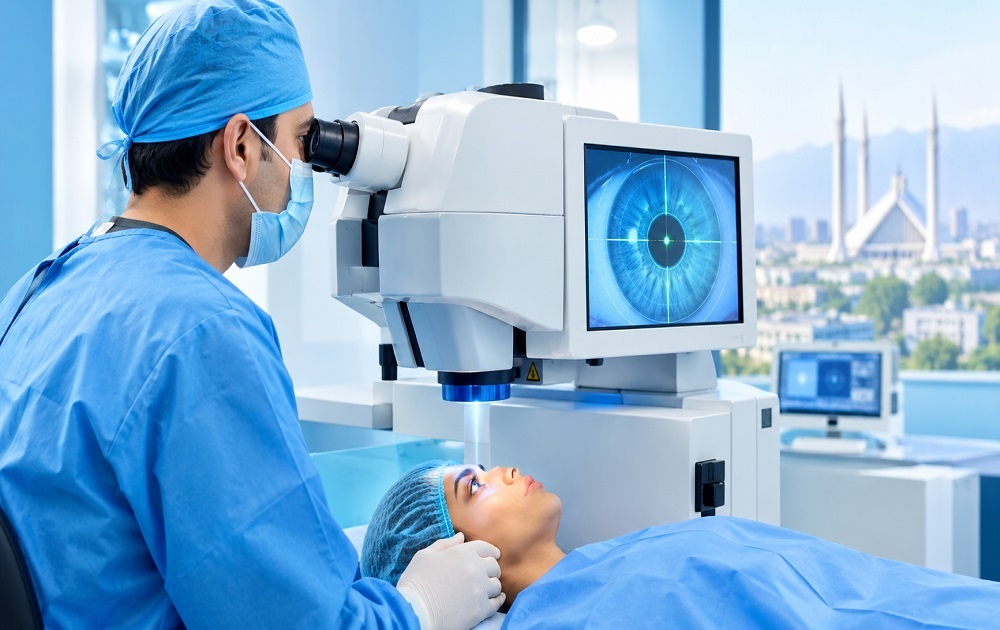
Laser vision correction is generally performed while the patient is awake. The surgeon uses specialised equipment to carry out the planned treatment, and the patient is usually asked to focus on a target light.
Follow Post-Surgery Care Instructions
After treatment, the surgeon provides guidance on medication, eye protection, and follow-up appointments. Prescribed eye drops may help prevent infection, control inflammation, or relieve dryness, depending on the individual treatment plan.
Use every medication exactly as directed. Avoid rubbing or pressing on your eyes, even if they feel itchy or gritty. Your doctor may recommend protective eye shields while sleeping during the early recovery period.
Understanding Recovery and Visual Results
Recovery differs according to the procedure, the patient’s eye condition, and the natural healing process. Some LASIK patients notice improved vision within a short period, while PRK typically involves a slower initial recovery as the surface layer of the cornea heals.
The most suitable treatment depends on individual eye health, prescription stability, corneal measurements, and lifestyle needs. By asking informed questions and following professional guidance before and after surgery, patients can make more confident decisions about their vision. The priority should always be safe, personalised care and realistic expectations rather than rushing toward a procedure.
Frequently Asked Questions
1. Who can have laser eye surgery?
Adults with a sufficiently stable prescription and healthy eyes may qualify. A comprehensive examination is necessary to confirm suitability.
2. How long does laser eye surgery take?
The laser treatment itself is usually brief, but the full appointment takes longer because of preparation and post-procedure checks.
3. Should I stop wearing contact lenses before surgery?
Often, yes. Your ophthalmologist will specify how long to stop wearing them based on the lens type and your eye measurements.
4. Can I drive home after laser eye surgery?
No. Arrange transportation because your vision may be blurry immediately after treatment, making driving unsafe.
5. Does laser eye surgery guarantee perfect vision?
No. Results vary, and some patients may still need glasses or experience age-related vision changes later.