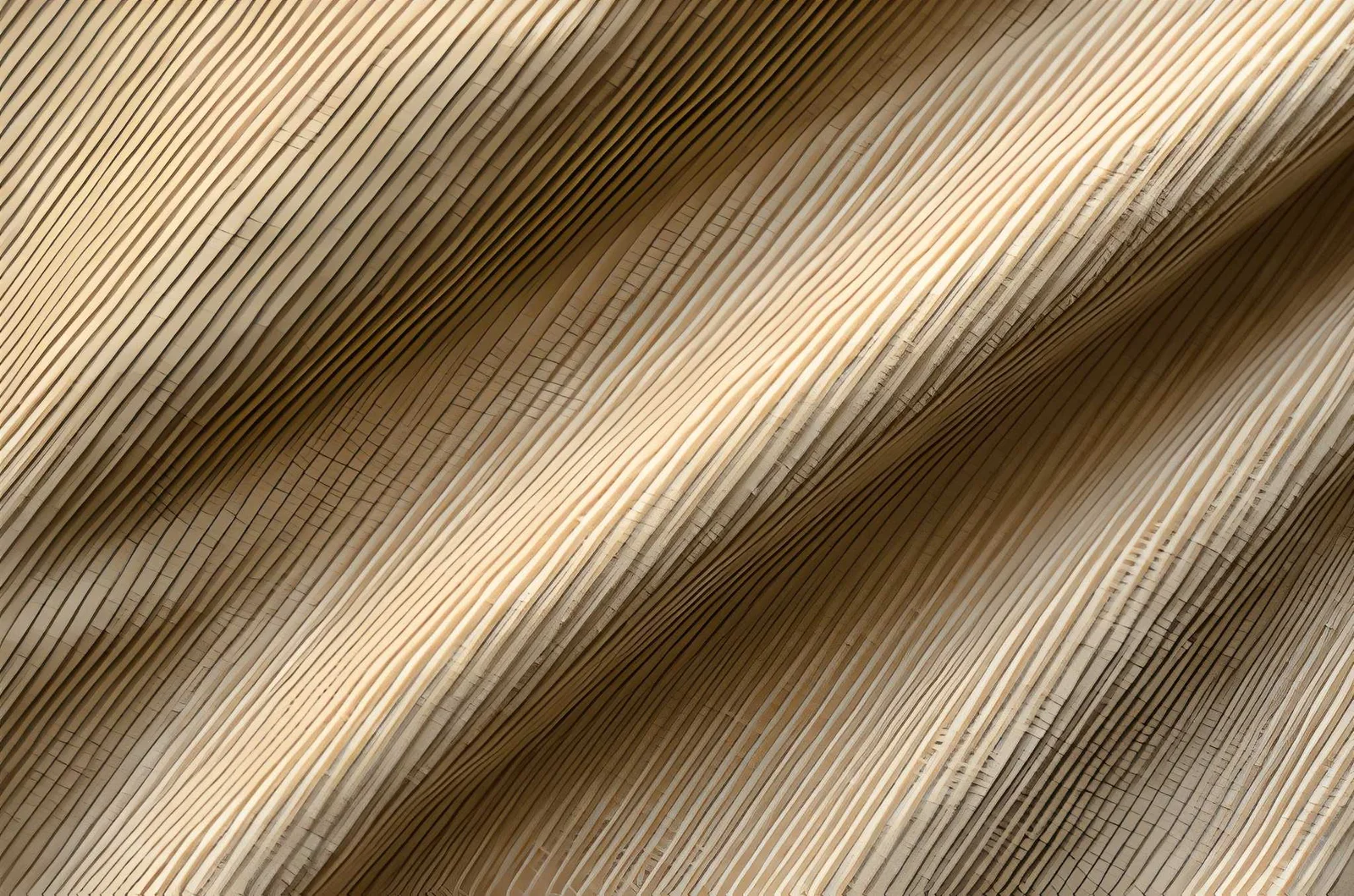
Ribbed textiles can give clothing and home products a distinctive surface while adding visual depth and texture. Although many fabrics feature raised lines or rib-like structures, they do not all provide the same feel, appearance, strength, or styling possibilities. The differences become more noticeable when fabrics are compared for specific garments and production needs.
Corduroy stands out because its raised ribs, known as wales, create a recognisable textured surface. The fabric can range from fine-wale designs with a subtle appearance to wider wales that create a stronger visual effect. For buyers sourcing corduroy fabric in Pakistan, knowing these differences can help them choose the right construction for their specific product needs.
What Makes Corduroy Different From Other Ribbed Fabrics?
Corduroy is generally recognised by its raised vertical wales and soft, slightly plush surface. These characteristics are created through its fabric construction and finishing process, giving it a texture that looks different from many flat or lightly ribbed textiles.
Other ribbed fabrics can have horizontal ribs, narrow ridges, knitted structures, or woven textures. Their appearance may therefore resemble corduroy from a distance while feeling completely different when handled.
Corduroy’s main characteristics include:
- Raised wales create a clearly defined surface that gives garments a distinctive textured appearance.
- Different wale widths allow designers to create either subtle textures or stronger visual patterns.
- The fabric can provide a comfortable hand feel while offering useful durability for everyday clothing.
- Different weights make corduroy suitable for both lighter garments and more substantial seasonal pieces.
How Does Corduroy Compare With Rib Knit Fabrics?
Rib knit fabrics and corduroy can both have noticeable ridges, but their construction and behaviour are quite different.
Rib knit is produced through knitting techniques that create vertical ridges and natural stretch. This makes it useful for garments where flexibility and close-fitting comfort are important. It is widely used for cuffs, neckbands, fitted shirts, dresses, and various other clothing styles.
Corduroy generally has a woven construction with prominent raised wales forming its textured surface. It normally provides more structure than a rib knit and does not have the same natural stretch unless stretch fibres are incorporated.
This makes the two fabrics suitable for different purposes. Rib knit is often selected for flexibility, while corduroy is valued for texture, structure, and its distinctive appearance.
Is Corduroy Similar to Ribbed Velvet?
Corduroy and velvet can both have soft raised surfaces, but their visual effects are different.
Velvet is known for its dense, short pile and smooth, luxurious appearance. Light can reflect across its surface, producing a characteristic change in appearance as the fabric moves. Corduroy, by comparison, has clearly defined wales that run along the fabric.
The difference can influence where each textile is used. Velvet is often associated with decorative clothing, formal garments, upholstery, and accessories, while corduroy has a more casual and practical character.
For everyday apparel, corduroy can provide a balance between texture and durability without creating the same formal appearance associated with velvet.
How Does Wale Width Affect Corduroy’s Appearance?
One of the most useful ways to distinguish different corduroy fabrics is by looking at wale width. A wale is the individual raised ridge that extends along the length of the fabric.
Fine-wale corduroy has narrower ribs and can create a smoother, more refined appearance. Wide-wale corduroy has larger, more visible ribs and produces a stronger textured effect.
Common Wale Variations
- Fine wale: Creates a subtle texture that can work well for shirts, lightweight trousers, skirts, and refined casualwear.
- Medium wale: Offers a balanced texture and can suit trousers, jackets, overshirts, and everyday clothing.
- Wide wale: Creates a bold ribbed appearance that works particularly well for statement jackets, trousers, and seasonal fashion pieces.
- Pinwale: Uses very narrow ribs for a finer surface and a softer visual effect compared with broader wale constructions.
This range gives designers more control over the final appearance of a garment without changing the basic identity of corduroy.
Does Corduroy Offer More Structure Than Ribbed Knits?
In many cases, yes. Woven corduroy generally provides more structure than a knitted rib fabric.
The amount of structure depends on the fabric’s weight, composition, construction, and finishing. A lightweight corduroy can remain relatively soft and flexible, while heavier varieties can provide a stronger shape for jackets, trousers, and outerwear.
Rib knits behave differently because their knitted loops allow greater movement and stretch. This makes them useful where garments need to follow body movement or maintain a flexible fit.
Therefore, the better choice depends on the product rather than one fabric being universally better.
Which Fabric Is Better for Everyday Clothing?
The right fabric depends on the type of garment, season, desired appearance, and performance requirements.
Corduroy is suitable for casual garments when designers want a textured appearance without sacrificing everyday practicality. It is particularly associated with trousers, jackets, overshirts, skirts, and casual seasonal clothing.
Rib knits can be more suitable when stretch and close-fitting comfort are priorities. Other ribbed woven textiles may be selected when designers want surface texture without the specific appearance of corduroy.
When comparing fabrics, brands should consider:
- Texture: Decide whether the product needs visible raised wales, subtle ribs, or a smoother surface.
- Stretch: Consider whether the garment needs natural flexibility during movement.
- Weight: Match the fabric weight with the season, garment structure, and intended level of warmth.
- Drape: Check whether the material should hold its shape or fall more naturally around the body.
- Durability: Consider the expected frequency of wear, washing, and general handling.
- Appearance: Choose a rib structure that complements the intended design and target customer.
How Does Corduroy Perform Across Different Seasons?
Corduroy’s suitability can vary according to its weight and construction. Heavier corduroy is often associated with autumn and winter clothing because its substantial structure can provide warmth and coverage.
Lighter versions can be used for shirts, skirts, lightweight trousers, and transitional clothing. This gives designers more flexibility when developing collections for different weather conditions.
Other ribbed textiles may have different seasonal advantages. Rib knits can be comfortable for layering and fitted garments, while lighter ribbed fabrics may work across warmer conditions depending on fibre composition and construction.
The important factor is to select the fabric according to the complete garment specification rather than relying only on its surface texture.
Why Does Fabric Composition Matter When Comparing Ribbed Textiles?
Two fabrics can look similar but perform differently because of their fibre composition.
Cotton-based corduroy, for example, can provide a soft and familiar natural-fibre feel. Blended constructions may introduce properties such as stretch, improved recovery, or different durability characteristics.
Rib knits may also use cotton, polyester, viscose, elastane, or blended fibres. Their final performance depends on both the fibres and the knitting structure.
Brands should therefore look beyond appearance when comparing materials. Fibre content, fabric weight, construction, finishing, and intended use all contribute to the final performance.
Can Corduroy Be Used Beyond Traditional Clothing?
Although corduroy is strongly associated with fashion, its textured surface can also make it suitable for selected accessories and textile products.
Depending on the weight and construction, it may be considered for:
- Bags and pouches where a textured surface can add visual interest to the finished product.
- Caps and hats that benefit from corduroy’s distinctive surface and structured appearance.
- Cushion covers and decorative textile products where raised texture can add depth.
- Upholstery applications where a suitable heavy construction is selected for the required use.
- Children’s products where the fabric specification meets the necessary comfort and durability requirements.
The suitability of corduroy for these applications depends on the specific construction and performance requirements.
What Should Buyers Look for From a Fabric Supplier?
Choosing between corduroy and other ribbed textiles is easier when buyers have access to clear technical information and suitable samples. A reliable fabric supplier in Pakistan can help buyers compare available materials based on construction, composition, weight, width, colour, and intended application.
Before placing an order, buyers should consider:
- Requesting samples to compare texture, weight, colour, and surface appearance before production.
- Confirming fabric composition and construction to ensure the material suits the intended product.
- Checking available widths and weights when planning cutting patterns and production quantities.
- Discussing minimum order quantities and lead times before finalising the manufacturing schedule.
- Confirming whether the same specification can be supplied again for future production runs.
Good sourcing decisions are not based only on the lowest price. Fabric consistency, availability, technical suitability, and communication can all affect production outcomes.
How Can Brands Choose Between Corduroy and Other Ribbed Textiles?
The simplest approach is to begin with the requirements of the final product.
If a brand wants a clearly textured woven fabric with recognisable raised wales, corduroy can be a strong candidate. If flexibility and body-hugging comfort are more important, rib knit may be more suitable. If the design calls for a soft, dense pile with a more formal appearance, velvet may be considered.
A practical comparison can look like this:
| Fabric | Main Surface Feature | Stretch | Common Uses |
|---|---|---|---|
| Corduroy | Raised vertical wales | Low to moderate depending on construction | Trousers, jackets, shirts, skirts |
| Rib Knit | Knitted vertical ridges | Usually high | Cuffs, tops, fitted garments |
| Velvet | Dense soft pile | Depends on construction | Formalwear, upholstery, accessories |
| Ribbed Woven Fabric | Woven raised lines | Usually limited | Apparel and structured textile products |
This comparison shows why surface texture alone is not enough to select a fabric. Construction and intended use should always be considered together.
FAQs
Is corduroy a ribbed fabric?
Corduroy has raised ribs called wales, which create its distinctive ribbed appearance. However, its woven construction differs from knitted rib fabrics.
Is corduroy more durable than rib knit?
Corduroy can provide good durability, particularly in suitable medium and heavier weights. Rib knit is generally selected more for flexibility and comfort than structured durability.
Which corduroy wale is best for trousers?
Medium or wider wales can work well for trousers, but the best option depends on the desired appearance, garment weight, season, and overall design.
Can corduroy contain stretch?
Yes. Some corduroy fabrics include elastane or other stretch fibres, giving the material greater flexibility than traditional non-stretch constructions.
Is corduroy suitable for summer clothing?
Lightweight corduroy can be used for some warmer-season or transitional garments. The fabric’s weight, fibre composition, and garment design should be considered before selection.
Conclusion
Corduroy shares its textured appearance with several ribbed textiles, but its woven construction, raised wales, range of weights, and distinctive visual character give it a different position in textile design. Rib knits focus more on stretch and flexibility, while velvet offers a dense pile and more formal surface effect.
For brands and manufacturers, the best fabric depends on the intended garment, required comfort, structure, durability, season, and appearance. Comparing these factors before sourcing can help buyers select a textile that supports both the design concept and production requirements.