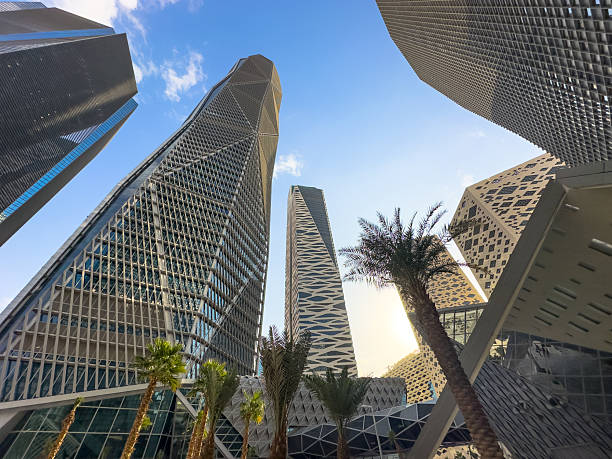
Capital allocation priorities across Saudi industries are evolving as the Kingdom advances Vision 2030, expands private sector participation, develops new economic sectors, and strengthens its position as a regional investment destination. Investors, family offices, institutional funds, and corporate leaders must determine where financial resources can generate sustainable returns while managing economic uncertainty. Effective portfolio diversification KSA strategies help investors distribute capital across industries such as energy, tourism, real estate, healthcare, manufacturing, logistics, and technology. Rather than concentrating investments in sectors with strong recent performance, decision makers increasingly need to assess long term demand, operating costs, regulatory developments, liquidity, and risk adjusted returns before committing capital.
Saudi Arabia’s investment landscape presents opportunities alongside important allocation challenges. Insights Advisory consultancy can help businesses and investors evaluate sector fundamentals, compare investment alternatives, and connect capital decisions with measurable financial objectives. The Kingdom’s economic transformation involves substantial public investment, private sector expansion, infrastructure development, and efforts to attract domestic and international capital. These developments create opportunities for businesses that understand how spending priorities, consumer demand, industrial capacity, and regulatory requirements influence profitability. A disciplined allocation strategy allows investors to identify attractive sectors without overlooking valuation risks, execution challenges, and the importance of maintaining sufficient liquidity.
Understanding Saudi Arabia’s Changing Investment Environment
Saudi Arabia’s economic strategy aims to reduce dependence on oil revenues while developing productive non oil industries. Hydrocarbons remain central to government revenue, exports, and industrial activity, but investment opportunities increasingly extend to tourism, renewable energy, digital infrastructure, logistics, healthcare, education, and advanced manufacturing.
The national investment environment is influenced by several connected factors:
- Government expenditure on infrastructure, transport, housing, and public services.
- Private sector participation in projects supporting economic diversification.
- Foreign direct investment and international partnerships.
- Domestic consumption, population growth, and changing customer expectations.
- Regulatory reforms affecting ownership, taxation, corporate governance, and market access.
- Access to financing through banks, capital markets, sukuk, and private investment funds.
Investors should evaluate these factors collectively instead of interpreting government announcements as evidence that every project within a sector will produce attractive returns. A major infrastructure program may create opportunities for contractors, equipment suppliers, technology providers, and logistics companies, but each business will experience different costs, competitive pressures, and cash flow requirements.
Saudi Arabia’s 2026 budget provides an important reference point for understanding the public financial environment. Budget estimates place government expenditure at approximately SAR 1.313 trillion, against projected revenue of SAR 1.147 trillion, producing an estimated deficit of around SAR 165 billion. These figures illustrate the scale of public spending and the importance of financing discipline. They also reinforce the need to distinguish between government spending priorities and the commercial viability of individual investments.
Energy and Industrial Transformation
Oil and Gas Remain Important Capital Allocation Priorities
Oil and gas continue to influence Saudi Arabia’s industrial structure, fiscal position, export earnings, and energy security. Capital allocation within the sector increasingly involves balancing established hydrocarbon operations with efficiency improvements, downstream processing, petrochemicals, and lower carbon technologies.
Investors considering energy related opportunities should examine production economics, contract structures, commodity price sensitivity, customer concentration, and long term capital expenditure requirements. Businesses supplying equipment, maintenance, engineering, automation, and industrial services may offer different risk and return characteristics from direct commodity exposure.
Oil price fluctuations can affect government revenue, contractor payments, project schedules, and corporate earnings. Consequently, investors should test whether a proposed investment remains viable under lower energy prices, higher financing costs, or delayed project completion.
Renewable Energy Creates New Investment Opportunities
Renewable energy is another significant area for capital deployment. Saudi Arabia’s solar and wind resources, electricity demand, industrial development, and energy transition objectives support opportunities in generation, storage, transmission, equipment supply, and supporting services.
The Kingdom has been developing a substantial renewable energy pipeline, with reported installed capacity reaching approximately 19.3 GW by September 2026 and a development pipeline of around 63.8 GW. These figures indicate the scale of planned activity, although a pipeline should not be interpreted as fully operational capacity or guaranteed investment revenue.
Potential investment opportunities include:
- Solar and wind project development.
- Battery storage and grid management.
- Electrical equipment and component manufacturing.
- Renewable energy maintenance and technical services.
- Energy efficiency solutions for commercial and industrial facilities.
- Digital monitoring systems that improve generation reliability.
Capital allocation decisions should account for power purchase agreements, project financing, equipment costs, grid connection requirements, and contractual payment terms. Investors must also distinguish between early stage development projects and assets that already generate operating cash flow.
Petrochemicals and Downstream Manufacturing
Petrochemicals provide an important connection between the energy sector and industrial diversification. Saudi producers can create value through processing, specialty chemicals, plastics, and materials used in construction, packaging, healthcare, and manufacturing.
However, commodity chemicals can be exposed to global oversupply, fluctuating feedstock prices, and changing international demand. Specialty products may offer stronger margins, but they often require technical expertise, customer qualification, and sustained investment in research and production quality.
Investors should prioritize businesses with competitive production costs, reliable customer contracts, and the ability to serve multiple markets. Expanding capacity without sufficiently assessing demand can reduce returns even when the broader industry remains strategically important.
Tourism, Hospitality, and Entertainment
Capital Allocation Driven by Visitor Growth
Tourism is a central component of Saudi Arabia’s economic diversification strategy. Investment opportunities extend across hotels, resorts, restaurants, entertainment venues, travel services, cultural attractions, event management, and supporting transport infrastructure.
The sector benefits from initiatives designed to expand religious tourism, domestic leisure, international visitation, and business travel. Major destinations and development programs can create demand for accommodation, retail, mobility, food services, and visitor experiences.
Nevertheless, capital allocation requires careful assessment of local market conditions. A hotel near a major attraction may achieve different occupancy and pricing levels from a property serving business travelers or seasonal visitors. Investors must evaluate the supply of competing accommodation, average daily room rates, operating costs, staffing requirements, and the length of the demand season.
Evaluating Tourism Investment Returns
Tourism projects frequently require substantial upfront capital and can take several years to reach stable operations. Land acquisition, construction, fit out, licensing, recruitment, marketing, and working capital can increase the amount of financing needed before positive cash flow begins.
Investors should consider the following indicators:
- Expected occupancy and average daily rates.
- Revenue per available room and seasonal demand patterns.
- Construction costs and the expected opening date.
- Operating margins and energy consumption.
- Customer acquisition expenses and distribution fees.
- Debt servicing capacity during the initial operating period.
- Alternative uses of the property if visitor demand falls short of expectations.
A phased investment approach can reduce exposure to uncertain demand. Instead of committing all capital at the beginning, developers may release funding against construction milestones, occupancy targets, licensing approvals, and operating performance.
Entertainment investments require a similar approach. Large venues may attract significant audiences, but profitability depends on ticket pricing, event frequency, sponsorship revenue, operating costs, and repeat visitation. Investors should assess sustainable demand rather than relying exclusively on the visibility of major events.
Real Estate and Infrastructure Investment
Assessing Residential and Commercial Property
Real estate remains an important destination for Saudi capital because it can generate rental income, support long term asset appreciation, and provide exposure to urban development. However, property markets differ considerably by location, property type, tenant profile, and financing structure.
Riyadh benefits from government activity, corporate expansion, employment opportunities, and population growth. Jeddah offers exposure to logistics, tourism, commercial activity, and residential development. Industrial cities and emerging regional centers may provide opportunities in warehouses, worker accommodation, logistics facilities, and specialized commercial property.
The Saudi real estate price index recorded a 1.3% year on year increase in the second quarter of 2026, according to the reported national figures. Residential prices increased by 2.6%, while commercial property prices declined by 3.2%. These differences demonstrate why investors should assess individual property segments rather than assuming that the entire market is moving in the same direction.
Capital allocation in property should account for:
- Purchase price relative to expected rental income.
- Vacancy rates and tenant credit quality.
- Maintenance, insurance, and property management costs.
- Financing costs and debt repayment schedules.
- Applicable transaction taxes and regulatory requirements.
- Exit liquidity and the time required to sell an asset.
Saudi Arabia’s Real Estate Transaction Tax is generally 5% of the transaction value, subject to applicable rules and exemptions. Investors should include transaction costs and relevant ownership requirements in acquisition budgets rather than evaluating a property using its purchase price alone.
Infrastructure and Logistics
Transport networks, industrial zones, ports, warehouses, utilities, and digital infrastructure support economic activity across Saudi Arabia. Investments in these areas can benefit from rising trade volumes, industrial expansion, e commerce, and demand for more efficient supply chains.
Logistics facilities can offer recurring contractual revenue when supported by reliable tenants and suitable locations. However, warehouse development requires careful consideration of land costs, road access, electricity availability, construction standards, and proximity to customers.
Infrastructure projects also involve risks related to payment schedules, contract variations, construction delays, and dependence on a limited number of clients. Investors should evaluate working capital needs and the timing of cash receipts, especially when contractors must pay suppliers and employees before receiving project payments.
For institutional investors, infrastructure assets may provide long term income and exposure to economic development. For smaller investors, indirect exposure through professionally managed funds or listed companies may be more practical than owning and operating individual assets.
Healthcare and Education
Healthcare as a Defensive Investment Sector
Healthcare is an important capital allocation priority because demand for medical services is supported by population needs, preventive care, chronic disease management, insurance coverage, and improvements in healthcare infrastructure.
Potential opportunities include hospitals, diagnostic laboratories, outpatient clinics, pharmaceutical distribution, medical equipment, digital health platforms, and specialized treatment facilities. Healthcare technology can also improve appointment management, patient monitoring, clinical administration, and resource utilization.
Although healthcare demand may remain relatively resilient during economic uncertainty, the sector is not automatically low risk. Hospitals and clinics face substantial staffing costs, licensing requirements, equipment expenses, reimbursement delays, and strict quality standards.
Investors should examine patient volumes, revenue per treatment, payer concentration, clinician availability, equipment utilization, and the time required to achieve operational break even. Businesses with clear demand, experienced management, and sustainable operating models may offer stronger investment characteristics than projects relying primarily on optimistic growth forecasts.
Education and Workforce Development
Education investment supports the development of skills required by Saudi Arabia’s changing economy. Opportunities include vocational training, technical education, professional certification, private schools, digital learning, and specialized programs for industrial and service sector employees.
Demand for relevant skills can create opportunities for providers that deliver measurable employment outcomes. Training programs connected to healthcare, cybersecurity, manufacturing, finance, logistics, and renewable energy may benefit from employers seeking qualified personnel.
Investors should assess enrollment demand, tuition affordability, student retention, regulatory approvals, instructor costs, and the quality of employer partnerships. Digital education models can reduce some physical infrastructure requirements, but they still require investment in learning technology, content development, student support, and customer acquisition.
A balanced allocation strategy may combine established education providers with carefully selected businesses that address emerging workforce requirements.
Technology, Artificial Intelligence, and Digital Infrastructure
Digital Transformation Across Industries
Technology investment is increasingly relevant to Saudi businesses seeking to improve productivity, customer service, cybersecurity, and operational efficiency. Opportunities extend beyond software companies to include cloud infrastructure, enterprise systems, data analytics, artificial intelligence, cybersecurity services, and industrial automation.
The commercial value of technology depends on its ability to solve measurable business problems. A software provider that reduces processing time or prevents costly errors may create stronger economic value than a business offering technology without a clear customer use case.
Investors should evaluate recurring revenue, customer retention, implementation costs, intellectual property, data security, and dependence on external technology providers. They should also examine whether the company has the technical personnel and financial resources needed to maintain its products as market requirements change.
Artificial Intelligence and Automation
Artificial intelligence can support investment decisions, demand forecasting, fraud detection, predictive maintenance, customer analysis, and supply chain planning. Saudi companies may benefit from automation when it improves productivity or reduces recurring costs without compromising service quality or regulatory compliance.
However, AI investments can involve uncertain returns. Projects may require expensive computing resources, specialized employees, data preparation, system integration, and continuous model monitoring. A pilot program that produces promising results does not necessarily demonstrate that a solution can generate equivalent returns across an entire organization.
A disciplined technology allocation process should consider:
- The specific operational problem being addressed.
- Expected savings or incremental revenue.
- Implementation and maintenance costs.
- Data availability and reliability.
- Cybersecurity and privacy requirements.
- Employee training and change management.
- Measurable performance indicators and review milestones.
Investors should favor technology businesses with credible commercial demand and evidence of customer adoption rather than allocating capital solely because artificial intelligence is attracting market attention.
Manufacturing and Supply Chain Development
Manufacturing offers opportunities to strengthen domestic production, support exports, reduce supply chain vulnerabilities, and supply industries undergoing expansion. Relevant areas include food processing, pharmaceuticals, industrial equipment, building materials, automotive components, packaging, and specialized chemicals.
The investment case varies across manufacturing segments. Some businesses compete primarily on production cost, while others depend on technical quality, delivery reliability, intellectual property, or specialized customer relationships.
Saudi industrial investors should examine local demand, import competition, raw material availability, labor productivity, energy consumption, transportation costs, and access to export markets. Capacity utilization is particularly important because a factory with high fixed costs can experience significant margin pressure when production falls below its expected operating level.
Before committing capital to a new facility, investors should assess whether the market can absorb the proposed output. Long term supply agreements, credible customer commitments, and phased capacity expansion can reduce exposure to demand uncertainty.
Manufacturing projects should also incorporate contingency funding for machinery installation, certification, employee training, inventory accumulation, and the time required to reach stable production. These expenses can create a financing gap even when the underlying business model appears profitable.
Agriculture, Food Security, and Water Management
Saudi Arabia’s climate and water constraints make food security, efficient agriculture, and sustainable resource management important areas for selective investment. Opportunities include controlled environment agriculture, greenhouse production, food processing, cold storage, irrigation technology, aquaculture, and agricultural logistics.
These businesses can support domestic supply chains, but their profitability depends on more than consumer demand. Water availability, energy consumption, imported inputs, crop yields, storage losses, and distribution efficiency can substantially influence operating results.
Controlled environment agriculture, for example, may offer greater control over production conditions, but it can require significant investment in cooling, irrigation, monitoring systems, and energy. Food processing can provide value through packaging, product differentiation, and extended shelf life, although it remains exposed to raw material costs and retail pricing pressures.
Investors should assess the entire supply chain, from production to storage and distribution. Businesses that reduce food waste, improve resource efficiency, or establish reliable commercial contracts may offer more sustainable investment prospects than projects dependent on uncertain yields or volatile selling prices.
Water management also presents opportunities in treatment, reuse, industrial efficiency, and monitoring technology. These investments should be evaluated according to customer contracts, regulatory requirements, operating expenses, and the reliability of long term demand.
Financial Services and Capital Markets
Saudi Arabia’s financial services sector supports economic expansion by connecting businesses with capital, providing risk management solutions, and facilitating investment activity. Banks, asset managers, insurance providers, fintech companies, and capital market intermediaries can benefit from increasing demand for sophisticated financial products.
The Saudi Capital Market Authority has reported substantial growth in assets under management in recent years, reflecting the development of the Kingdom’s investment industry. For investors, financial services opportunities include asset management, investment platforms, financial technology, insurance, and services supporting corporate financing.
Capital allocation within this sector requires an assessment of credit quality, regulatory capital, funding costs, customer acquisition expenses, and exposure to changing interest rates. Financial institutions with diversified income sources and strong risk management may be better positioned to withstand market volatility than those dependent on a narrow customer base or a single revenue stream.
Sukuk and Equity Market Opportunities
Saudi capital markets offer different routes for investors seeking exposure to economic growth. Sukuk may provide contractual income and exposure to issuers seeking financing, while equities offer participation in company earnings and potential capital appreciation.
Each investment has distinct risks. Sukuk investors should examine issuer creditworthiness, maturity, profit payment terms, and secondary market liquidity. Equity investors should consider earnings quality, valuation, dividend sustainability, governance, and competitive positioning.
Family offices and institutional investors should also evaluate whether their investments are concentrated in companies with similar economic exposures. Holding several financial stocks does not necessarily create meaningful diversification if all depend on the same interest rate environment, credit conditions, or corporate spending cycle.
Building a Balanced Capital Allocation Strategy
A successful investment strategy begins with clearly defined financial objectives, an appropriate time horizon, and an understanding of acceptable risk. Investors should avoid allocating capital based exclusively on recent returns or the popularity of a particular industry.
Effective portfolio diversification KSA strategies should account for differences in sector growth, income generation, liquidity, inflation sensitivity, and exposure to government spending. A combination of established businesses, income generating assets, and selected growth investments can help reduce dependence on a single source of returns.
Establish Strategic Investment Priorities
Investors can organize potential investments into several categories:
- Core investments: Established businesses and assets with relatively predictable cash flows, defensible market positions, and sustainable demand.
- Growth investments: Businesses operating in expanding industries such as technology, healthcare, logistics, and renewable energy.
- Income generating investments: Selected sukuk, dividend paying companies, rental properties, and infrastructure assets with credible income prospects.
- Strategic opportunities: Private equity, emerging technologies, specialized manufacturing, and other investments requiring additional research or longer holding periods.
- Liquidity reserves: Cash and suitable short term instruments that support operating needs and provide flexibility during market volatility.
These categories are analytical tools rather than fixed allocations. The appropriate proportion depends on the investor’s financial position, liabilities, investment horizon, and ability to absorb losses.
Assess Returns Against Risk
Investment decisions should compare expected returns with the risks required to achieve them. A project offering high projected profitability may be unattractive if it requires excessive borrowing, depends on uncertain demand, or has limited exit opportunities.
Investors should examine several indicators:
- Expected operating cash flow and the time required to recover the initial investment.
- Return on invested capital and its relationship with financing costs.
- Debt servicing capacity under adverse operating conditions.
- Sensitivity to changes in selling prices, input costs, and customer demand.
- Liquidity requirements and the availability of alternative financing.
- Potential losses under downside scenarios.
Scenario analysis is particularly important for projects involving large upfront expenditure. Investors should test base case, optimistic, and adverse assumptions before approving significant commitments.
Align Capital With Long Term Objectives
Capital allocation should reflect the investor’s intended outcome. A family office seeking wealth preservation may prioritize income stability and liquidity, whereas a corporate investor may focus on productive capacity, market expansion, or strategic acquisitions.
A business considering expansion should compare the expected return from a new factory with alternatives such as automation, debt reduction, workforce training, or investment in an existing operation. The best use of capital is not necessarily the option with the largest projected revenue. It is the option that creates the strongest risk adjusted value while preserving financial flexibility.
The Role of Financial Advisory in Investment Decisions
Saudi investors frequently evaluate opportunities that differ in size, complexity, and maturity. Comparing these investments requires consistent assumptions, reliable financial information, and a clear understanding of sector specific risks.
Insights Advisory consultancy can support structured investment evaluation by helping businesses examine market conditions, assess financial projections, and identify risks that could weaken expected returns. Financial advisory work can also help management teams prioritize projects, evaluate funding alternatives, and establish performance indicators for monitoring investment outcomes.
A rigorous evaluation process generally involves the following activities:
- Reviewing historical financial statements and operating performance.
- Assessing industry demand, competitors, and customer purchasing behavior.
- Developing financial forecasts based on transparent assumptions.
- Evaluating capital expenditure and working capital requirements.
- Testing sensitivity to changes in revenue, costs, and financing.
- Reviewing regulatory, contractual, and operational risks.
- Establishing investment approval criteria and performance monitoring procedures.
Independent analysis is especially valuable when management teams have already invested substantial time and resources in developing a project. A structured review can challenge optimistic assumptions and identify circumstances in which delaying, resizing, or rejecting an investment may protect shareholder value.
Common Capital Allocation Mistakes to Avoid
Even attractive industries can produce disappointing investment results when capital is allocated without sufficient discipline. Investors should recognize several recurring mistakes.
Overconcentration in popular sectors: Strong publicity or rapid historical growth does not guarantee future profitability. Excessive exposure to a single industry can increase the effect of adverse market developments on the entire portfolio.
Underestimating working capital: Businesses may report accounting profits while struggling to finance inventory, receivables, payroll, and supplier payments. Liquidity planning should accompany every major investment decision.
Ignoring valuation: A strong company can still be an unattractive investment if the purchase price already reflects overly optimistic growth expectations.
Relying on government spending alone: Public investment can support private sector demand, but contractors and suppliers must still manage competition, contract terms, execution risks, and payment timing.
Using excessive debt: Borrowing can improve returns when projects perform well, but it also increases financial pressure when revenues decline or interest expenses rise.
Failing to review performance: Investment assumptions can become outdated as market conditions change. Periodic reviews help investors identify underperforming assets and redirect capital toward more productive opportunities.
A disciplined investment committee should document the rationale for each major allocation, specify acceptable risk limits, and establish clear conditions for reviewing or exiting an investment.
Future Outlook for Saudi Capital Allocation
Saudi Arabia’s investment environment is likely to continue developing through the interaction of public infrastructure spending, private sector expansion, technological adoption, industrial localization, and growing demand for specialized services. The national 2026 budget projects real GDP growth of 4.6%, while the government continues to prioritize economic diversification and fiscal sustainability.
Renewable energy illustrates how quickly investment priorities can evolve. By September 2026, operating renewable energy capacity had reached 19.3 GW, while the development pipeline stood at 63.8 GW across 53 projects. These figures indicate substantial activity, but investors must distinguish between operating assets, projects under development, and proposed capacity when evaluating commercial opportunities.
Real estate, healthcare, manufacturing, tourism, technology, and financial services also offer opportunities, although their performance will depend on distinct economic and operational conditions. Investors who compare these industries using consistent valuation standards can identify opportunities without assuming that every sector will grow at the same rate.
Ultimately, portfolio diversification KSA strategies should reflect the relationship between expected returns, liquidity, capital preservation, and long term investment objectives. Regular portfolio reviews, realistic financial forecasts, and careful sector analysis can help Saudi investors adapt to changing market conditions while maintaining a disciplined approach to risk. The objective is to allocate capital where it can generate sustainable economic value, rather than simply following the largest or most visible investment trends.